Now Reading: Manga: Your Complete Guide to Japanese Comics and Global Phenomenon
-
01
Manga: Your Complete Guide to Japanese Comics and Global Phenomenon

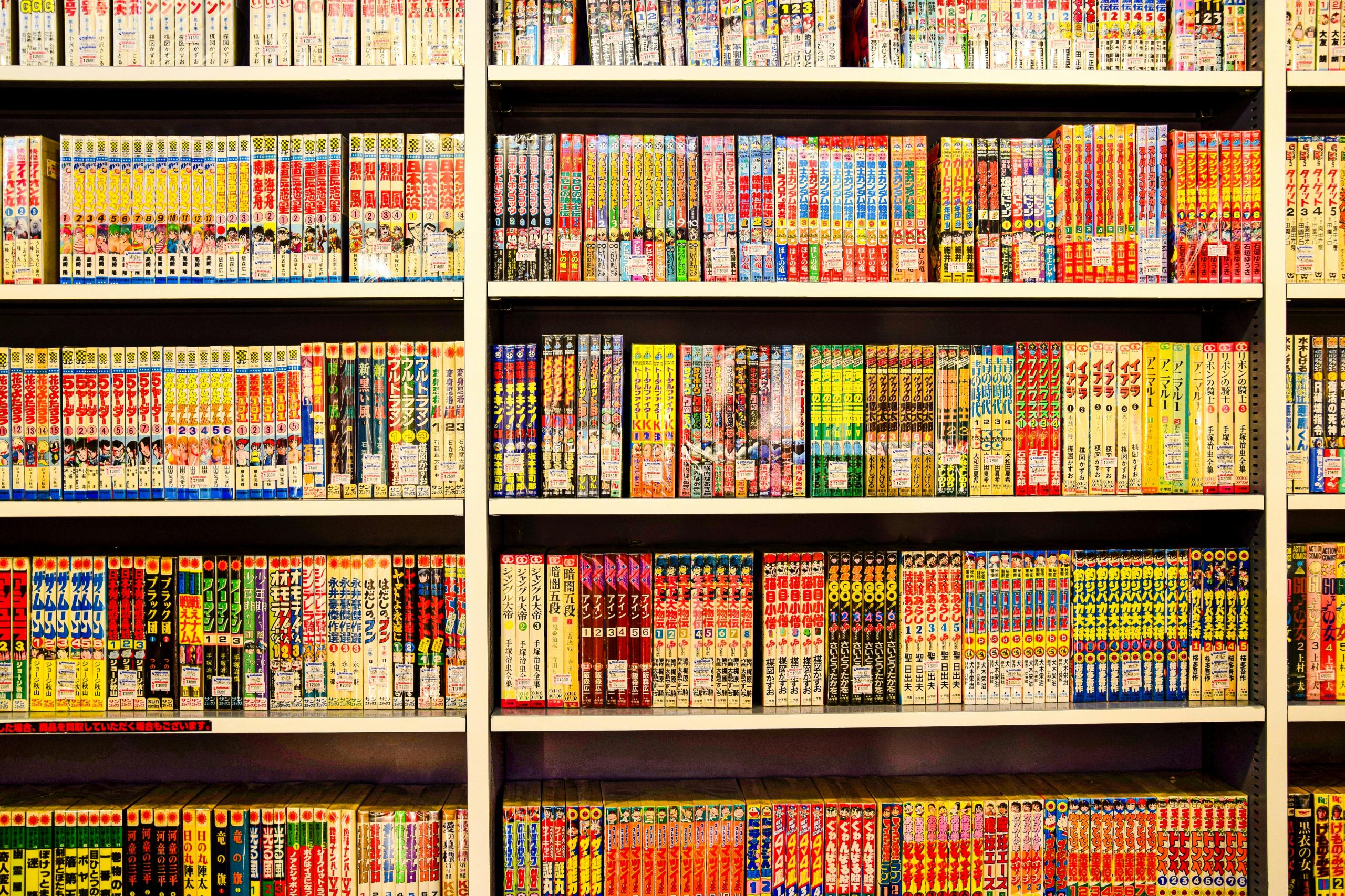
If you’ve ever watched an anime and thought, “I wonder what happens next,” or caught yourself admiring the distinctive art style of Japanese comics in a bookstore, you’ve encountered the world of manga.
This art form has evolved from ancient Japanese scrolls to a global entertainment powerhouse worth over 200 billion yen annually, captivating readers across every continent with stories ranging from high-school romance to epic fantasy adventures.
Manga isn’t just comics from Japan; it’s a unique storytelling medium with its own visual language, cultural significance, and devoted worldwide community. Whether you’re completely new to manga or you’ve been curious about diving deeper into this fascinating world, this guide will walk you through everything you need to understand this incredible art form.
We’ll explore what makes manga special, how it developed over centuries, how it differs from other comics traditions, and introduce you to the major types and genres that have captured millions of readers’ imaginations.
What Exactly Is Manga?
At its simplest, manga means “comics” or “graphic novels” from Japan. The word itself combines two Japanese characters: “man” (meaning whimsical or impromptu) and “ga” (meaning pictures or drawings). So literally, manga translates to something like “whimsical pictures” or “random drawings,” though there’s nothing random about the sophisticated storytelling you’ll find in modern manga.
But manga is more than just “Japanese comics.” It represents a distinct approach to sequential art that sets it apart from comic traditions elsewhere in the world. When you pick up a manga volume, you’ll immediately notice several unique characteristics that define the medium.
The Distinctive Features of Manga
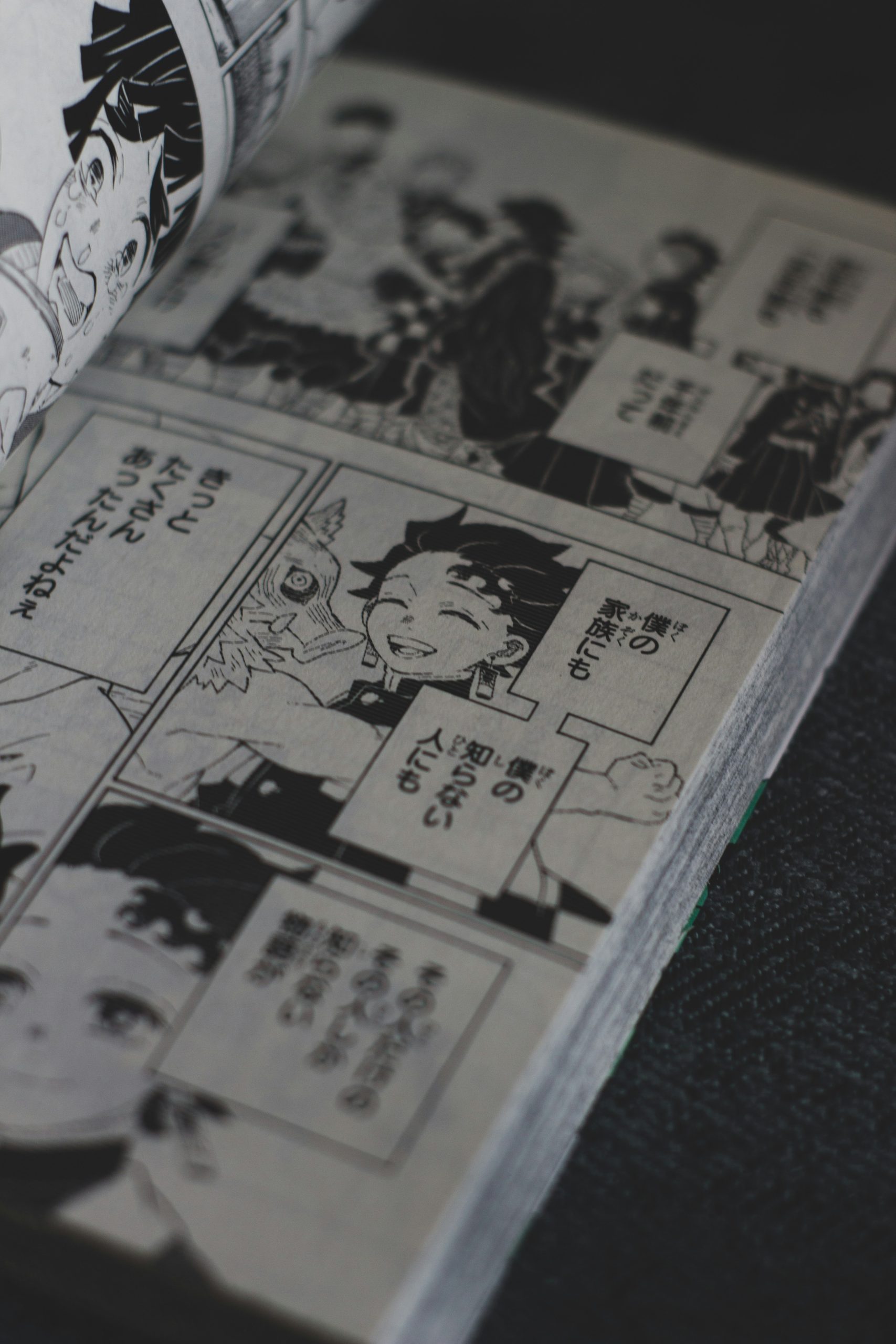
Reading Direction: The most immediately noticeable difference is how to read manga, which reads right-to-left, back-to-front, the opposite direction from Western books. This isn’t just to be different; it preserves the original Japanese reading direction.
When you open a manga volume, you start at what Western readers would consider the “back” of the book, and the panels within each page also flow from right to left.
Don’t worry, most English manga editions include helpful diagrams showing you exactly how to read, and you’ll get the hang of it within a few pages.
Visual Style: While manga encompasses countless artistic styles, certain visual conventions appear consistently. Most manga is printed in black and white (color pages are special treats, usually reserved for chapter openings or special editions).
Artists use distinctive techniques like speed lines to show motion, specific symbols to convey emotions (sweat drops for nervousness, vein bulges for anger), and dramatic panel layouts that control pacing in ways unique to the medium.
Serialized Format: Unlike Western graphic novels often published as complete books, most manga start as serialized chapters in magazines, typically weekly or monthly publications. These chapters are later collected into bound volumes called tankōbon.
This serialization model means manga stories can run for years or even decades, allowing for incredibly deep character development and complex, long-form narratives.
Demographic Targeting: Perhaps most surprisingly for Western readers, manga publishers explicitly target different demographics with specific magazine lines. There are comics for young boys, teenage girls, adult men, adult women, and children, each with appropriate content, themes, and artistic approaches.
This isn’t about limiting who can read what; it’s about creating content that resonates with specific audiences while allowing everyone to explore whatever interests them.
The Journey from Ancient Scrolls to Global Phenomenon
The story of manga begins centuries before anyone used the word. In the 12th and 13th century Japan, Buddhist monks created the Chōjū-jinbutsu-giga scrolls, often called “the first manga.” These scrolls depicted animals engaging in human activities like wrestling and dancing, using sequential images to tell humorous stories.
While these weren’t manga in the modern sense, they established a tradition of visual storytelling in Japanese culture.
During the Edo period (1603-1867), woodblock print artists created sequential narratives and satirical images that continued this tradition. Artists like Hokusai (famous for “The Great Wave”) even used the term “manga” to describe his random sketches. These weren’t sequential stories yet, but they contributed to a visual culture that would eventually birth modern manga.
The Birth of Modern Manga: Osamu Tezuka’s Revolution
Modern manga as we know it emerged from the ashes of World War II, and one man stands as its primary architect: Osamu Tezuka, often called the “God of Manga.” In the late 1940s and 1950s, Tezuka revolutionized Japanese comics by borrowing cinematic techniques and applying them to sequential art.
His groundbreaking work “Astro Boy” (Tetsuwan Atom) introduced dynamic panel layouts, varied shot angles (close-ups, wide shots, dramatic perspectives), and motion lines that made the art feel alive and kinetic. Before Tezuka, Japanese comics were relatively static and simple. After Tezuka, manga became a sophisticated storytelling medium capable of conveying complex emotions, fast-paced action, and nuanced narratives.
Tezuka’s influence can’t be overstated. He established many of the visual conventions still used today, proved that comics could tell serious, literary stories (his “Buddha” series explored philosophy and religion), and inspired virtually every major manga creator who came after him.
If you’re familiar with the distinctive “big eyes” in manga and anime, that started with Tezuka, who was inspired by Disney animation.
The Golden Age: Genres and Magazines Flourish
The 1960s through 1980s represented manga’s golden age in Japan. During this period, the medium exploded in popularity and diversity. Weekly Shōnen Jump launched in 1968, becoming the best-selling manga magazine in history and home to countless classics. Other magazines proliferated, each targeting specific demographics and genres.
This era saw the establishment of shōnen manga (boys’ comics) as a dominant force with action-packed series teaching values like friendship, perseverance, and never giving up. Simultaneously, shōjo manga (girls’ comics) developed its own sophisticated visual language, with pioneering female artists creating complex emotional narratives and distinctive artistic styles featuring flowers, sparkles, and innovative panel layouts.
The gekiga movement also emerged, creating more serious, realistic manga for adult readers. These “dramatic pictures” dealt with mature themes, used more realistic art styles, and proved manga wasn’t just children’s entertainment.
This diversification meant that by the 1980s, Japanese people of all ages read manga regularly, on trains, in cafes, and at home, making it a fundamental part of Japanese culture.
Going Global: Manga Conquers the World
For decades, manga remained primarily a Japanese phenomenon. That changed in the 1990s and early 2000s when several factors converged to bring manga to global audiences.
First, anime adaptations of popular manga began airing internationally. Shows like “Dragon Ball,” “Sailor Moon,” and “Pokémon” captured audiences worldwide, and many fans sought out the original manga to continue the stories.
Second, publishers like Viz Media began professionally translating and releasing manga in English and other languages, making it legally accessible outside Japan.
The early 2000s saw manga explode in Western bookstores. Teenagers discovered series like “Naruto,” “Bleach,” and “One Piece,” driving unprecedented sales. Barnes & Noble expanded their manga sections. Library systems began stocking manga. Specialty shops dedicated entirely to manga and anime merchandise opened in major cities worldwide.
Initially, English publishers “flipped” manga, mirroring the art so it read left-to-right like Western books.
However, fans protested this practice, arguing it compromised the artist’s original vision and could confuse action sequences. Publishers listened, and by the mid-2000s, most English manga preserved the original right-to-left format with a simple guide teaching readers the Japanese reading direction.
The Digital Revolution: Manga in the Modern Era
The 2010s brought digital distribution, fundamentally changing how people discover and consume manga. Japanese publishers created apps and websites offering manga digitally, often with simultaneous worldwide releases.
Services like Shonen Jump’s digital subscription launched, offering hundreds of series for just $1.99 monthly. Crunchyroll expanded into manga. Amazon’s Comixology platform made digital manga purchases easy.
The COVID-19 pandemic accelerated these trends dramatically. With physical bookstores closed and people seeking entertainment at home, manga sales surged. Series like “Demon Slayer: Kimetsu no Yaiba” broke sales records that had stood for decades. Publishers couldn’t print volumes fast enough to meet demand.
Today, manga stands as a truly global medium. It’s studied in universities, exhibited in major museums, and influences artists worldwide. The question is no longer whether someone has heard of manga, but rather which series they’re currently reading.
Manga vs. Other Comic Traditions: What Makes It Different?
Understanding manga means understanding how it relates to other comic traditions worldwide.
Manga vs. Manhwa vs. Manhua: East Asian Comics
Manhwa (Korean comics) has distinguished itself with webtoons, comics designed for digital vertical scrolling on smartphones. While manga maintains traditional page layouts, manhwa embraces mobile-first design. Manhwa also tends to favor color artwork, whereas manga remains predominantly black and white.
Manhua encompasses comics from China, Taiwan, and Hong Kong, each with distinct characteristics. Manhua reads in various directions depending on origin; some right-to-left like manga, others left-to-right like Western comics.
The key distinction remains cultural. Manga reflects Japanese storytelling sensibilities, cultural references, and aesthetic preferences. Manhwa and manhua reflect their respective cultures, making each tradition unique despite surface similarities.
Manga vs. Western Comics: Different Philosophies
Authorship: Western superhero comics typically feature publisher-owned characters (Marvel, DC) with different creators over decades. Manga typically has a single creator (mangaka) who owns the characters and controls the story from beginning to end. “One Piece” has been written by Eiichiro Oda since 1997, with one vision throughout.
Publication Model: American comics traditionally release monthly issues. Manga’s weekly magazine serialization creates intense production schedules but allows stories to respond to reader feedback and maintain momentum.
Visual Approach: Western comics typically use color with left-to-right reading. Manga’s black and white artwork allows intricate detail and faster production. Manga panels often break borders and use the entire page to control pacing.
Content Range: Western comics were long dominated by superheroes. Manga covers every genre, romance, horror, sports, cooking, music, historical drama, workplace comedy, and slice-of-life, with something for every taste and age.
Length and Scope: A successful Western comic might run 50-100 issues. A successful manga can run 20+ years with 500+ chapters. “One Piece” has over 1,000 chapters, allowing character development and plot complexity difficult to achieve in shorter formats.
Understanding Manga Demographics: Who Reads What?
One of manga’s most distinctive features is its explicit demographic categorization. Understanding these categories helps you find manga that matches your interests and maturity level.
Shōnen: The Power of Friendship and Perseverance
Shōnen manga targets boys roughly ages 8-18, though its appeal extends far beyond this demographic. These are the action-packed series that have conquered the world: “Dragon Ball,” “Naruto,” “One Piece,” “My Hero Academia,” and “Demon Slayer.”
Shōnen manga typically centers on young male protagonists pursuing ambitious goals, becoming the strongest fighter, the greatest ninja, or the pirate king. These stories emphasize friendship, hard work, never giving up despite impossible odds, and protecting those you care about.
Action sequences are dynamic and frequent. Humor balances intense battles. Tournament arcs where characters face increasingly powerful opponents are common.
The best shōnen manga combines exciting action with genuine emotional depth and character growth. “Naruto” is as much about a lonely outcast finding acceptance as it is about ninja battles. “My Hero Academia” explores what it means to be a hero in a society where superpowers are common.
Shōjo: Emotions, Relationships, and Transformation
Shōjo manga targets girls roughly ages 8-18, featuring distinctive artistic styles and narrative focuses. While often stereotyped as “just romance,” shōjo encompasses far more: magical girls, historical drama, comedy, and complex emotional journeys.
Visually, shōjo manga is immediately recognizable. Panels might be decorated with flowers, sparkles, or abstract patterns reflecting characters’ emotions. Eyes are especially expressive. Panel layouts are often more experimental than shōnen, with overlapping images and fragmented scenes reflecting the internal emotional landscape.
Classic shōjo series like “Sailor Moon” combined romance with superhero action, creating the magical girl genre that remains popular decades later. “Fruits Basket” used supernatural elements to explore trauma, acceptance, and healing. “Ouran High School Host Club” delivered comedy while examining class, gender roles, and identity.
Romance in shōjo manga ranges from innocent first crushes to mature relationship explorations. The focus is typically on emotional communication, character dynamics, and personal growth rather than physical action.
Male characters in shōjo often fit specific archetypes: the cool intellectual, the energetic friend, the mysterious loner, allowing readers to explore different relationship dynamics.
Seinen: Manga Grows Up
Seinen manga targets young adult men (roughly ages 18-40) and represents manga’s most diverse category. Without the constraints of younger audiences, seinen explores mature themes with sophisticated storytelling and often more realistic artwork.
Some seinen manga features extreme violence, sexuality, and dark themes. “Berserk’s” medieval fantasy world is brutal and unforgiving. “Tokyo Ghoul” presents body horror and existential questions; “Gantz” combines science fiction with graphic violence. But seinen isn’t defined by mature content alone.
“March Comes in Like a Lion” is a seinen manga about a teenage professional shogi (Japanese chess) player dealing with depression and finding connection, mature themes handled sensitively with minimal violence. “Space Brothers” follows two adult brothers pursuing their childhood dream of becoming astronauts, inspiring and heartwarming. “The Way of the Househusband” is a comedy about a retired yakuza becoming a homemaker.
Seinen manga often examines psychological complexity, moral ambiguity, and realistic adult situations, workplace dynamics, parenthood, financial stress, and existential questions. The art can range from hyper-realistic to abstract and experimental.
Josei: Women’s Stories, Women’s Voices
Josei manga targets adult women (roughly ages 18-40) and emerged as women creators, and readers demanded manga reflecting their actual experiences rather than idealized fantasies. While shōjo presents romance through a teenage lens, josei explores relationships, career challenges, and life decisions with mature realism.
“Nana” follows two young women, both named Nana, navigating Tokyo, relationships, and their dreams, one a punk musician, the other seeking love and stability. It’s emotionally raw, dealing with complicated relationships, career struggles, and the painful reality that wanting something doesn’t guarantee getting it.
Josei romance tends toward realistic relationship dynamics, communication problems, compatibility questions, and long-term commitment considerations. Workplace dynamics feature prominently, as many josei protagonists are working professionals juggling career ambitions with personal life.
The art style in josei is typically more subdued than shōjo, with fewer sparkles and flowers, more realistic character designs, and settings. But emotional expressiveness remains central, just conveyed through different visual techniques.
Kodomo: Where Many Journeys Begin
Kodomo manga targets young children with simple stories, clear morals, and accessible art. Series like “Doraemon” (about a robotic cat from the future helping a boy with everyday problems) have run for decades, entertaining multiple generations.
These manga often combine education with entertainment, teaching about science, history, or social values through engaging stories. The art is typically bright, clean, and easy for young readers to follow.
While many Western readers discover manga as teenagers or adults, in Japan, kodomo manga represents most people’s introduction to the medium, creating lifelong reading habits.
Popular Genres: A World of Stories
Beyond demographic categories, manga encompasses every genre imaginable. Each has developed its own conventions and devoted fanbases.
Action and Adventure: Never-Ending Battles
Action manga delivers fights, battles, and tournaments, driving plots forward. “Dragon Ball” created the template, warriors pursuing strength, increasingly powerful opponents, and protagonists overcoming impossible odds. “One Piece” combines action with adventure and exploration. “Attack on Titan” uses action as commentary on war and freedom.
Fantasy and Isekai: Escaping to Other Worlds
Fantasy manga has exploded recently, particularly isekai where protagonists are transported to fantasy worlds. “Sword Art Online” trapped players in virtual reality. “Re: Zero” sends its protagonist to a fantasy world with time-reset abilities. “That Time I Got Reincarnated as a Slime” has the protagonist reborn as a fantasy monster. Traditional fantasy remains popular too, from “The Ancient Magus’ Bride” to “Magi.”
Science Fiction and Sports
Science fiction explores futuristic technology and humanity’s meaning. The mecha subgenre features giant robots, from “Mobile Suit Gundam” to “Neon Genesis Evangelion.” Cyberpunk appears in “Akira” and “Ghost in the Shell.”
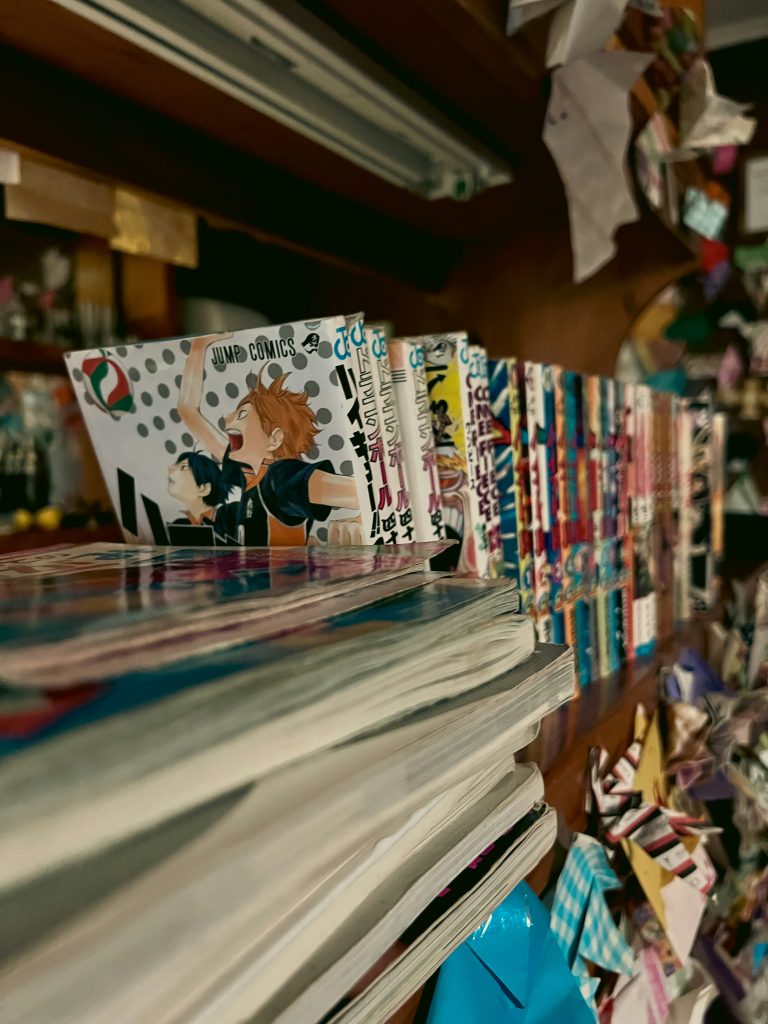
Sports manga examines competition psychology and teamwork. “Slam Dunk” revolutionized basketball’s popularity in Japan. “Haikyuu!!” made volleyball compelling even for non-fans. These prove that great characters and storytelling make any subject engaging.
Slice of Life: Finding Beauty in the Ordinary
Slice of life focuses on everyday experiences, finding meaning in the mundane. “Yotsuba&!” follows a curious five-year-old discovering the world. “Barakamon” features a calligrapher finding healing in a rural community. These manga remind readers that ordinary life contains profound moments worth celebrating.
Horror: Where Manga Gets Dark
Horror manga represents one of manga’s most distinctive genres. Creators like Junji Ito achieve cult status worldwide. Manga’s black and white artwork creates stark, unsettling imagery perfect for horror. Japanese horror emphasizes psychological unease and lingering dread over jump scares. Ito’s “Uzumaki” explores a town’s spiral obsession, becoming nightmarish. “Tomie” features an immortal woman driving those around her to madness.
Horror manga deserves its own comprehensive article, which we’ll provide, examining the genre’s unique approaches and unforgettable works.
Mystery, Psychological Thrillers, and Romance
Mystery ranges from detective stories to psychological thrillers. “Death Note” became a phenomenon through its intellectual cat-and-mouse game. “Monster” follows a surgeon drawn into murder and conspiracy. “Detective Conan” has run for decades, solving mysteries.
Romance appears across all demographics. High school romance like “Kimi ni Todoke” follows shy characters finding love. Adult romance in josei addresses realistic relationship challenges.
We’ll explore romance comprehensively in a future article, covering its evolution, subgenres, and influential titles across demographics.
Where Manga Goes From Here: Future Explorations
This guide provides your foundation for understanding manga, what it is, where it came from, how it differs from other comics, and the major demographic categories and genres that shape the medium. But we’ve only scratched the surface.
In upcoming articles, we’ll dive deep into specific genres and demographics:
- Shōnen Manga Explored: The conventions, evolution, and greatest series in boys’ manga
- Romance Manga Guide: From innocent first love to mature relationships across all demographics
- Horror Manga Deep Dive: Japanese horror’s unique approaches and most influential creators
- Seinen Manga Examined: Mature storytelling and the diversity of adult manga
- Shōjo Evolution: How girls’ manga developed its distinctive voice and artistic style
Each of these topics deserves comprehensive exploration, and we’re excited to guide you deeper into the manga world.
Getting Started: Your First Steps Into Manga
If you’re new to manga and wondering where to begin, here’s practical advice:
Start with what you already like. If you enjoyed an anime, try the manga. If you love mystery novels, try mystery manga. Manga covers every genre, so there’s definitely something matching your interests.
Try beginner-friendly titles. “My Hero Academia” offers exciting superhero action. “Spy x Family” combines comedy, action, and family dynamics. “A Silent Voice” delivers emotional drama about bullying and redemption. “Yotsuba&!” provides gentle slice-of-life.
Don’t worry about the reading direction. Right-to-left feels weird initially, but your brain adapts within chapters. Most English manga include a reading guide.
Use legal platforms. Shonen Jump’s digital subscription offers hundreds of series for $1.99 monthly. Your local library likely has manga collections.
Join the community. Manga fans are welcoming and eager to share recommendations. r/manga on Reddit, MyAnimeList forums, and Discord servers offer friendly spaces to discuss series and get recommendations.
Conclusion: A Medium Without Limits
Manga stands as one of the world’s most diverse, creative, and accessible storytelling mediums. From ancient Japanese scrolls to Osamu Tezuka’s revolutionary techniques to today’s global digital distribution, manga has continuously evolved while maintaining its distinctive character.
What makes manga special isn’t just the right-to-left reading or distinctive art; it’s the sheer breadth of stories available. Epic adventures spanning decades, intimate character studies about ordinary people, genuine horror, heartwarming romance, manga delivers it all.
The demographics system means there’s literally manga for everyone. The genre diversity ensures that whatever you’re interested in, manga explores it comprehensively.
As manga continues spreading globally, more readers discover what Japanese audiences have known for generations: comics can tell any story as effectively as any other medium. Manga is literature, art, entertainment, and a window into different cultural perspectives and universal human experiences.
Your journey starts with a single page, and that page reads from right to left.
What does manga mean?
Manga refers to Japanese comic books or graphic novels. The word comes from Japanese and roughly translates to “whimsical pictures.” Manga covers a wide range of genres—from action and romance to horror and fantasy—and is typically read from right to left.
What are the 10 most popular manga?
Some of the most popular and widely recognized manga series include:
- One Piece
- Naruto
- Dragon Ball
- Attack on Titan
- Demon Slayer: Kimetsu no Yaiba
- Death Note
- My Hero Academia
- Jujutsu Kaisen
- Bleach
- Fullmetal Alchemist
These titles are popular globally and have influenced anime, movies, and pop culture.
Is manga still a book?
Yes, manga is still considered a type of book, specifically a graphic novel or comic format. While it uses illustrations alongside text, it is published in volumes just like traditional books and can be read in print or digital formats.
What’s “read manga”?
“Read manga” simply refers to the act of reading manga, whether in physical form or online through digital platforms. It’s also a common search term people use when looking for websites or apps to access manga content.










Related Posts

Stay Informed With the Latest & Most Important News
Previous Post
Next Post









Advertisement