Now Reading: Horror Manga: The Ultimate Guide to the Best Scary Manga and Where to Start
-
01
Horror Manga: The Ultimate Guide to the Best Scary Manga and Where to Start
Horror Manga: The Ultimate Guide to the Best Scary Manga and Where to Start

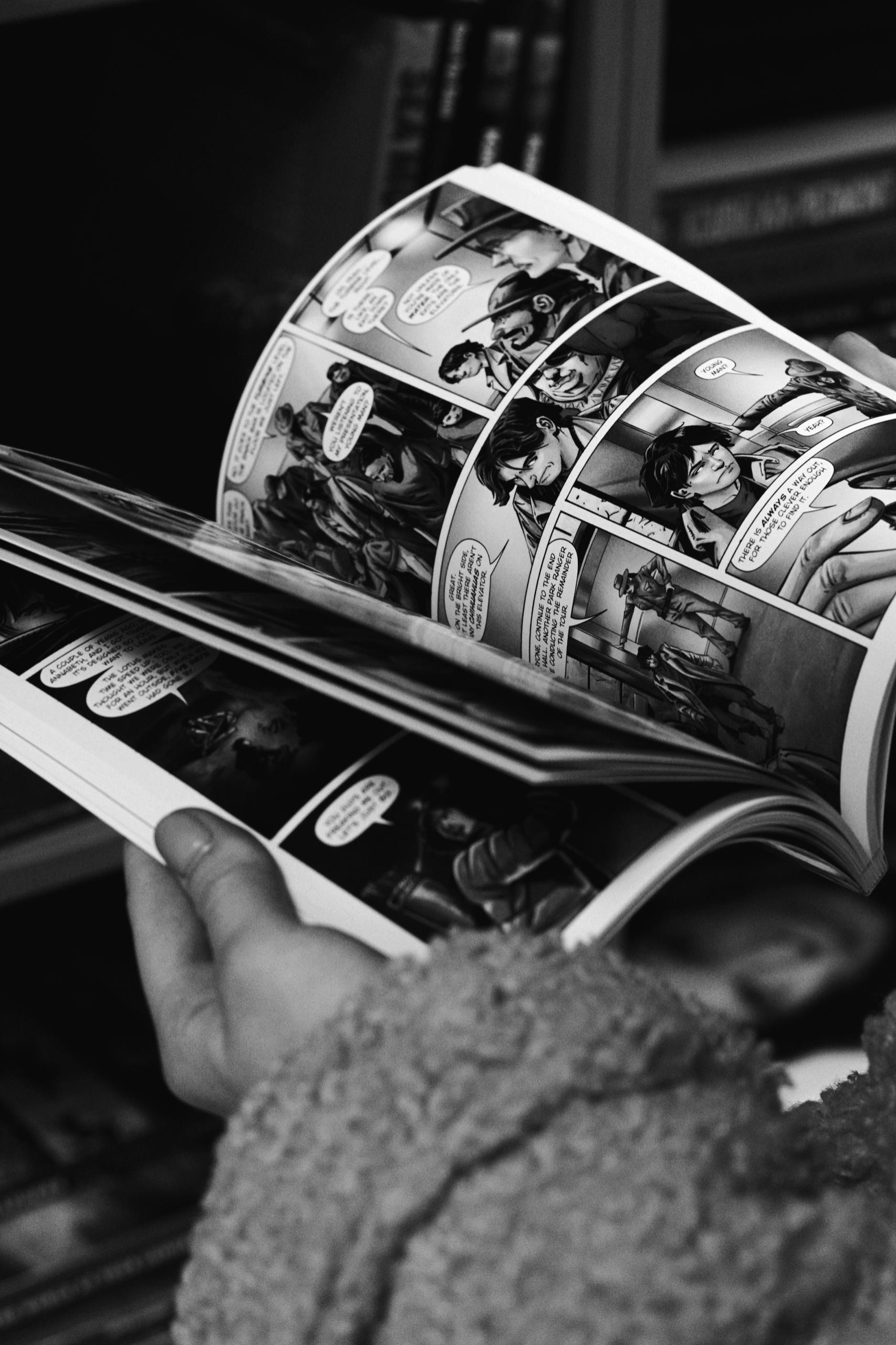
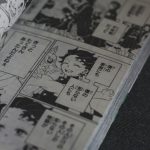
Horror manga has a unique way of capturing fear that’s different from movies, novels, or Western comics. It combines visual storytelling, pacing, and suspense to create an experience that can linger long after you close the book. The art style, panel layout, and timing of reveals all work together to immerse readers in a world of tension and dread.
What makes horror manga especially captivating is its ability to explore psychological and supernatural fears. Unlike movies, where sound and movement carry much of the tension, manga relies on still images, shadows, and panel composition to trigger the imagination. Your mind fills in the gaps, often making the story feel even scarier.
The genre also blends cultural influences, from traditional Japanese folklore to modern urban legends. This gives horror manga a distinctive flavor, mixing eerie suspense, grotesque imagery, and thought-provoking themes that go beyond simple jump scares.
For both newcomers and seasoned readers, horror manga offers a rich and unique reading experience. In the next section, we’ll dive into what horror manga actually is and explore the themes that make it so compelling.
What Is Horror Manga?
Horror manga is a genre of Japanese comics that focuses on fear, suspense, and the macabre. Unlike other manga genres that emphasize action, romance, or comedy, horror manga aims to evoke feelings of dread, tension, or shock through both storytelling and artwork.
The genre often explores several key themes:
- Psychological fear – Stories that play with the mind, creating tension and unease.
- Supernatural elements – Ghosts, curses, demons, and otherworldly forces that threaten characters.
- Body horror – Disturbing transformations, injuries, or grotesque visuals that shock the reader.
- Survival and suspense – Characters facing life-or-death situations or terrifying mysteries.
What sets horror manga apart is the way it uses visual storytelling. Artists manipulate panel layouts, pacing, and imagery to create suspense and guide the reader’s emotions. Shadows, close-ups, and empty spaces are often used to make scenes more unsettling.
While some horror manga lean heavily into gore and shock, others focus on psychological tension or supernatural mystery. This diversity allows readers to choose stories that match their taste and tolerance for fear.
Types of Horror Manga
Horror manga comes in several distinct subgenres, each creating fear in different ways. Understanding these types helps you choose stories that match your interests and tolerance for horror.
Psychological Horror
Psychological horror focuses on the mind and emotions. These stories often explore paranoia, obsession, or fear of the unknown. Suspense builds slowly, and tension comes from what the reader imagines rather than explicit visuals.
Examples include mind-bending plots or characters struggling with their own sanity.
Supernatural Horror
Supernatural horror involves ghosts, curses, demons, or otherworldly forces. These stories often draw on folklore or urban legends, blending mystery and fear. Characters may face spirits, haunted locations, or inexplicable phenomena that threaten their lives or sanity.
Gore / Body Horror
Gore or body horror emphasizes graphic and shocking visuals, often featuring injuries, mutations, or grotesque transformations.
These manga aim to provoke a visceral reaction, combining fear with fascination at the limits of the human body.
Survival Horror
Survival horror places characters in life-or-death situations, where fear comes from danger and the struggle to stay alive.
This type often involves monsters, disasters, or deadly games, focusing on suspense and the tension of seeing who survives.
Each subgenre creates fear differently; some rely on tension and suggestion, while others shock or disturb with visual intensity. Knowing these types can help beginners start with manga that suits their comfort level.
In the next section, we’ll highlight the best horror manga to read, from beginner-friendly titles to classics that have defined the genre.
Best Horror Manga to Read (Beginner to Advanced)
Whether you’re new to horror manga or a seasoned reader looking for your next scare, there are titles suited to every level of experience. Here’s a guide to some of the most engaging and accessible horror manga.
Beginner-Friendly Horror Manga
For those just starting, it’s best to begin with stories that balance suspense with readability:
- Death Note – A psychological thriller that mixes mystery and tension without overwhelming gore.
- Tokyo Ghoul – Combines supernatural horror with an accessible storyline and character-driven suspense.
Must-Read Horror Manga Classics
These titles are iconic and have defined horror manga over the years:
- Uzumaki – A masterclass in body horror and creeping dread, showcasing Junji Ito’s unique style.
- Tomie – Follows the mysterious and deadly Tomie, blending psychological horror with supernatural elements.
- The Drifting Classroom – A suspenseful survival horror story featuring children trapped in a post-apocalyptic world.
Modern Horror Manga Hits
These recent titles have captured the attention of a new generation of readers:
- Jujutsu Kaisen – Combines supernatural horror with action, delivering a thrilling and visually engaging experience.
- Chainsaw Man – A dark, graphic horror story with unpredictable twists and intense action sequences.
Starting with beginner-friendly manga helps you get accustomed to horror storytelling, panel flow, and pacing. Once comfortable, you can explore classics and modern hits to experience the full range of fear that horror manga offers.
Next, we’ll cover famous horror manga artists and how their unique styles shape the genre.
Famous Horror Manga Artists
Horror manga owes much of its impact to the creativity and vision of its artists. These creators have developed styles that make readers feel fear, suspense, and unease with every panel.
Junji Ito
Junji Ito is widely regarded as the master of modern horror manga. His works, such as Uzumaki and Tomie, are known for their detailed, grotesque imagery and the ability to evoke psychological terror. Ito often combines ordinary settings with surreal and disturbing elements, making the horror feel uncomfortably close to reality.
Kazuo Umezu
Kazuo Umezu is another legendary figure, often credited with popularising horror manga in the 1960s and 70s. His stories, like The Drifting Classroom, blend surreal visuals with suspenseful narratives, influencing generations of manga artists.
Other Notable Artists
- Hideshi Hino – Known for graphic and shocking body horror.
- Suehiro Maruo – Famous for his ero-guro (erotic-grotesque) style, combining beauty and horror.
These artists demonstrate the diverse approaches to horror in manga. Some rely on psychological tension, others on shocking visuals, but all share a talent for manipulating the reader’s emotions and keeping them on edge.
In the next section, we’ll explore why horror manga feels different from Western horror, highlighting what makes the Japanese approach uniquely unsettling.
Why Horror Manga Feels Different from Western Horror
Horror manga offers a reading experience that is distinct from Western comics or horror films, and this uniqueness comes from the way stories are visualised, paced, and structured.
Visual Pacing
Manga artists control suspense through panel layout, spacing, and timing. Unlike movies, where music and movement create tension, manga uses still images and empty spaces to let the reader’s imagination fill in the gaps. This slow-building tension often makes the fear feel more personal and lingering.
Psychological Depth
Many horror manga focus on internal fears, paranoia, and moral dilemmas, rather than relying solely on gore or jump scares. This allows readers to engage with characters’ emotions and fears, creating a more immersive experience.
Cultural Elements
Japanese horror often draws on folklore, legends, and societal anxieties. Ghosts, curses, and supernatural phenomena are common, giving horror manga a flavour and style that Western horror rarely replicates.
Unique Storytelling Techniques
- Panel composition – Artists use unusual angles and perspectives to disorient readers.
- Pacing control – Long sequences without dialogue or with repetitive imagery build suspense.
- Artistic detail – Subtle facial expressions, shadows, and textures heighten fear.
Together, these elements create a horror experience that is slow-burning, immersive, and visually striking, making manga a unique medium for fear and suspense.
Conclusion
Horror manga offers a reading experience like no other, blending psychological tension, supernatural elements, and striking visuals to create fear that stays with you long after the last page. From beginner-friendly titles like Death Note and Tokyo Ghoul to classic works by Junji Ito and Kazuo Umezu, there’s a horror story for every taste and comfort level.
Whether you’re drawn to subtle psychological horror, grotesque body horror, or high-stakes survival stories, the key is to start with approachable manga and gradually explore more intense titles. By understanding panel flow, pacing, and visual storytelling, you’ll be able to fully appreciate the artistry and suspense that make horror manga so compelling.
In the end, reading horror manga isn’t just about getting scared; it’s about experiencing a unique form of storytelling that combines imagination, emotion, and visual mastery, offering readers a thrill that’s both terrifying and unforgettable.









Related Posts
Stay Informed With the Latest & Most Important News
Previous Post
Next Post






Advertisement