Now Reading: Shonen Manga: The Ultimate Guide to Action, Adventure, and Coming-of-Age Stories
-
01
Shonen Manga: The Ultimate Guide to Action, Adventure, and Coming-of-Age Stories
Shonen Manga: The Ultimate Guide to Action, Adventure, and Coming-of-Age Stories

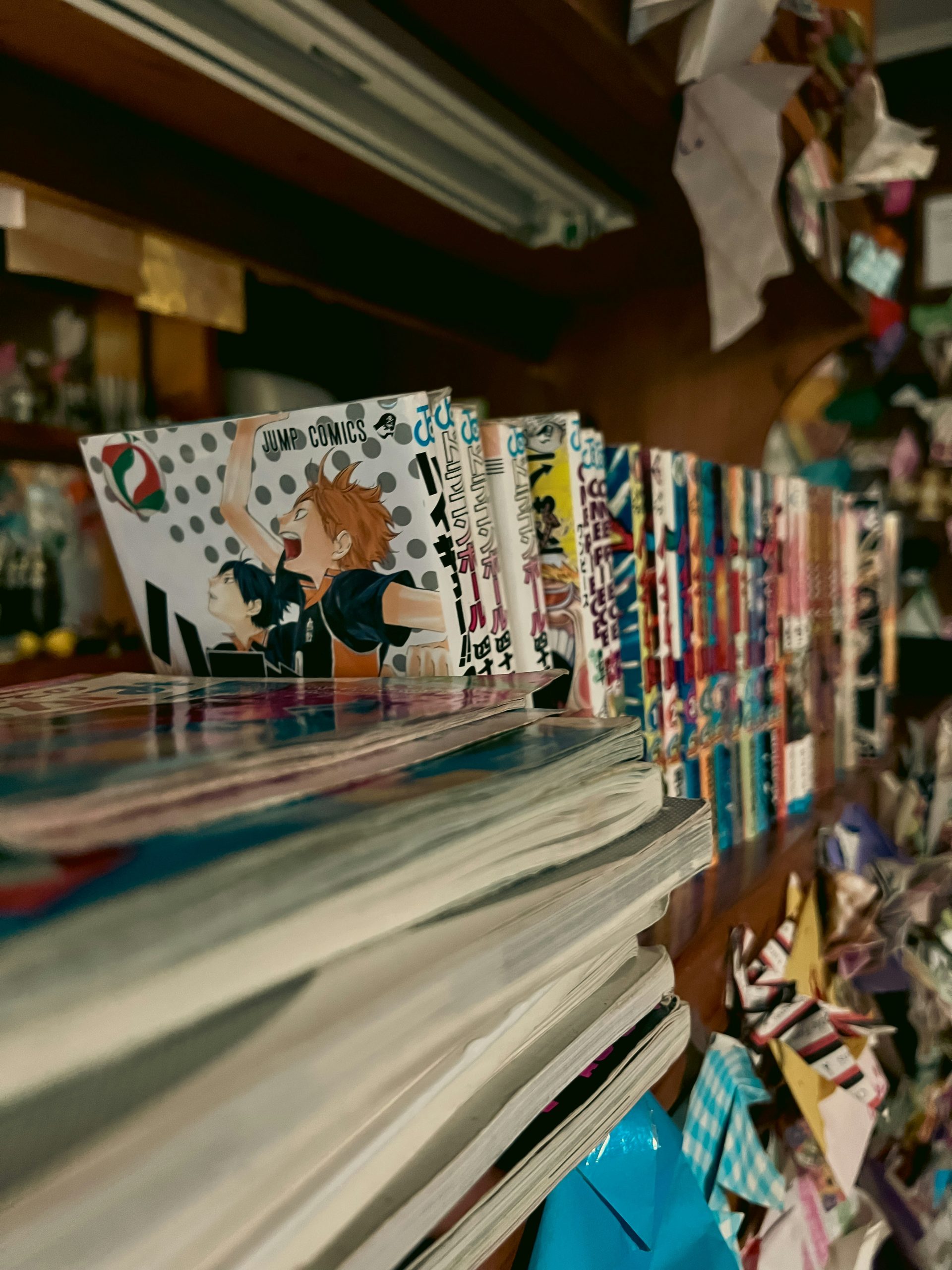
Shonen manga is one of the most widely recognized and beloved genres in Japanese comics, capturing the imagination of readers worldwide. Targeted primarily at teen boys, it emphasizes themes of friendship, adventure, and personal growth, making it both entertaining and inspirational.
What sets shonen apart is its energy and optimism. Stories often feature young protagonists facing challenges, training to overcome obstacles, or embarking on epic quests. Along the way, they form bonds with friends, learn important life lessons, and discover their potential.
This combination of action, humor, and heart makes shonen manga appealing not only to its target audience but also to readers of all ages.
Another key factor in shonen’s popularity is its diverse storytelling and accessibility. From sports battles to supernatural adventures, there’s a shonen series for nearly every interest. Its engaging characters, clear stakes, and fast-paced plots make it easy for new readers to jump in and feel invested.
In the next section, we’ll explore what exactly defines shonen manga, its key characteristics, and how it differs from other manga genres like seinen and shojo.
What Is Shonen Manga?
Shonen manga is a genre of Japanese comics primarily aimed at teenage boys, roughly between the ages of 12 and 18. Its stories are typically action-driven, featuring young protagonists who face challenges, grow through their experiences, and often strive to achieve ambitious goals.
Key characteristics of shonen manga include:
- Action and Adventure: Fast-paced plots with battles, quests, or competitions that keep readers engaged.
- Friendship and Teamwork: Strong emphasis on bonds between characters, highlighting loyalty, camaraderie, and collective effort.
- Humor and Light Moments: Even in high-stakes situations, shonen manga balances tension with comedic relief or quirky character interactions.
- Coming-of-Age Themes: Protagonists grow and develop as they overcome obstacles, reflecting universal lessons about perseverance, courage, and self-discovery.
Shonen manga is distinct from other genres like seinen, which targets adults with more mature and complex themes, or shojo, which often focuses on romance and emotional narratives for teenage girls. Its combination of exciting adventures, relatable characters, and positive messaging has made it a cornerstone of manga culture worldwide.
Next, we’ll dive into the common themes in shonen manga and why they resonate so strongly with readers.
Common Themes in Shonen Manga
Shonen manga is defined not just by its action-packed plots but also by the recurring themes that resonate with young readers. These themes create emotional investment and keep audiences coming back for each new chapter or volume.
Friendship and Teamwork
One of the most central themes in shonen is the power of friendship. Protagonists often rely on their friends or allies to overcome obstacles, emphasizing loyalty, trust, and teamwork. This theme reinforces the importance of collaboration and support in achieving goals.
Adventure and Action
Shonen manga frequently features high-stakes adventures and thrilling battles. From fantasy quests to sports tournaments, the genre thrives on excitement and challenges that test the characters’ abilities, courage, and determination.
Personal Growth and Perseverance
Many shonen stories focus on the coming-of-age journey. Characters face failures, setbacks, and moral dilemmas, learning resilience and perseverance along the way. Readers are inspired by protagonists who work hard to improve themselves and achieve their dreams.
Humor and Light-Hearted Moments
Even in intense situations, shonen manga often includes comedic relief. Funny side characters, playful banter, or absurd scenarios help balance tension and keep the story enjoyable for a younger audience.
These themes combine to create engaging, motivational, and entertaining stories that appeal to both the target demographic and fans worldwide.
Popular Shonen Manga Titles
Shonen manga has produced some of the most iconic and widely read series in the world. Whether you’re a beginner or a long-time fan, these titles are essential for understanding the genre’s appeal.
Classics Every Reader Should Know
- Dragon Ball – The ultimate adventure story, following Goku’s journey from childhood to a powerful hero, filled with battles, humor, and memorable characters.
- Naruto – Chronicles a young ninja’s journey to become the strongest in his village, emphasizing friendship, perseverance, and personal growth.
- One Piece – A high-seas adventure blending comedy, action, and heartfelt storytelling as Luffy and his crew seek the legendary treasure.
Modern Shonen Manga Hits
- My Hero Academia – Follows aspiring superheroes in a world of quirks and powers, focusing on heroism, teamwork, and moral challenges.
- Black Clover – A fantasy story about magic, rivalry, and relentless determination, with dynamic battles and strong character arcs.
- Jujutsu Kaisen – Combines supernatural action with horror elements and humor, creating an intense yet accessible reading experience.
Starting with these titles gives new readers a sense of shonen’s energy, themes, and storytelling style, while longtime fans can appreciate the evolution of the genre across decades.
Next, we’ll highlight the shonen manga artists whose creativity and vision have shaped these beloved stories.
Shonen Manga Artists You Should Know
The success of shonen manga owes much to the talent and vision of its artists, whose storytelling and artwork bring these dynamic stories to life. Knowing the creators behind the classics helps readers appreciate the artistry and creativity that define the genre.
Akira Toriyama
Akira Toriyama is the creator of Dragon Ball, a series that revolutionized action manga. Toriyama’s distinctive art style, inventive fight sequences, and memorable characters have made his work a global phenomenon.
Masashi Kishimoto
Masashi Kishimoto created Naruto, combining intricate world-building, character development, and epic battles. His storytelling emphasizes growth, friendship, and the moral complexities of a ninja world.
Eiichiro Oda
Eiichiro Oda is the mastermind behind One Piece, known for its imaginative world, long-running story arcs, and a perfect blend of humor, action, and emotional depth.
These artists illustrate how strong character design, imaginative worlds, and engaging plots are central to shonen manga’s enduring popularity.
Differences Between Shonen and Other Manga Genres
Having explored the key artists behind shonen manga, it’s clear that their creative vision shapes the genre’s unique style and storytelling. To fully appreciate shonen, it’s important to understand how it differs from other manga categories.
Shonen vs Seinen
- Target Audience: Shonen is aimed at teenage boys (roughly 12–18), while seinen targets adult men (18+).
- Themes and Tone: Shonen focuses on action, adventure, and coming-of-age stories with an optimistic tone, whereas seinen explores mature themes, psychological depth, and morally complex narratives.
Shonen vs Shojo
- Target Audience: Shojo is for teenage girls, often highlighting romance, emotions, and personal growth.
- Story Focus: Shonen emphasizes friendship, battles, and personal challenges; shojo emphasizes relationships, feelings, and character interactions.
Shonen vs Josei
- Target Audience: Josei targets adult women, often with realistic romance and life struggles.
- Story Style: While seinen and josei may share mature themes, shonen keeps stories energetic, optimistic, and adventure-driven.
Understanding these differences helps readers choose the right manga based on their preferences and age group, and highlights why shonen remains a globally beloved genre.
Conclusion
Shonen manga has earned its place as one of the most popular and influential genres in the world of Japanese comics. With its action-packed adventures, strong friendships, and inspiring coming-of-age stories, it continues to captivate readers of all ages.
From classics like Dragon Ball, Naruto, and One Piece to modern hits like My Hero Academia and Jujutsu Kaisen, shonen manga combines dynamic storytelling, memorable characters, and imaginative worlds that keep fans engaged chapter after chapter.
Whether you’re a new reader or a longtime fan, exploring shonen manga offers not only entertainment but also lessons in perseverance, teamwork, and personal growth. Its energy, optimism, and creativity make it a genre that continues to inspire and thrill audiences worldwide.
(FAQs)
What defines a shonen manga?
Shonen manga is a category of Japanese comics targeted primarily at teenage boys (roughly ages 12–18). It is defined by action-packed plots, adventurous storylines, coming-of-age themes, and strong bonds of friendship. Humor, personal growth, and high-stakes challenges are also central elements that make shonen engaging and motivational.
What are the Big 3 shonen anime?
The “Big 3” refers to three highly influential shonen series that defined the genre during the 2000s:
- Naruto
- Bleach
- One Piece
These series are celebrated for their long-running story arcs, memorable characters, and global popularity, shaping the modern shonen landscape.
Is Naruto shonen or seinen?
Naruto is shonen, aimed at teenage boys. It focuses on themes of friendship, perseverance, and personal growth through action-filled adventures and ninja battles. Unlike seinen, it maintains a generally optimistic tone and simpler moral conflicts suitable for younger audiences.
What are the 4 types of manga?
The four main types of manga, categorized by target demographic, are:
- Shonen – For teenage boys; action, adventure, coming-of-age stories.
- Shojo – For teenage girls; romance, emotions, and personal growth.
- Seinen – For adult men; mature themes, complex storytelling, psychological depth.
- Josei – For adult women; realistic relationships, work-life stories, and emotional drama.
These categories help readers choose manga based on age, interests, and preferred themes.










Related Posts

Stay Informed With the Latest & Most Important News
Previous Post
Next Post











Advertisement