Now Reading: How to Read Manga: A Beginner’s Guide to Understanding Manga Panels, Order, and Style
-
01
How to Read Manga: A Beginner’s Guide to Understanding Manga Panels, Order, and Style
How to Read Manga: A Beginner’s Guide to Understanding Manga Panels, Order, and Style

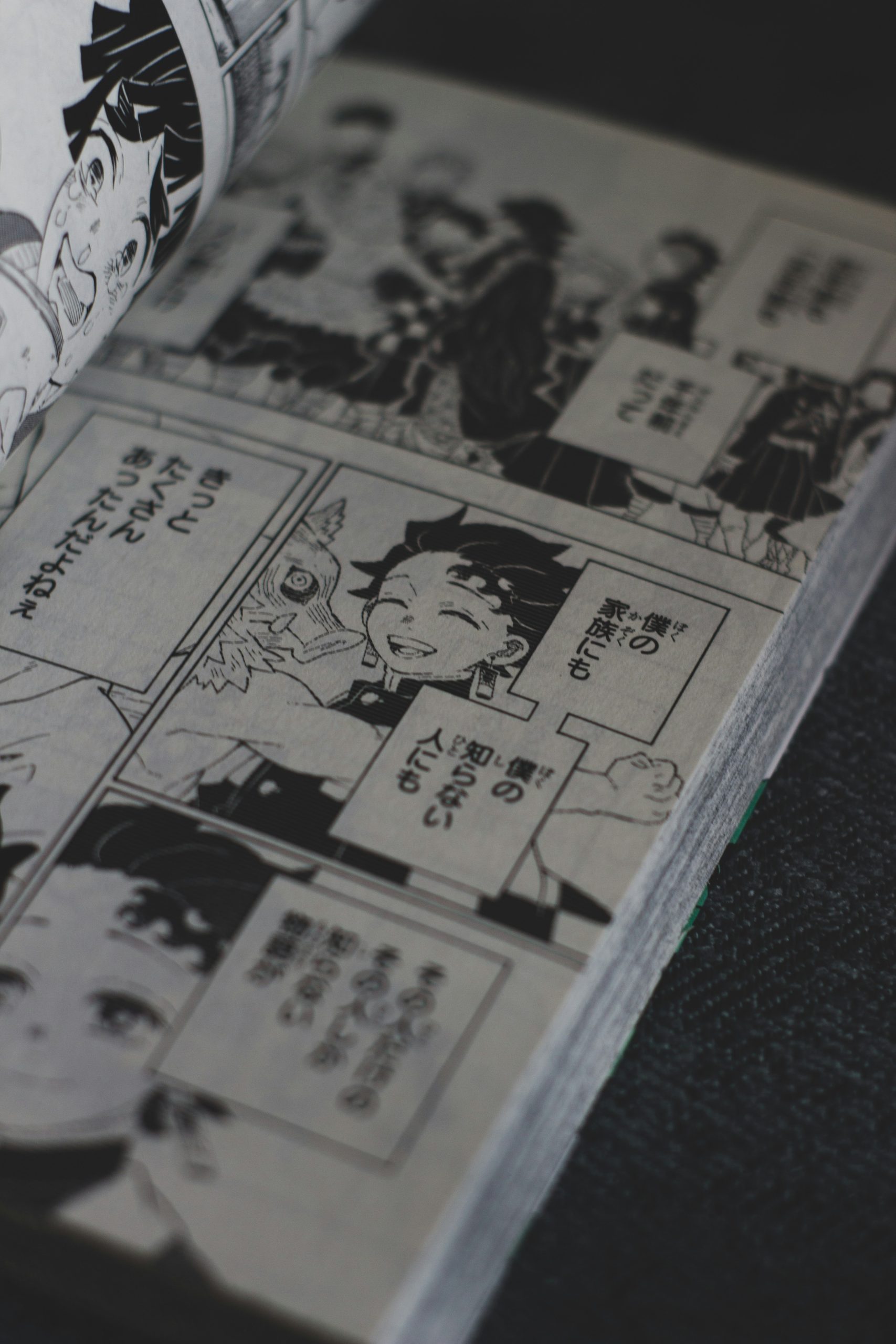
Reading from left to right, manga follows a right-to-left format, which can feel confusing at first.
This difference comes from its origins in Japan, where traditional reading direction is right to left. Rather than changing this format for global audiences, most manga keeps its original layout to preserve the artwork, panel flow, and storytelling style intended by the creator.
At first, this can make reading feel unnatural. You might find yourself starting on the wrong page, reading panels in the wrong order, or getting lost in dialogue. But this is completely normal. With just a little practice, your brain quickly adapts, and the reading flow starts to feel intuitive.
In fact, many readers find that once they get used to it, manga becomes even more engaging. The unique layout, combined with expressive artwork and dynamic paneling, creates a reading experience that’s different from both traditional books and Western comics.
In the next section, we’ll break down exactly how to read manga step by step, so you can follow any story with confidence.
How to Read Manga (Step-by-Step Guide)
Once you understand that manga is read differently, the next step is learning the actual reading flow. The good news is that it follows a consistent system; once you get it, you can read almost any manga easily.
Start From the Back of the Book
Manga begins where Western books usually end. What looks like the “back” cover is actually the front. You open the book from the right side and move toward the left as you read.
Read Panels From Right to Left
Inside each page, panels are arranged to be read from right to left and top to bottom. This means you start with the panel in the top-right corner, then move left across the page before going down to the next row.
Follow Speech Bubbles in Order
Within each panel, dialogue follows the same pattern. Read the rightmost speech bubble first, then move left. If there are multiple lines of text, read from top to bottom within each bubble.
Pay Attention to Visual Flow
Manga often uses visual cues, like character positioning, motion lines, and panel shapes, to guide your eyes naturally across the page. Even if a layout looks complex, these elements help you follow the correct order.
At first, you may need to slow down and double-check the direction, but after a few chapters, the flow becomes automatic. Once it clicks, reading manga feels just as natural as reading any other type of book.
Manga Layout Explained (Panels & Flow)
To read manga comfortably, it’s not just about knowing the direction—it’s about understanding how the layout guides your eyes across the page. Manga uses panels, spacing, and visual cues to control pacing and storytelling in a way that’s both structured and dynamic.
What Are Panels?
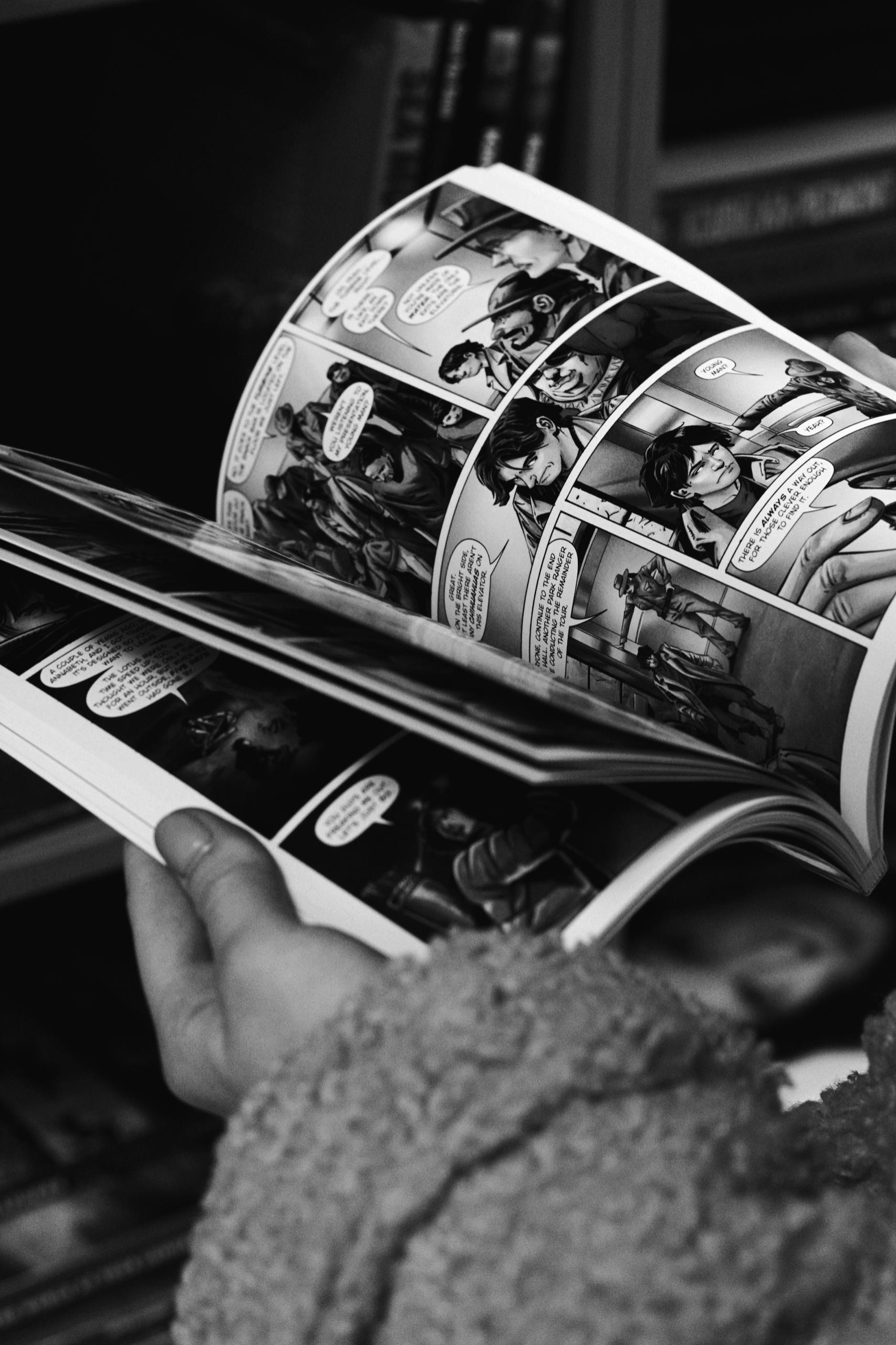
Panels are the individual boxes that divide a manga page into different scenes or moments. Each panel represents a piece of the story, whether it’s dialogue, action, or a character’s reaction.
Unlike traditional text, manga relies heavily on these panels to control how fast or slow you experience the story. Smaller panels may show quick actions, while larger panels often highlight important moments.
Panel Order and Direction
Just like the overall reading format, panels are read from right to left and top to bottom. You begin with the top-right panel, move left, then continue downward.
Even when layouts become more creative, most manga still follow this general flow. Your eyes are naturally guided by the arrangement of panels, character positioning, and empty space between scenes.
Common Layout Styles
Manga doesn’t always stick to a strict grid. While some pages use a simple, evenly spaced layout, others, especially in action scenes, use more dynamic designs.
You might see:
- Diagonal panels to show movement
- Overlapping images for dramatic effect
- Large, full-page panels to emphasize key moments
These variations are intentional. They add emotion, tension, and rhythm to the story, making the reading experience more immersive.
As you read more manga, you’ll start to recognize these patterns automatically. What may seem confusing at first quickly becomes part of the flow, helping you move through even complex scenes with ease.
Manga vs Western Comics: Key Differences
While manga and Western comics share the same basic idea, telling stories through images and text, the way they are structured and read is quite different. Understanding these differences can help you adjust more quickly and appreciate what makes manga unique.
One of the most obvious differences is the reading direction. Manga is read from right to left, while Western comics follow the left-to-right format most readers are used to. This affects not just the order of panels, but the entire flow of the page.
Another key difference is the art and storytelling style. Manga often places a strong emphasis on character expressions, emotions, and detailed visual storytelling. Instead of relying heavily on dialogue, it frequently uses imagery to convey mood and action. Western comics, on the other hand, tend to use more dialogue and narration to move the story forward.
There’s also a difference in pacing. Manga stories usually develop more gradually, with time spent building characters and relationships. Western comics often move faster, focusing on action and plot progression within shorter issues.
In terms of presentation, manga is typically black and white, which allows for frequent publication and detailed artwork. Western comics are more commonly printed in full color, which changes both the visual style and production process.
Finally, manga is often released as a continuous story written by a single creator or team, while Western comics, especially superhero titles, may involve multiple writers and artists over time.
These differences don’t make one better than the other—they simply offer different reading experiences. Once you understand how manga works, it becomes easier to enjoy its style and storytelling on its own terms.
Best Manga for Beginners
If you’re just starting out, choosing the right manga can make a big difference. Some series are easier to follow, with clear panel layouts, straightforward storytelling, and engaging plots that help you get comfortable with the reading style.
A great place to begin is with popular, beginner-friendly titles like Naruto and One Piece. Both offer simple panel structures, strong character development, and action-driven stories that are easy to follow even if you’re new to manga.
If you prefer something shorter and more focused, Death Note is an excellent choice. It has a clear narrative, less chaotic paneling, and a gripping story that keeps readers engaged without overwhelming them.
For modern readers, My Hero Academia is another beginner-friendly option. It combines familiar superhero themes with accessible storytelling and clean layouts, making it easy to read and enjoyable from the start.
The key when choosing your first manga is to look for:
- Clear and simple panel layouts
- Engaging but easy-to-follow stories
- Genres you already enjoy
Starting with the right series helps you build confidence quickly. Once you’re comfortable with the reading style, you can explore more complex stories and different genres with ease.
Conclusion
Learning how to read manga might feel unusual at first, but it’s a skill that becomes natural surprisingly quickly. Once you understand the right-to-left format, how panels flow, and how visual cues guide the story, the entire experience starts to click.
Manga offers a unique way of storytelling, combining artwork, pacing, and emotion in a way that’s different from traditional books or Western comics. What may seem confusing in the beginning often turns into a more immersive and engaging reading style over time.
The key is simple: start with beginner-friendly titles, take your time with the layout, and don’t worry about getting everything perfect right away. With a bit of practice, you’ll be able to follow even complex scenes and enjoy manga the way it was meant to be read.
From there, you’re not just learning how to read manga, you’re opening the door to an entire world of stories, genres, and creative expression.
FAQs
What is the correct way to read manga?
The correct way to read manga is from right to left and top to bottom. You start from what looks like the back of the book, read panels from the top-right corner across to the left, and follow the same direction for speech bubbles within each panel.
How to read manga as a beginner?
As a beginner, focus on three simple steps: start from the right side of the book, read panels right to left, and follow dialogue in the same direction. Take your time at first and don’t worry if it feels confusing; your brain will quickly adapt with practice.
What are the 4 types of manga?
The four main types of manga are based on the target audience:
- Shonen – Aimed at young males (action, adventure)
- Shojo – Aimed at young females (romance, relationships)
- Seinen – Aimed at adult men (more complex or mature themes)
- Josei – Aimed at adult women (realistic relationships and life stories)
These categories help readers find stories that match their interests.
Is manga good for dyslexia?
Yes, manga can be helpful for people with dyslexia. The combination of visual storytelling and shorter text segments makes it easier to follow compared to text-heavy books. Images provide context, which can improve comprehension and make reading more engaging.



Related Posts

Stay Informed With the Latest & Most Important News
Previous Post
Next Post






Advertisement