Now Reading: The History of Comics
-
01
The History of Comics

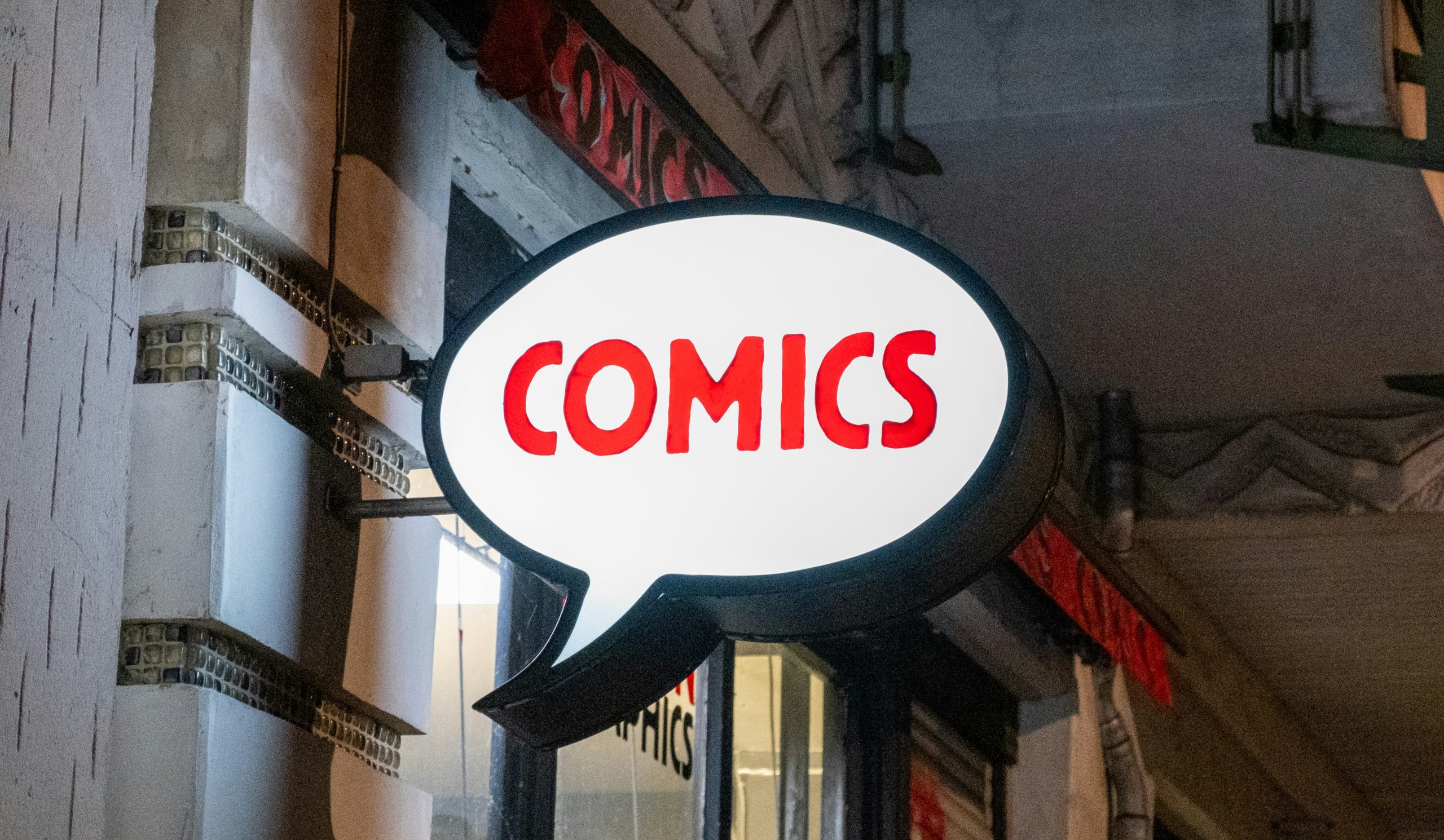
Comics are more than just ink on paper or pixels on a screen. They are a vibrant storytelling medium that has shaped pop culture for over a century. From the earliest newspaper strips to sprawling global fandoms, comics have inspired generations of artists, writers, and readers. Whether you are a collector hunting for vintage issues, a casual reader enjoying a Sunday funnies strip, or a geek debating superhero lore online, comics hold a special place in our cultural imagination.
In this article, we will journey through the history of comics, exploring the golden age of comics, the influence of Dell Comics, the smart humor of Frazz Comic, the family chaos of Marmaduke Comic, and the vast world of global comics. Along the way, we will highlight key moments, notable creators, iconic villains, groundbreaking underground comics, influential women in the medium, the boom of sci-fi and fantasy storytelling, conventions, and the geeky quirks that make comics so endlessly fascinating.
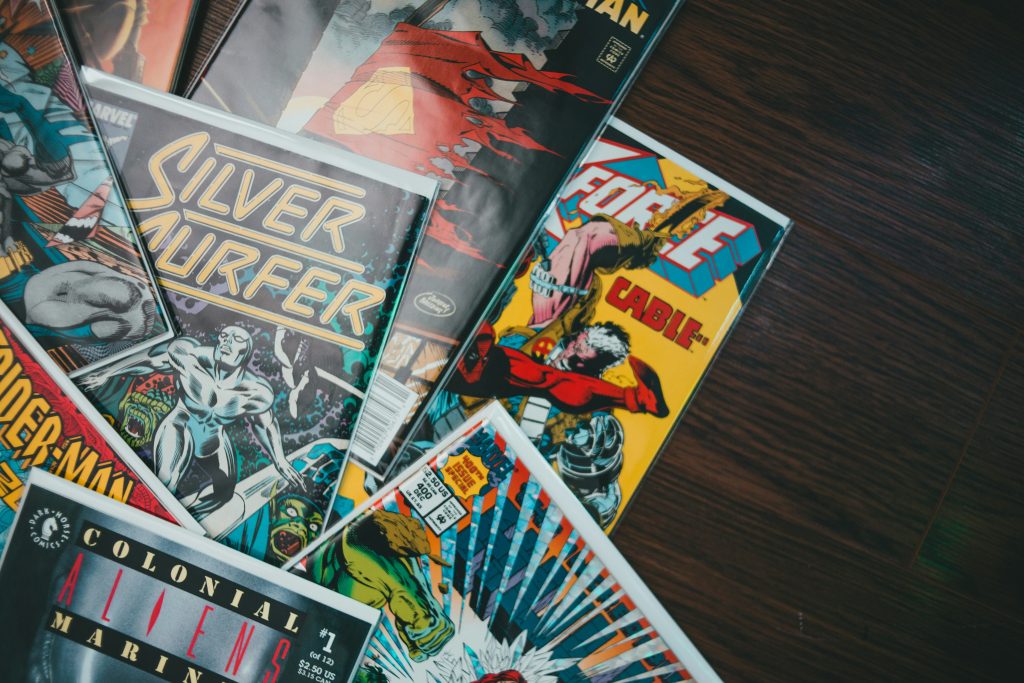
The Origins of Comics: From Newspapers to Early Strips
Long before superheroes soared across city skylines, comics were born in newspapers. Early comic strips were simple, humorous sketches that entertained readers while often commenting on society. Artists like Winsor McCay, the creator of Little Nemo in Slumberland, and Richard Outcault, who introduced The Yellow Kid, helped define what comics could be. These early strips were often serialized, creating suspense and excitement that kept readers coming back for more.
The structure of these strips, with panels and sequential storytelling, laid the foundation for modern comics. Fans quickly realized that comics were more than entertainment; they were collectible artifacts. Children and adults alike would clip strips, trade them with friends, or save them in scrapbooks. Even in their earliest forms, comics were a medium where art, narrative, and fandom collided, setting the stage for everything that would follow.
The Golden Age of Comics: Birth of Heroes and Legends
The golden age of comics, spanning roughly from the late 1930s to the early 1950s, was a transformative period. This era gave birth to iconic superheroes such as Superman, Batman, and Captain America. These characters became symbols of hope, justice, and resilience, especially during the tumultuous years of World War II. Comics offered escapism and inspiration, blending fantastical adventures with moral storytelling.
The golden age of comics was more than just superheroes. It was a time of experimentation and creativity. Publishers like DC and Marvel were just beginning to understand the commercial and cultural potential of comics. Fans eagerly followed serialized adventures, debating who would triumph and collecting every issue possible. This era laid the groundwork for superhero fandom as we know it today, with conventions, fan clubs, and passionate debates about who was the ultimate hero.
Geeky fans often delight in the small details of golden age comics. The first appearance of a character, a rare variant cover, or an obscure villain can become the subject of endless online discussion. The golden age was not only about the stories on the page but also about the shared experience of readers discovering these heroes together.
Comic Book Villains: The Unsung Stars
Heroes are only as memorable as the villains they face. During the golden age, comic book villains emerged as compelling, theatrical characters who challenged heroes and fascinated readers. The Joker, Lex Luthor, and Red Skull became icons, not just because they opposed the heroes but because they brought depth and tension to the stories. Villains represented fear, chaos, and moral conflict, creating a backdrop against which heroism could shine.
Over the decades, villains evolved from one-dimensional antagonists to psychologically complex figures. Modern readers analyze their motivations, backstories, and even ethical perspectives. The geeky joy of villain lore includes debates about who is the most iconic, comparisons of different interpretations across eras, and fan theories about their future arcs. Villains may play the “bad guy,” but they are arguably the unsung stars of comic history, and their legacies are as influential as those of the heroes they oppose.
Dell Comics and the Rise of Pop Culture Crossovers
While superhero comics dominated, Dell Comics carved out a unique niche. Founded in 1929, Dell became synonymous with licensed and family-friendly comics. They published stories featuring beloved characters from Disney, Warner Bros., and other popular media franchises. This approach bridged the gap between comics and broader pop culture, allowing fans to experience their favorite characters in new ways.
Dell Comics became a pioneer in storytelling that combined entertainment with mass media. Titles featuring Mickey Mouse, Bugs Bunny, and other beloved icons were staples of childhood reading. Collectors today still treasure these issues for their nostalgic charm and historical significance.
Geeky collectors often hunt for rare Dell issues, debating print variations, cover art, and story arcs. Dell Comics demonstrated that comics were not just about superheroes; they could also celebrate humor, adventure, and cross-media storytelling.
Underground Comics: Rebels of the 60s and 70s
The 1960s and 1970s brought a rebellion against mainstream comic norms. Underground comics, often called comix, explored adult themes, counterculture, and political satire. Artists like Robert Crumb and Trina Robbins challenged censorship, social norms, and traditional storytelling. These comics were raw, edgy, and unapologetically experimental.
Underground comics influenced mainstream publishing by pushing boundaries in art, narrative, and subject matter. They demonstrated that comics could address complex social issues and appeal to adult audiences. Collectors now seek these prints not only for their artistic value but also for their cultural significance. The geeky thrill comes from discovering obscure underground titles, tracing their limited print runs, and understanding how they shaped modern comic storytelling.
Frazz Comic: A Slice of Intellectual Humor in Comics
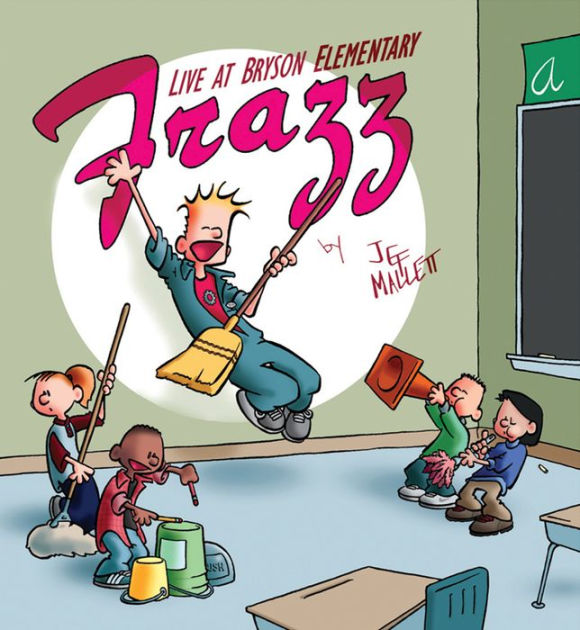
Among modern comic strips, Frazz Comic stands out for its clever wit and relatable themes. Created by Jef Mallett, Frazz follows the life of a school janitor who is smarter than the administrators and more insightful than the students. The humor is both intelligent and playful, blending life lessons with clever commentary on school and society.
Frazz Comic has a loyal following because it challenges the reader to think while making them laugh. The characters are well-developed, and the stories often explore philosophical or ethical dilemmas in a lighthearted way. Unlike some mainstream comics, Frazz thrives on subtlety and nuance, appealing to geeks who appreciate layered humor.
The strip also highlights the power of comics as a medium for social commentary. By presenting life through the eyes of a witty janitor, Frazz Comic encourages readers to question authority, value intelligence, and find joy in small victories. For fans, Frazz is more than entertainment; it is a cultural touchstone for thoughtful humor.
Women in Comics: Pioneers and Powerhouses
Women have played a crucial role in comics, both as creators and as characters. From Wonder Woman, created by William Moulton Marston, to modern indie artists and writers, women have shaped the industry in meaningful ways. Female creators brought fresh perspectives, exploring themes of empowerment, identity, and social justice.
In recent decades, women have challenged stereotypes and expanded representation in comics. Characters like Ms. Marvel, Batwoman, and Kamala Khan have become icons for younger generations, while creators like Gail Simone and Marjorie Liu have brought complex storytelling to the medium. Fans celebrate these contributions not only for inclusivity but also for the depth and creativity they add to comic history.
The geeky joy of women in comics includes tracing their influence across decades, collecting vintage female-driven titles, and participating in discussions about representation and storytelling diversity. Their presence underscores that comics are a medium that can evolve with society.
Marmaduke Comic: Dogs, Chaos, and Classic Humor
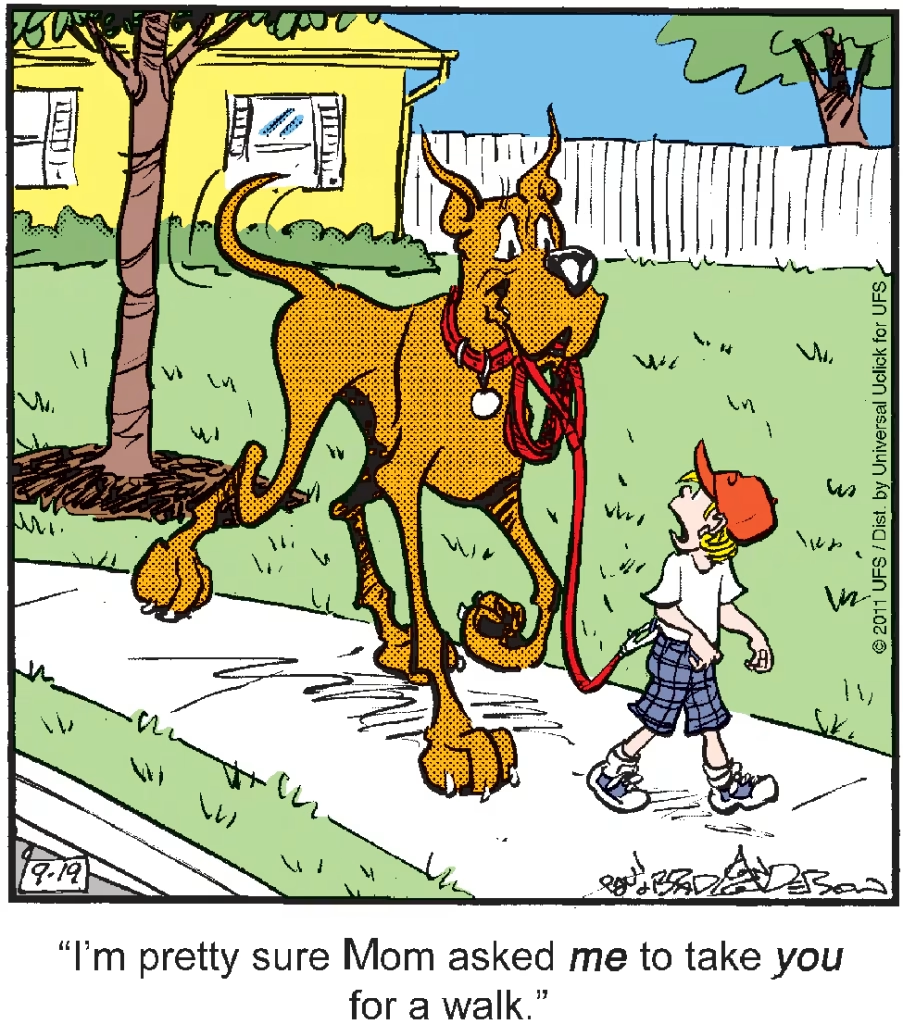
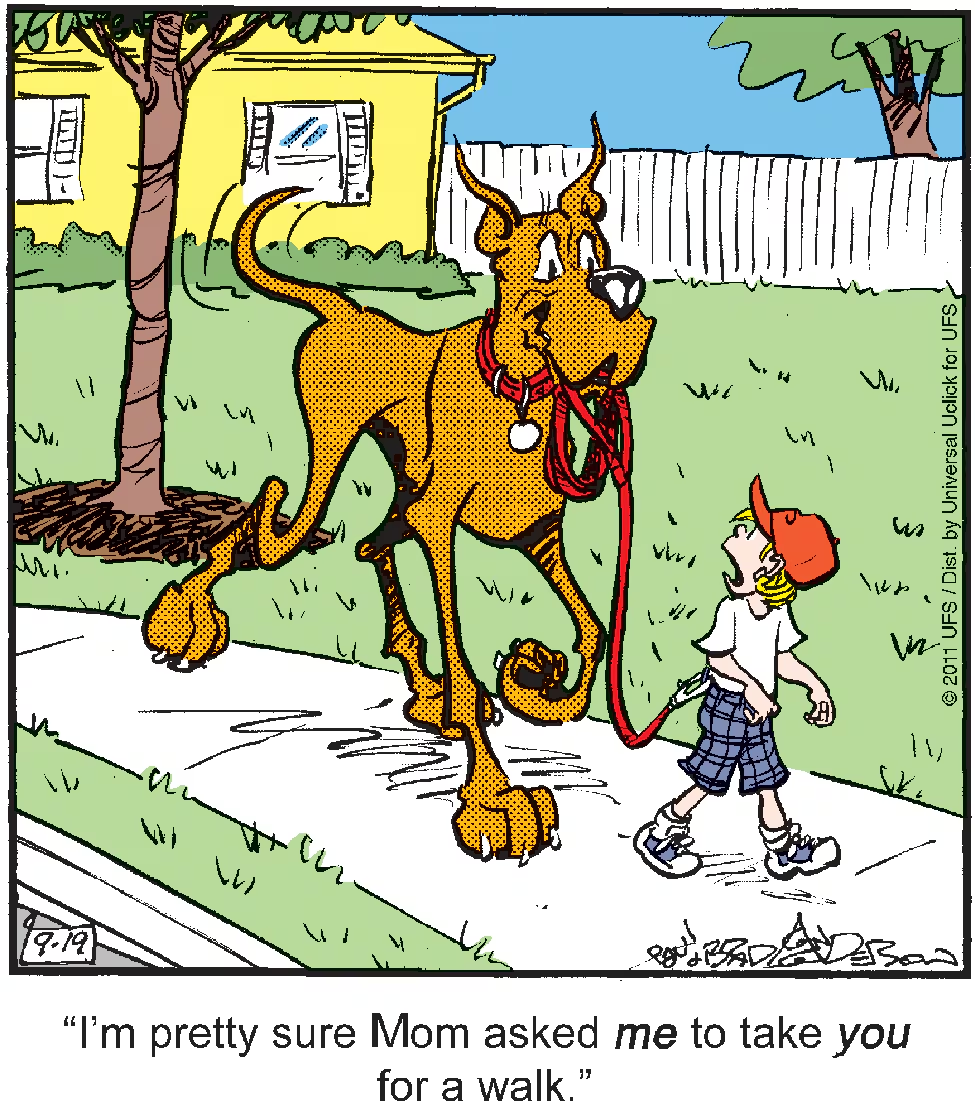
No discussion of iconic comics would be complete without mentioning Marmaduke Comic. This long-running strip, featuring a lovable Great Dane and his family, has been a staple of humor comics since its debut. Marmaduke’s misadventures, from destroying furniture to causing neighborhood chaos, capture the timeless appeal of pets and family life.
Marmaduke Comic resonates with readers because it combines relatable family dynamics with exaggerated comedy. The dog’s antics provide a perfect lens through which to explore human behavior in a light and entertaining way. Families, pet owners, and comic enthusiasts alike have found joy in Marmaduke’s playful chaos.
Collectors and fans often enjoy comparing Marmaduke strips across decades, noting how humor evolves while core themes remain intact. This comic demonstrates the versatility of the medium, proving that compelling storytelling does not always require superheroes or high stakes. Sometimes, the simplest setups deliver the biggest laughs.
Global Comics: Beyond the U.S. and Superheroes
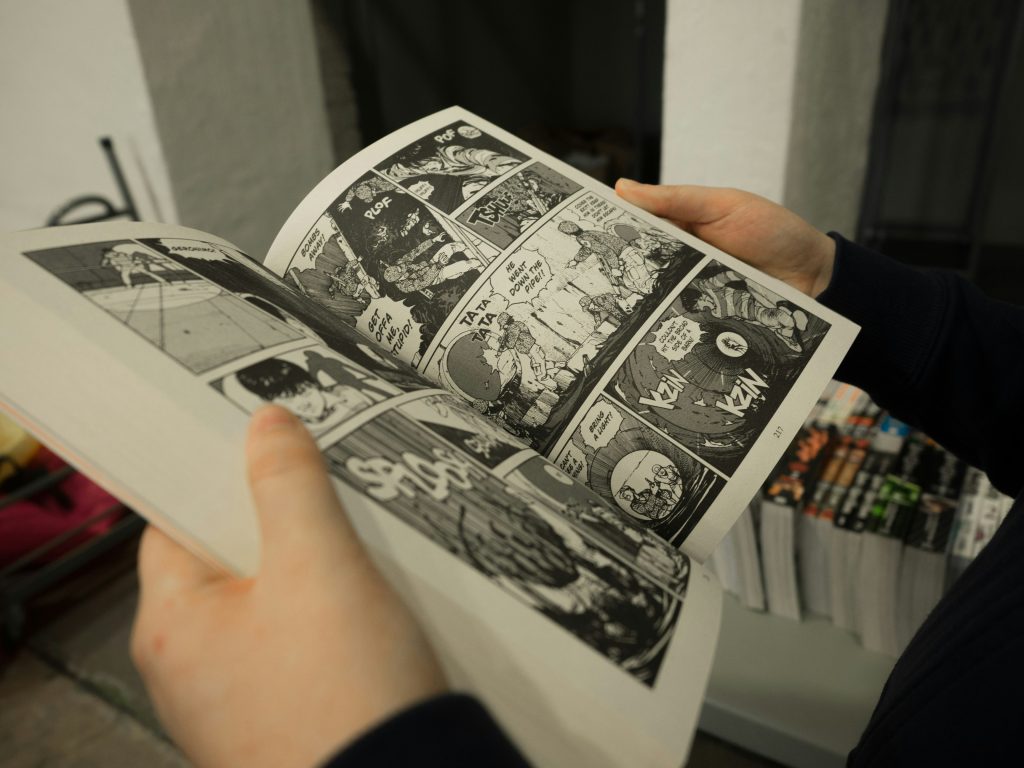
While American comics often dominate conversations, the world of comics is vast and diverse. Global comics have their own unique histories, styles, and fan cultures. Japanese manga, for example, has grown from early classics like Astro Boy into a worldwide phenomenon, with genres ranging from action and romance to horror and slice-of-life stories.
European comics, particularly Franco-Belgian bandes dessinées, offer a distinct aesthetic and storytelling approach. Titles like Tintin and Asterix are beloved for their humor, artistry, and adventurous plots. These works demonstrate that comics are not a monolith; they are a global language of storytelling.
The rise of global comics has also influenced American creators. Cross-cultural exchanges have led to hybrid styles, shared characters, and collaborative projects. Conventions around the world celebrate this diversity, bringing together fans of manga, European comics, and American superheroes under one roof. For geeks, exploring global comics is a journey through countless worlds, each with its own rules, humor, and heroes.
The Science Fiction and Fantasy Boom in Comics
Science fiction and fantasy have long been integral to comics, expanding the limits of imagination. Classics like Flash Gordon and Buck Rogers introduced futuristic worlds, space battles, and epic adventures long before movies embraced these genres. Modern comics continued this trend with titles like Star Wars, Saga, and manga sci-fi masterpieces.
These genres allowed artists and writers to experiment with world-building, speculative technology, and complex narratives. Fans appreciate the creativity, lore, and the endless possibilities offered by sci-fi and fantasy storytelling. Geeky discussions often revolve around multiverses, alien races, and magical systems, highlighting the depth that comics can achieve beyond traditional superhero tales.
Modern Trends and Digital Evolution in Comics
Comics have continued to evolve in the digital age. Webcomics, digital publishing platforms, and mobile apps allow creators to reach audiences instantly, bypassing traditional print distribution. Social media amplifies fan communities, enabling readers to share, critique, and celebrate comics from around the world.
Digital platforms have also fostered new genres and experimental storytelling. Interactive comics, motion comics, and augmented reality experiences expand the boundaries of what comics can be. Fans now participate not just as readers but as collaborators, contributing fan art, memes, and discussions that enrich the medium.
The geeky appeal of modern comics lies in this interactivity. Readers can follow a creator’s journey, support indie projects, and even influence storylines through online engagement. The digital evolution ensures that comics remain relevant and accessible for a global, tech-savvy audience.
Comic Conventions: The Mecca for Geeks
Comic conventions are where fandom truly comes alive. From San Diego Comic-Con to international events, conventions celebrate creativity, cosplay, and the shared love of comics. Panels, signings, and exhibitions allow fans to connect with creators and discover new stories.
Conventions are also crucial for indie comics, offering exposure and opportunities for networking. For collectors, conventions provide access to rare issues, exclusive merchandise, and unique experiences. Geeky fans revel in cosplay contests, fan meet-ups, and interactive sessions that blur the line between reality and the worlds of their favorite comics. These events reinforce the communal and celebratory spirit that has always been central to comic culture.
The Collector’s Universe: Preserving Comics History
For many fans, collecting comics is a serious endeavor. Collectors preserve history, chase rare editions, and engage in passionate debates about grading, authenticity, and significance. Vintage issues of Dell Comics, classic Frazz strips, and iconic Marmaduke panels are treasured items that connect readers to the medium’s past.
Collecting comics is also a geeky adventure. Fans attend conventions, participate in auctions, and trade issues with other enthusiasts. Understanding print variations, limited editions, and historical context adds depth to the hobby. Collectors help keep the legacy of comics alive, ensuring that new generations can appreciate both their artistic and cultural significance.
Conclusion: Comics as an Everlasting Cultural Force
The history of comics is a testament to the medium’s adaptability, creativity, and cultural impact. From early newspaper strips to the golden age of comics, from Dell Comics to Frazz Comic and Marmaduke Comic, across global comics traditions, and through underground, sci-fi, and fantasy movements, the medium has continually evolved while retaining its core appeal: storytelling through art and imagination.
Comics are more than entertainment. They are a mirror reflecting society, a laboratory for creative experimentation, and a bridge connecting fans across generations and continents. For geeks, collectors, and casual readers alike, comics offer endless exploration, debate, and enjoyment. As long as there are stories to tell, comics will continue to inspire, amuse, and captivate audiences around the world.
FAQ
What defines the golden age of comics?
The golden age of comics, roughly from the late 1930s to early 1950s, is defined by the emergence of iconic superheroes, patriotic storytelling during World War II, and the establishment of comics as a popular cultural medium.
Which Dell Comics titles are most valuable today?
Collectors highly prize early issues featuring Disney characters, Bugs Bunny, and other licensed properties. Rarity, condition, and historical significance determine their value.
What makes Frazz Comic and Marmaduke Comic unique?
Frazz Comic is celebrated for its witty, intellectual humor and insightful commentary, while Marmaduke Comic appeals through timeless, family-friendly chaos and comedic storytelling.
How do global comics differ from American superhero comics?
Global comics, such as Japanese manga or European bandes dessinées, often emphasize different artistic styles, cultural themes, and storytelling conventions, offering diverse narratives beyond the superhero genre.
Why are comic conventions important for fans and creators?
Conventions provide opportunities to meet creators, discover indie comics, participate in cosplay, and celebrate fandom culture. They foster community, networking, and the preservation of comic history.










Related Posts
Stay Informed With the Latest & Most Important News
Previous Post
Next Post










Advertisement