Now Reading: The Female Movie Characters We Will Never Stop Talking About 🎬
-
01
The Female Movie Characters We Will Never Stop Talking About 🎬

There is a specific kind of female movie character that stays with you long after the credits roll. Not because of what happened to her but because of who she was. The way she walked into a room. The way she handled a situation that would have broken anyone else.
The way she said something that lodged itself permanently in your brain and has been living there rent free ever since.
Cinema has given us an extraordinary lineup of women over the decades. Women who redefined what a leading character could look like. Women who were complicated and contradictory and messy and brilliant and impossible to reduce to a single quality. Women who became cultural shorthand for entire ways of being in the world.
This is not a list of the most virtuous female movie characters. It is not a list of the most likable ones either. It is a list of the most unforgettable. The women who ran things. The ones who went full villain and made it look good. The ones who refused to be broken no matter what the script threw at them.
The complicated ones who defied every category you tried to put them in. And the icons who became so much bigger than their films that the films almost feel like a footnote.
Every single one of them deserves to be here. Some of them you will agree with immediately. Some of them will start an argument. Both outcomes are entirely intentional.
The Women Who Run Things 
These are the women who walked into a room and immediately changed the temperature of it. Not because they were trying to. Because they could not help it.
The Women Who Run Things are the female movie characters defined by competence, ambition, and an absolute refusal to be underestimated by anyone in their orbit.
They did not ask for the room. They took it.
Miranda Priestly — The Devil Wears Prada (2006)
Miranda Priestly does not raise her voice. She does not need to. Meryl Streep built one of the most formidable movie characters in cinema history entirely out of quiet devastation, a white bob, and the kind of stillness that makes everyone around her visibly nervous. Miranda is technically the antagonist of The Devil Wears Prada.
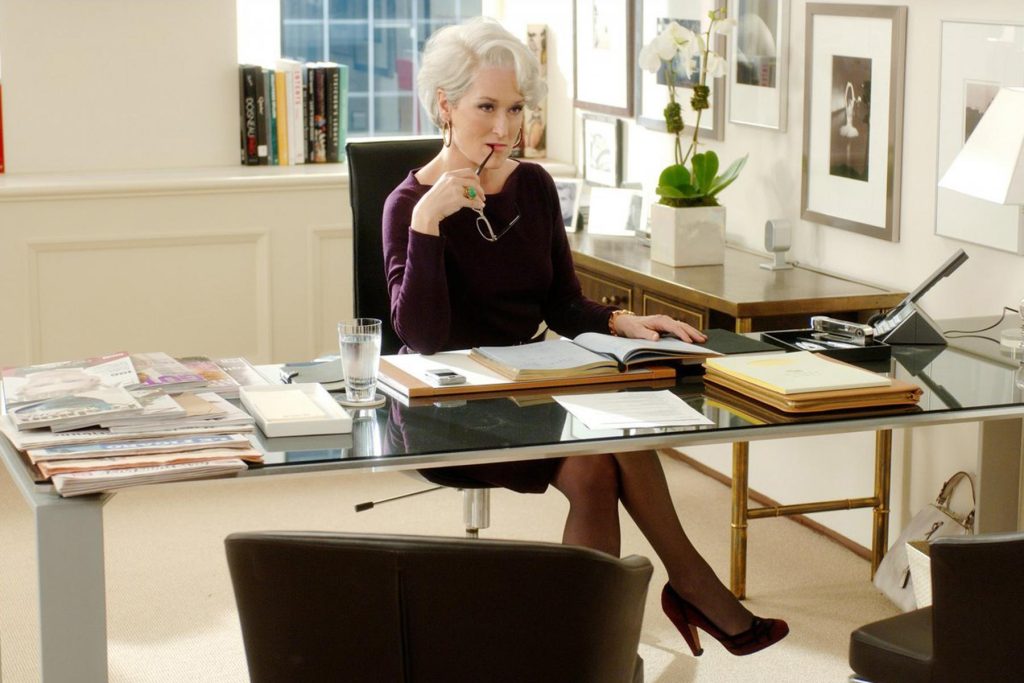
In practice she is the most compelling person in every scene she inhabits and the character everyone remembers long after they have forgotten the plot. That’s all.
Elle Woods — Legally Blonde (2001)
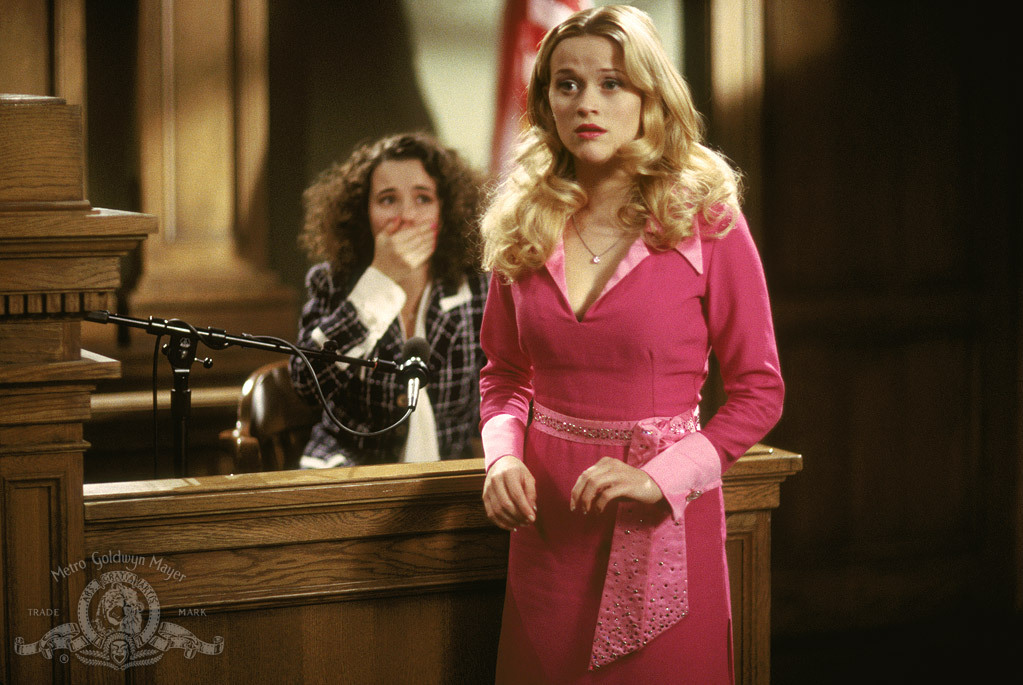
Elle Woods is the character who looked like a punchline and became the point. A fashionable, relentlessly optimistic blonde who gets into Harvard Law School, outsmarts everyone who underestimated her, and does it all without once pretending to be someone she is not.
© 2001 Metro-Goldwyn-Mayer Studios Inc. All Rights Reserved.
Elle Woods is one of the most quietly radical female movie characters of her era because she proved that competence and femininity were never mutually exclusive. The bend and snap was just a bonus.
Erin Brockovich — Erin Brockovich (2000)
Erin Brockovich is based on a real person which makes her even more extraordinary. A single mother with no legal training who takes on a California power company and wins. Julia Roberts won an Oscar for this performance and earned every single part of it.
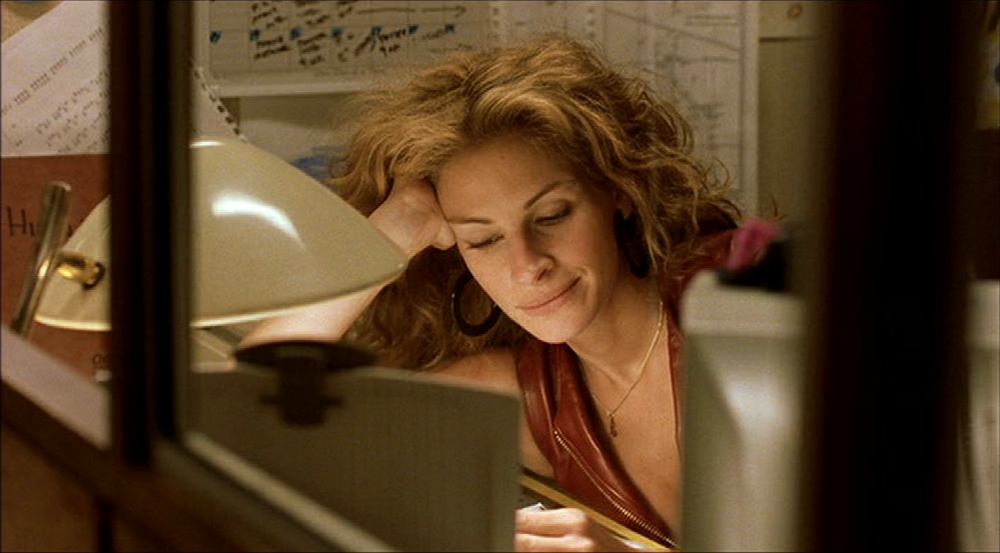
Erin Brockovich is the Women Who Run Things category in its purest form. No formal power. No institutional backing. Just intelligence, tenacity, and the kind of righteous anger that moves mountains when it is pointed in the right direction.
The Women Who Run Things did not wait for permission. They are still waiting for the rest of the room to catch up.
The Villainesses
Here is the thing about a great villainess. She is never just evil. She is motivated, specific, and frequently operating with a logic that is uncomfortably easy to follow. The best female villains in cinema are the ones who make you question which side of the screen you would actually be on if you thought about it long enough.
These women are magnetic, terrifying, and in several cases the most interesting character in the entire film by a significant margin.
Amy Dunne — Gone Girl (2014)
Amy Dunne is the most terrifying female movie character of the twenty first century and she is terrifying specifically because she is so intelligent. Rosamund Pike plays her with a cold, precise, almost clinical brilliance that makes every scene she is in feel genuinely dangerous. Amy Dunne did not snap. She planned. She anticipated. She was always ten steps ahead of everyone around her including the audience.
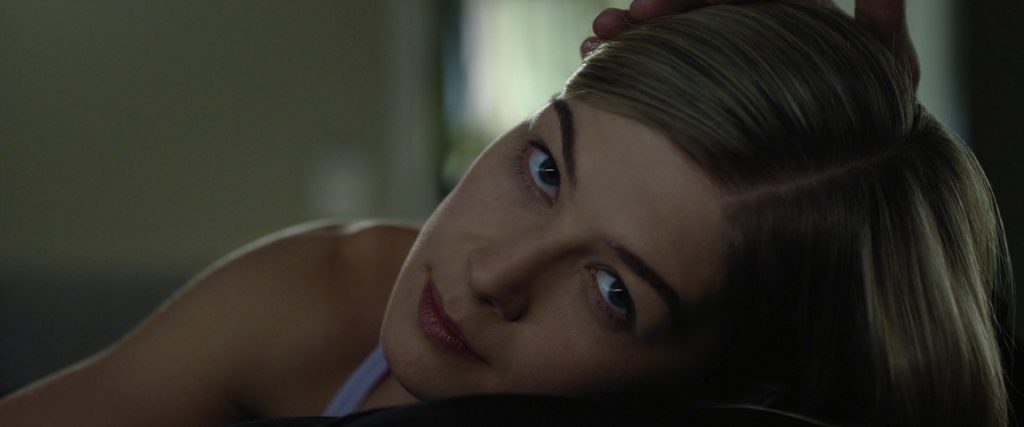
Gone Girl is a thriller but Amy Dunne is the reason it became a cultural event. Cool girl. We all know the speech.
Nurse Ratched — One Flew Over the Cuckoo’s Nest (1975)
Nurse Ratched is the villainess who does not think she is one. That is what makes her so deeply unsettling. Louise Fletcher plays her as a woman who genuinely believes she is helping, whose control is dressed up as care, and whose cruelty is administered with a smile and a clipboard.
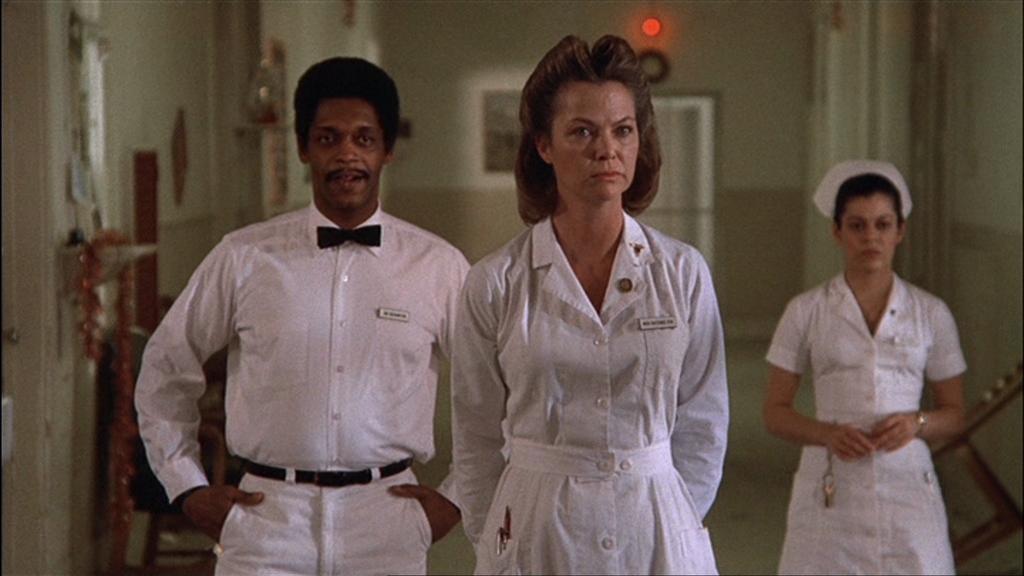
Nurse Ratched became so culturally embedded that her name became an adjective. To be Ratched is to be a specific kind of institutional menace. Cinema has never produced a more quietly chilling antagonist.
Cruella de Vil — 101 Dalmatians (1961) and Cruella (2021)
Cruella de Vil has been terrifying audiences since 1961 and somehow got more compelling sixty years later when Emma Stone played her origin story with such unhinged committed energy that people left the cinema inexplicably on her side. Cruella is the villainess who became a fashion icon, a Halloween costume, and a personality type all at once. Half black. Half white. Entirely unforgettable.
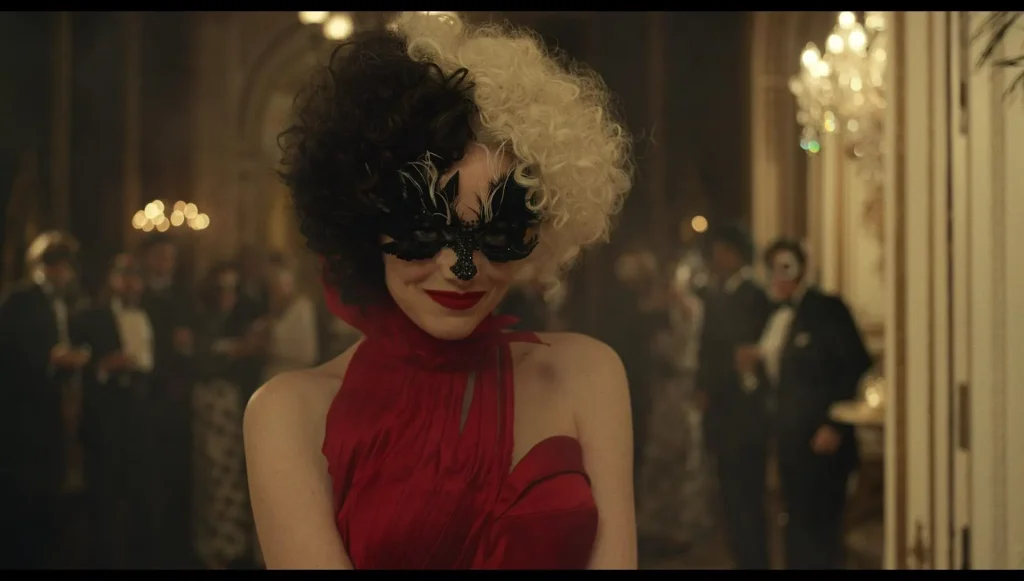
The villainesses on this list are not role models. They are cautionary tales that forgot to be cautionary. We are obsessed with all of them.
The Unstoppable Ones
These are the women who got knocked down, stayed down for exactly as long as they needed to, and then got back up. The Unstoppable Ones are not defined by perfection or power or privilege. They are defined by something much harder to manufacture.
The refusal to quit when quitting would have been entirely understandable. Cinema has produced no more reliable source of genuine inspiration than this category and every character on this list has earned their place in it.
Katniss Everdeen — The Hunger Games (2012)
Katniss Everdeen volunteered as tribute for her little sister and spent four films surviving things that would have destroyed anyone with less resolve. Jennifer Lawrence played her not as a superhero but as a genuinely frightened young woman who kept going anyway and that distinction is everything.
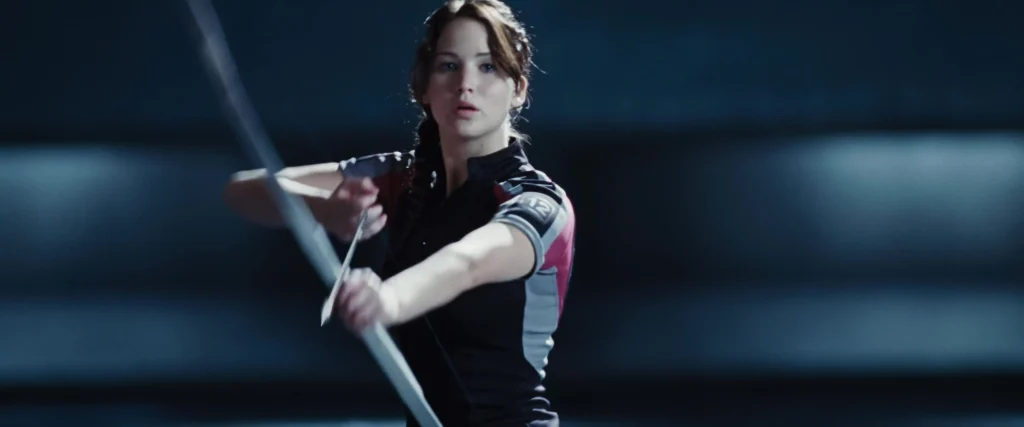
Katniss is not unstoppable because she is exceptional. She is unstoppable because she decides to be every single time the story gives her a reason to stop. That is a different and more interesting kind of strength entirely.
Clarice Starling — The Silence of the Lambs (1991)
Clarice Starling is a trainee FBI agent who walks into a maximum security psychiatric facility to interview one of the most dangerous men alive and does not flinch. Jodie Foster plays her with a quiet, contained intensity that makes every scene feel like it is operating under enormous pressure.
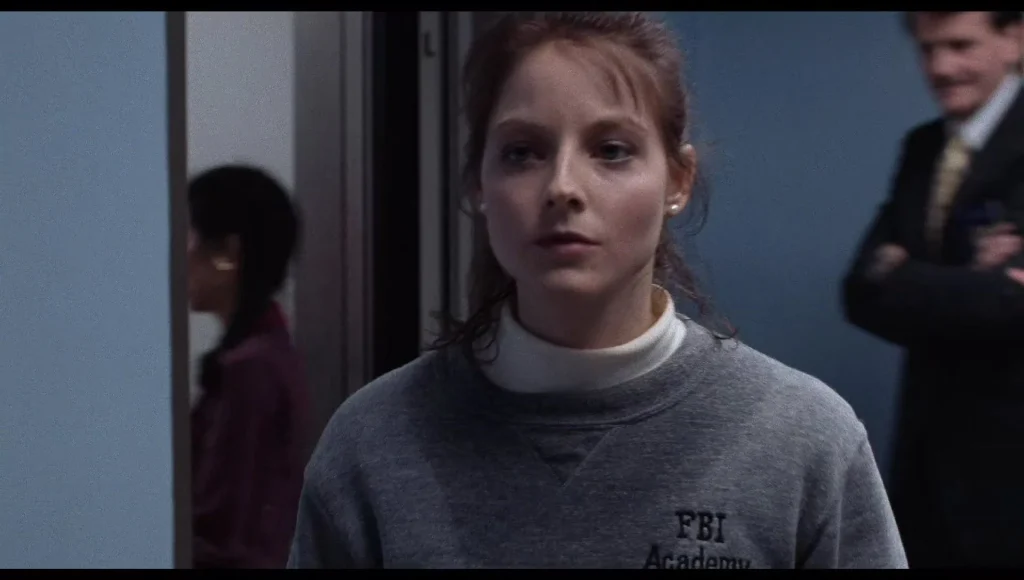
Clarice is unstoppable not because she is fearless but because she is afraid and does it anyway. The distinction matters. The Silence of the Lambs is one of the greatest films ever made and Clarice Starling is a significant reason why.
Imperator Furiosa — Mad Max: Fury Road (2015)
Imperator Furiosa drove a war rig across a post-apocalyptic wasteland with one arm to free a group of women from captivity and did not stop for anything or anyone.
Charlize Theron delivered one of the greatest action performances in cinema history and created a character so compelling that she earned her own prequel film a decade later. Furiosa is the Unstoppable
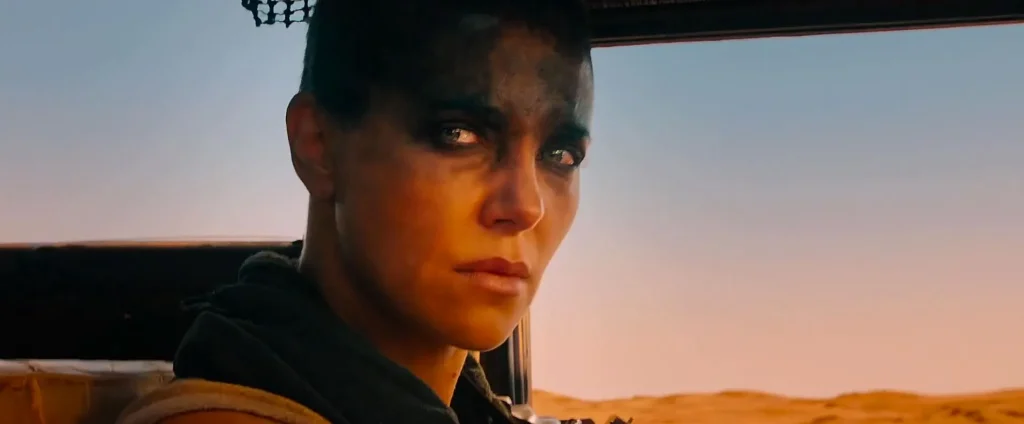
Ones category at its most literal and its most cinematic. She does not say much. She does not need to. Everything she does speaks loudly enough.
The Unstoppable Ones did not survive because the odds were in their favor. They survived because they decided the alternative was not acceptable.
Cinema has never looked more inspiring than when it lets women make that decision.
The Complicated Ones
These are the women who refused to be easy. Not the heroes and not the villains and not comfortably anywhere in between. The Complicated Ones are the female movie characters who made you question your own moral compass, root for people you probably should not have, and sit with an ambiguity that did not resolve itself neatly by the final scene.
They are the most interesting women on this list precisely because they are the hardest to categorize.
Amy Dunne — Gone Girl (2014)
Yes, Amy appears twice on this list. That is how complicated she is. Beyond the villainy there is something in Amy Dunne that resonates with a discomfort that goes much deeper than a thriller plot. She is a woman who performed a version of herself for everyone around her until she decided to stop.
The cool girl monologue is not just a great scene. It is one of the most searingly accurate pieces of writing about female identity in modern cinema. Amy Dunne is complicated in ways that outlast the plot by a significant distance.
Lisbeth Salander — The Girl with the Dragon Tattoo (2011)
Lisbeth Salander operates entirely outside the rules of conventional morality and is completely compelling because of it. She has been failed by every institution and every person who was supposed to protect her and has responded by becoming someone who protects herself with an efficiency that is equal parts admirable and alarming.
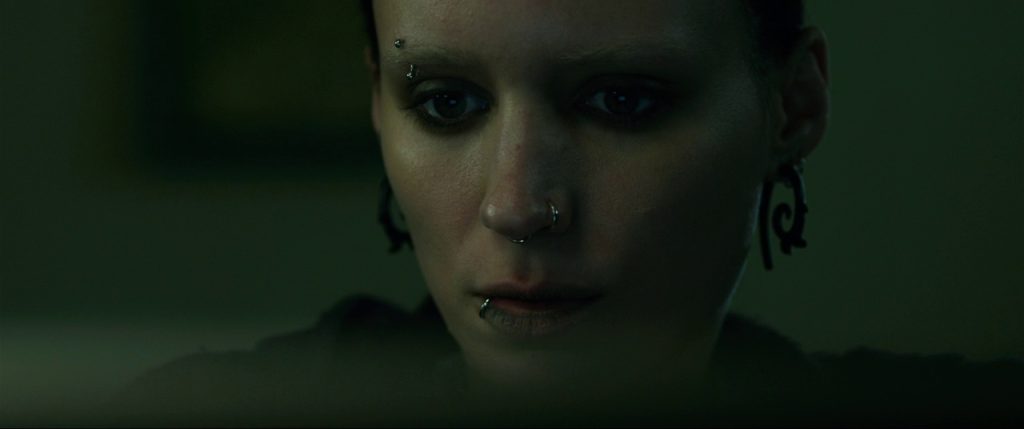
Rooney Mara plays her as a woman who has made herself deliberately difficult to read and even more difficult to forget. Lisbeth Salander is not a character you understand immediately. She is a character you keep thinking about until you do.
Scarlett O’Hara — Gone with the Wind (1939)
Scarlett O’Hara is selfish, manipulative, ruthlessly self-interested, and one of the most compelling female protagonists in cinema history.
Vivien Leigh played her with such extraordinary commitment and such genuine charisma that audiences have been arguing about whether to admire or condemn her for over eighty years. Scarlett is complicated in the oldest and most enduring way. She survives.
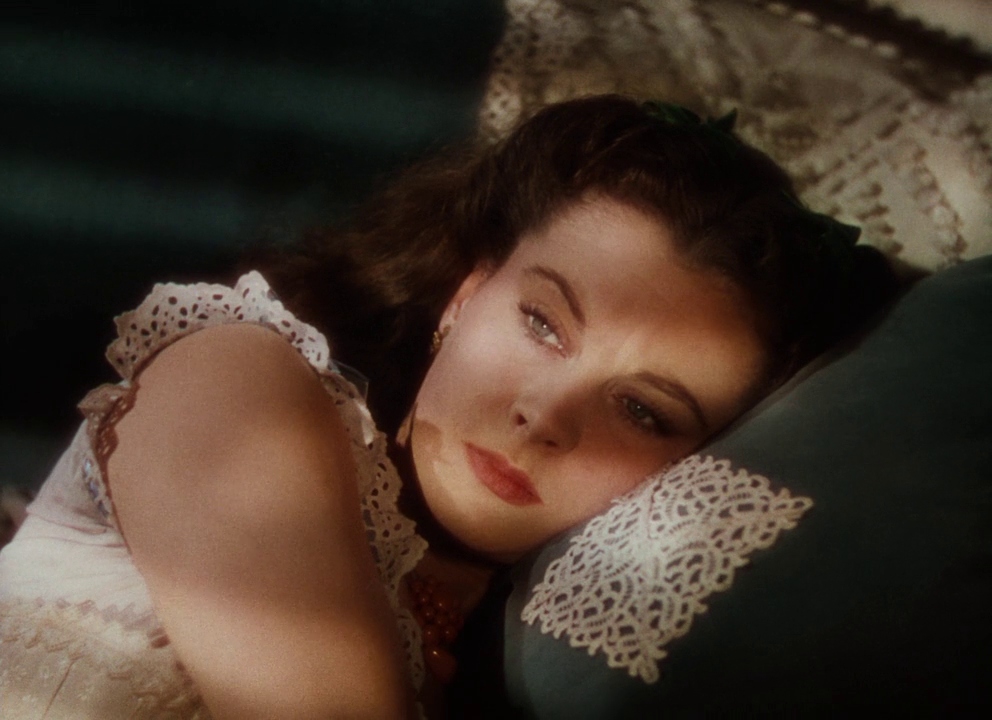
She does whatever it takes to survive. And the film never quite decides whether that is heroic or terrible. Neither have audiences. That unresolved tension is exactly what keeps her on every list like this one.
The Complicated Ones do not make it easy for you. That is precisely the point. Cinema is most honest about human nature when it stops trying to make its women simple.
The Icons
These are the women who became bigger than their films. Characters so culturally embedded, so endlessly referenced, and so thoroughly absorbed into the collective consciousness that entire generations know them without having seen the films they came from.
The Icons are the female movie characters who stopped being characters at some point and became something else entirely. Symbols. Archetypes. Shorthand for entire ways of existing in the world.
Holly Golightly — Breakfast at Tiffany’s (1961)
Holly Golightly is one of the most recognizable images in cinema history before you even know anything about her. The black dress. The cigarette holder. The oversized sunglasses.
Audrey Hepburn created a character so visually iconic that the image alone communicates something specific and universally understood about a certain kind of glamorous, untethered, searching femininity.
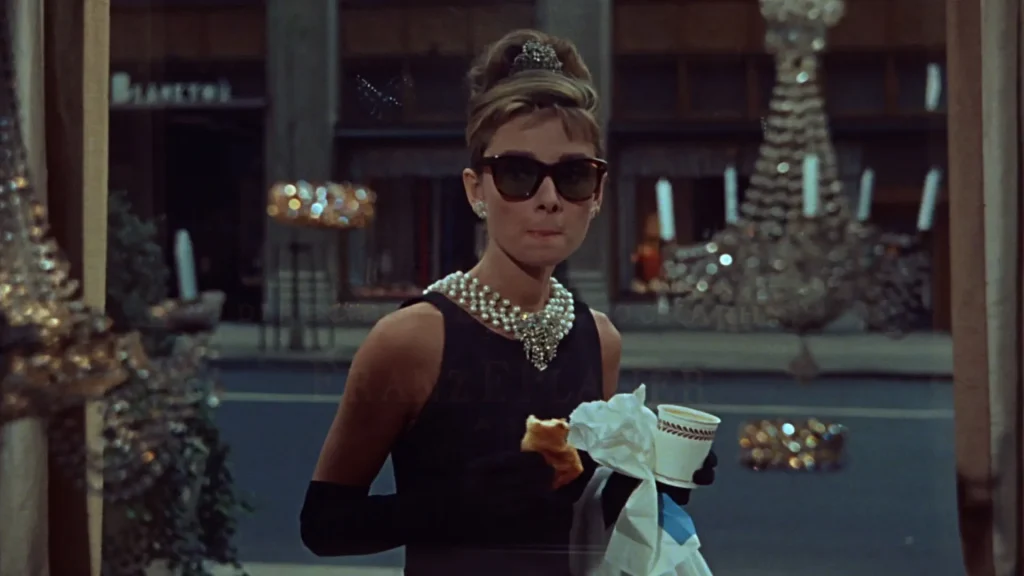
Holly Golightly is complicated beneath the surface in ways the film only partially explores but the icon she became is unambiguous. There is before Breakfast at Tiffany’s and there is after it and the difference is measurable in black dresses sold.
Dorothy Gale — The Wizard of Oz (1939)
Dorothy Gale went somewhere extraordinary and chose to come home. That is the entire arc and it has resonated with audiences for over eighty years because it is true about something fundamental.
Judy Garland was sixteen years old when she played Dorothy and delivered a performance of such genuine warmth and emotional honesty that it has never been surpassed or meaningfully replicated.
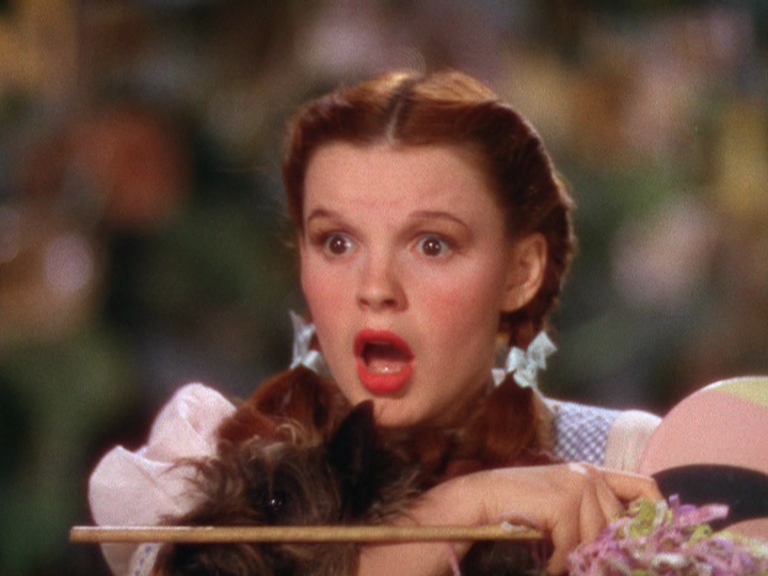
Dorothy is the icon of longing, wonder, and the discovery that what you were looking for was with you the whole time. There is no place like home. Cinema has never said anything simpler or more true.
Thelma and Louise — Thelma and Louise (1991)
Thelma and Louise are on this list together because they always were. Two women who started a road trip and ended up rewriting what female friendship and female freedom looked like on screen.
Geena Davis and Susan Sarandon created something so specific and so electric that the film became a cultural landmark the moment it was released and has never stopped being one.
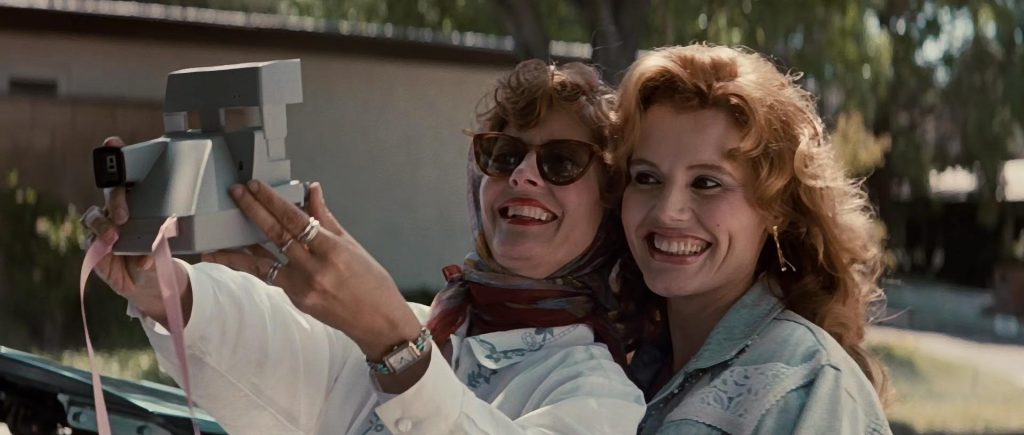
The final image is one of the most debated and most celebrated in cinema history. Thelma and Louise drove off that cliff and into permanence. They have been there ever since.
The Icons did not set out to become symbols. They just were themselves so completely and so specifically that the rest of the world recognized something universal in it and never let go.
The Verdict
Cinema has given us an extraordinary range of female characters over the decades. The ones who ran things and the ones who burned them down. The ones who survived against every odd and the ones who made survival look like the most radical act imaginable. The complicated ones who refused to be reduced and the icons who became so much bigger than anyone anticipated.
What every character on this list has in common is specificity. They are not types. They are not placeholders. They are not there to serve the story of someone else. They are fully realized, deeply particular, and impossible to replace with anyone else. That specificity is what makes them iconic. That specificity is what makes us never stop talking about them.
The list could always be longer. The arguments about who deserves to be on it will never end. Every person who reads this will have a name that should have been included and they will probably be right. That is the whole point. Cinema has given us so many extraordinary women that no single list could ever do justice to all of them.
These are just the ones we will never stop talking about. The conversation about the rest is still very much open.










Related Posts
Stay Informed With the Latest & Most Important News
Previous Post
Next Post






Advertisement