Now Reading: The Comic Book Industry: All About Dell Comics
-
01
The Comic Book Industry: All About Dell Comics

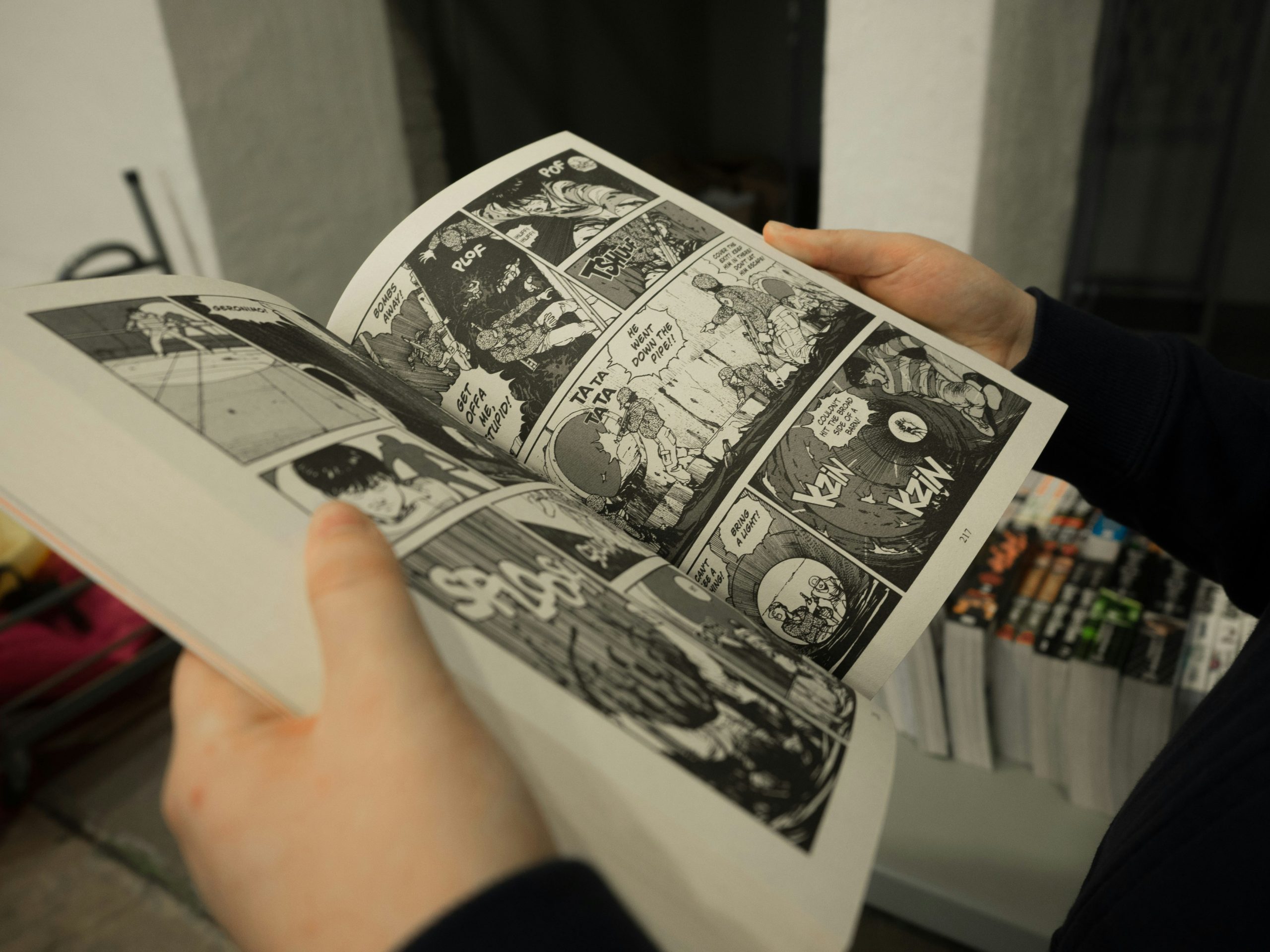
The story of Dell Comics is one every true comic fan should know. Long before superheroes dominated spinner racks, Dell built a publishing empire grounded in imagination, licensing power, and a belief that comics could be wholesome enough for any kid to read. Dell was not flashy. Dell was not edgy. Yet Dell shaped the foundations of the American comic book market in ways that still echo across the industry today. If you want to understand how modern comics became what they are, you need to understand Dell.
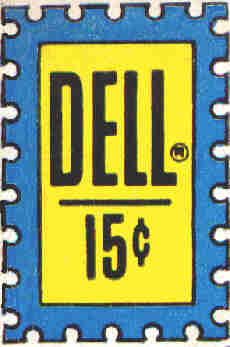
The Origins of Dell Comics
Dell Comics began within Dell Publishing, a company that started as a pulp and magazine house in the 1920s. While other publishers dove straight into superhero content, Dell took another path. Dell worked with Western Publishing, a production and packaging powerhouse, to create comics built around licensed characters, humor, and adventure.
This partnership became a giant. Western handled editorial and creative work. Dell handled printing, distribution, and financing. The result was a well oiled machine that pushed out some of the best selling comics of the century. Dell’s early titles set the tone for what would become its trademark approach. The stories were clear, fun, and family friendly. The company looked at comics as entertainment for every household, not just for young collectors.
Dell’s Business Model and Editorial Approach
Dell refused to follow the rules that other publishers lived by. While companies like DC and the future Marvel leaned on superheroes and advertising, Dell went in a completely different direction. Dell comics often included no advertising at all, which gave them a cleaner and more premium feel than their competitors.
Dell leaned heavily on licensed properties. If a character or brand had captured American attention, Dell probably had a comic for it. Dell believed in approachable stories that parents could feel good about giving to their kids. The tone was friendly. The art was straightforward. The focus was always on recognizability rather than complicated continuity.
Collectors often forget how revolutionary this approach was. Dell created comics that read like extensions of the cartoons and TV shows people already loved. The company did not chase trends. It created a market where licensed comics were not just viable but dominant.
Signature Titles and Best Known Characters
The Dell catalog reads like a museum of twentieth century American entertainment. At the top of the list sits Walt Disney’s Comics and Stories. This series became one of the best selling comic books in history. Every issue reached millions of readers. Characters like Donald Duck and Uncle Scrooge became comic icons under Dell’s banner.
Dell also controlled Looney Tunes and Merrie Melodies. Bugs Bunny, Daffy Duck, Porky Pig, and the rest of the animated crew found a second home in Dell’s pages. The Lone Ranger and Tarzan expanded Dell’s adventure offerings and became staples of the company’s identity.
Then there was Four Color Comics. This series was Dell’s masterpiece. Four Color acted as a testing ground for new properties and experimental material. Many franchises that later received solo titles first appeared here. Some collectors even treat Four Color as its own universe due to its range and legacy.
From cartoons to film icons to radio stars, Dell had the licensing game mastered. This was the heart of Dell’s success and the backbone of its influence.
The Artistic and Cultural Impact of Dell Comics
Dell’s impact extended far beyond sales charts. Many artists and writers who passed through Dell created timeless interpretations of major characters. The company helped define the visual language of licensed comics. Dell’s consistent linework and approachable storytelling style shaped how generations of young readers perceived comic art.
Dell also played a major role in bringing other entertainment mediums into comics. Before superhero crossovers became common, Dell was blending animation, film, and television worlds within its catalog. Young fans who adored DuckTales, Zorro, or Tarzan often discovered the characters more deeply through Dell issues.
While not known for experimental or gritty storytelling, Dell excelled at clarity. Dell comics taught many readers how to follow sequential art. They offered clean narratives that made comics less intimidating and more inviting. Dell built a readership that would later fuel the rise of other publishers.
The Dell and Western Split
The early 1960s marked a turning point. The long partnership between Dell and Western Publishing fractured due to financial disagreements and strategic conflict. This split was a major blow to Dell, because Western had managed the majority of creative work.
Once the partnership ended, Western created a new imprint called Gold Key Comics. Gold Key kept most of the major licenses, including Disney and Looney Tunes. Dell suddenly found itself without its star properties and without the creative team that had helped build its empire.
With its core identity pulled away, Dell struggled to recover. The company attempted to launch original content, but the market had shifted. Marvel’s superheroes were exploding in popularity. DC remained strong. Gold Key was now filling the exact space Dell had once dominated.
Decline and Closure
After the split, Dell’s decline accelerated. Without its key licenses, its market presence faded. The company struggled to compete with a rising generation of superhero driven publishers and a changing audience.
The sixties and early seventies brought tougher distribution conditions and shrinking readership for non superhero genres. Dell attempted several new concepts, but nothing could match the momentum of the past. Eventually Dell shut down its comics publishing in the early 1970s and became a memory for many readers.
Dell Comics’ Legacy
Even though Dell is gone, its influence remains alive. Collectors still hunt for classic Four Color issues. Early Disney and Looney Tunes comics from Dell are prized pieces of comic history. Many readers look back on Dell as the company that shaped their first experiences with illustrated storytelling.
Modern licensed comics owe much to the Dell system. Dell proved that beloved characters from other media could thrive in comic format. Dell also proved that not every comic needed complex continuity or dramatic universe building. Sometimes readers simply wanted a fun, clear, and polished adventure with characters they already knew.
Dell Comics gave American pop culture a lasting foundation. Its approach to licensing, distribution, and family friendly storytelling had an enormous impact that still echoes through the industry today.
Conclusion
Dell Comics stood at the center of American entertainment during a time when comics were shaping the imaginations of millions. The company created an empire built on licensing power, creative reliability, and accessible storytelling. While Dell eventually faded, its legacy remains untouched. Dell showed the world that comics could be both simple and powerful. Dell proved that adventure, humor, and charm could stand beside superheroes and hold their own. Every comic fan today owes something to Dell, whether they realize it or not.
If you want a deep look at the heart of American comic history, Dell Comics is the place to start.
FAQ
What made Dell Comics different from other publishers?
Dell Comics focused on licensed characters, family friendly stories, and clean storytelling. Dell avoided advertising in many issues and built a reputation for quality presentation. While other publishers chased superheroes, Dell leaned on characters from film, television, radio, and cartoons.
Why were Dell’s licensed titles so successful?
Dell had exceptional partnerships with companies like Disney and Warner Bros. These brands already had massive fan bases. Readers wanted more stories featuring Donald Duck, Tarzan, the Lone Ranger, and other iconic characters. Dell delivered consistent and approachable content that kept families coming back.
What was the Four Color Comics series?
Four Color Comics was an anthology style series that featured a wide variety of characters and stories. Many characters debuted in Four Color before receiving their own titles. It became one of Dell’s most important publications and is highly collectible today.
Why did Dell Comics decline?
Dell’s decline began after its split with Western Publishing in the early 1960s. Western created Gold Key Comics and kept most of the key licenses that had defined Dell’s success. Without those properties and with rising competition from superhero publishers, Dell could not maintain its former position.
Are Dell Comics valuable to collectors today?
Yes. Many Dell issues are sought after, especially early Four Color issues, Disney themed comics, Looney Tunes titles, and well preserved key releases. Value depends on the issue, rarity, and condition, but Dell comics hold an important place in collecting history.










Related Posts
Stay Informed With the Latest & Most Important News
Previous Post
Next Post
Previous Post

Next Post







Advertisement