Now Reading: Science Fiction Books: The Ultimate Reading Guide and Community Recommendations
-
01
Science Fiction Books: The Ultimate Reading Guide and Community Recommendations

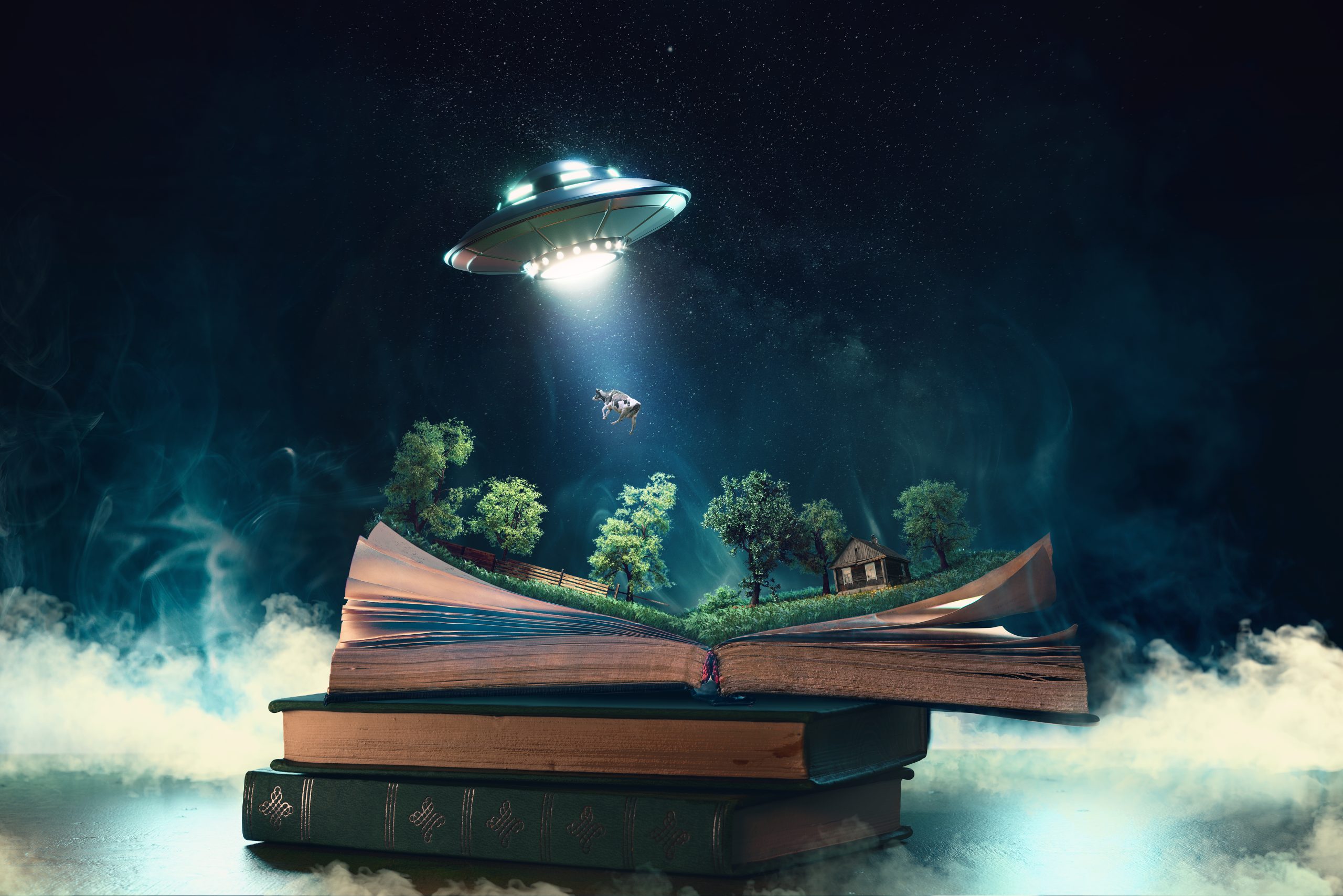
Every science fiction reader remembers the moment a book stopped being a story and became something more. A question that would not leave. A vision of the future that made the present look different. An idea too large to put down after the last page was turned.
That is what science fiction does better than anything else. It does not just entertain, it expands. The imagination. The perspective. The sense of what is possible.
This guide covers the classic titles that built the genre, the modern books dominating community recommendations, the sub genres worth exploring, and the free platforms where anyone can start reading today.
What Is Science Fiction
Where other genres reflect the world as it is, science fiction asks what happens next. It takes real science, real technology, and real human fears and extrapolates them forward into futures that feel both thrillingly distant and uncomfortably close.
That is the promise science fiction makes to every reader. Not just a great story, but a lens. A way of seeing the present more clearly by imagining the future more boldly. It is one of four genres that have shaped the way readers engage with books, and the one that has perhaps pushed those boundaries furthest of all.
Themes That Have Defined the Genre
Science fiction keeps returning to the same questions, not because it cannot move on but because these questions never get fully answered. They are the questions every generation has to wrestle with for itself.
🔧 Technology and the Price of Progress
Science fiction has always asked the same uncomfortable question, not whether we can build it but whether we should. From the first robots to modern artificial intelligence the genre has never stopped asking what we lose in the process of building what we want.
🧬 What It Really Means to Be Human
What happens to humanity when technology starts rewriting it? Science fiction has been asking that question for decades, through cloning, genetic engineering, and artificial intelligence, and the answers get more urgent with every passing year.
🏛️ Power, Freedom, and the Societies We Build
Orwell’s 1984. Huxley’s Brave New World. Le Guin’s The Dispossessed. These books are not predictions, they are warnings. And they have never been more relevant than they are right now.
🚀 The Thrill of Exploration
Exploration is a fundamental theme in science fiction, focusing on humanity’s drive to push boundaries and uncover the unknown. Science fiction turns that drive into story, and makes the unknown feel like somewhere worth going.
🌍 Survival When Everything Familiar Is Gone
At the core of human history we find the survival of humanity, and one of the principal themes of science fiction is about the potential extinction of the human race. These stories are not just about the end of the world. They are about what endures after it, and what that says about who we really are.
Those themes show up differently depending on which corner of science fiction a reader explores. Each sub genre takes the same big ideas and filters them through a completely different lens, offering a different reading experience while asking many of the same fundamental questions.
The Sub Genres of Science Fiction
Science fiction is not a single genre, it is a family of genres. Each sub genre offers a different kind of reading experience and a different kind of promise. Finding the right one is often the difference between a reader who dabbles in science fiction and one who never looks back.
🔬 Hard Science Fiction
For readers who want their imagination grounded in real science. Built on real physics, real biology, and real mathematics, hard science fiction is rigorous, demanding, and unlike anything else in the genre. The reward for keeping up is a reading experience that no other sub genre can match.
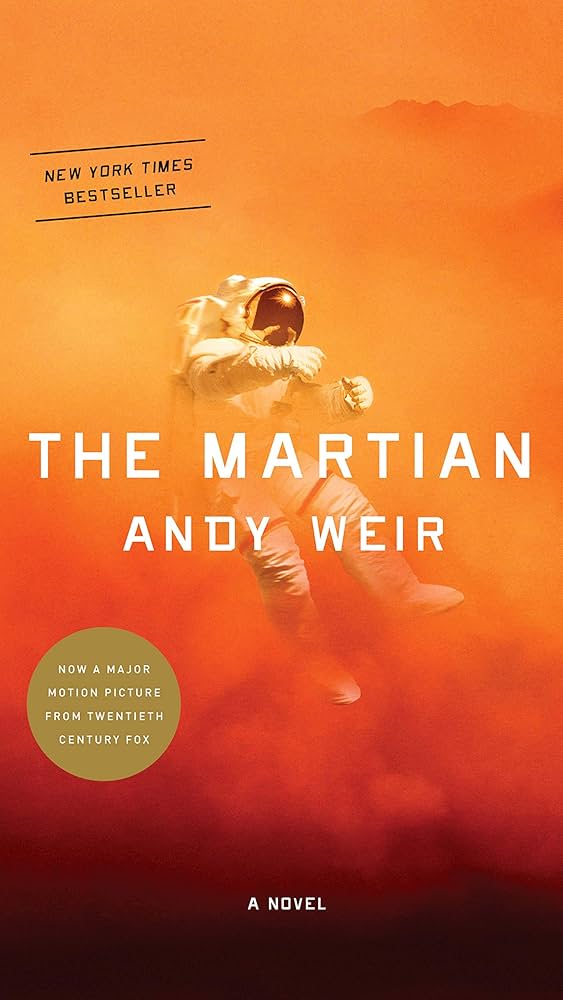
📖 The Martian by Andy Weir: a survival story built entirely on real science that became a global phenomenon.
🧠 Soft Science Fiction
For readers who care more about people than planets. Soft science fiction shifts the focus from hard science to human experience, using speculative settings to explore psychology, sociology, politics, and culture. The science is present but secondary. The story is always about people.
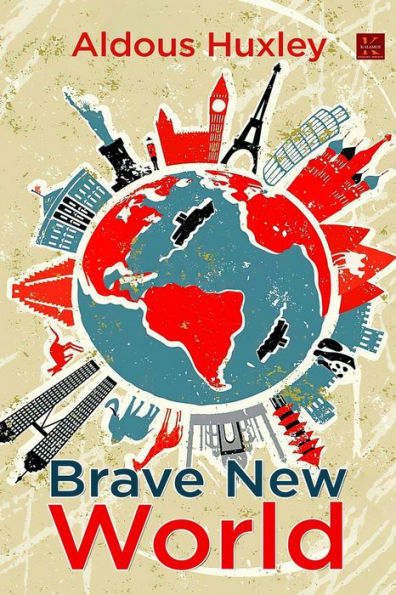
📖Brave New World by Aldous Huxley: explores a futuristic society shaped by technology and social control.
🌌 Space Opera
For readers who want their stories epic, sweeping, and gloriously large. Vast galactic civilizations, interstellar conflict, and stakes that are nothing less than the fate of entire worlds. Science fiction at its most cinematic, and most beloved.
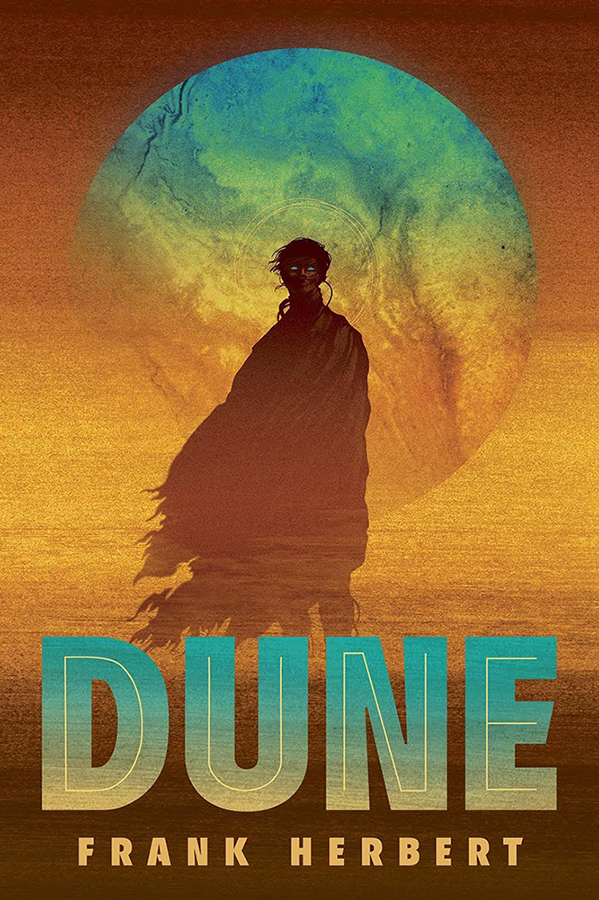
📖Dune by Frank Herbert: the most celebrated space opera ever written and the standard against which every epic science fiction story is measured.
🌑 Dystopian Science Fiction
For readers who want their futures dark and their heroes tested. Dystopian science fiction imagines societies gone wrong, and the people surviving them. It uses imagined futures to hold up a mirror to the present.
📖 1984 by George Orwell: a vision of surveillance and control that has only become more relevant with every passing decade.
💻 Cyberpunk
For readers fascinated by technology, power, and what gets lost between the two. Cyberpunk is science fiction for the digital age, neon lit cities, corporate power, and human beings trying to hold onto something real in a world that keeps replacing the authentic with the artificial.
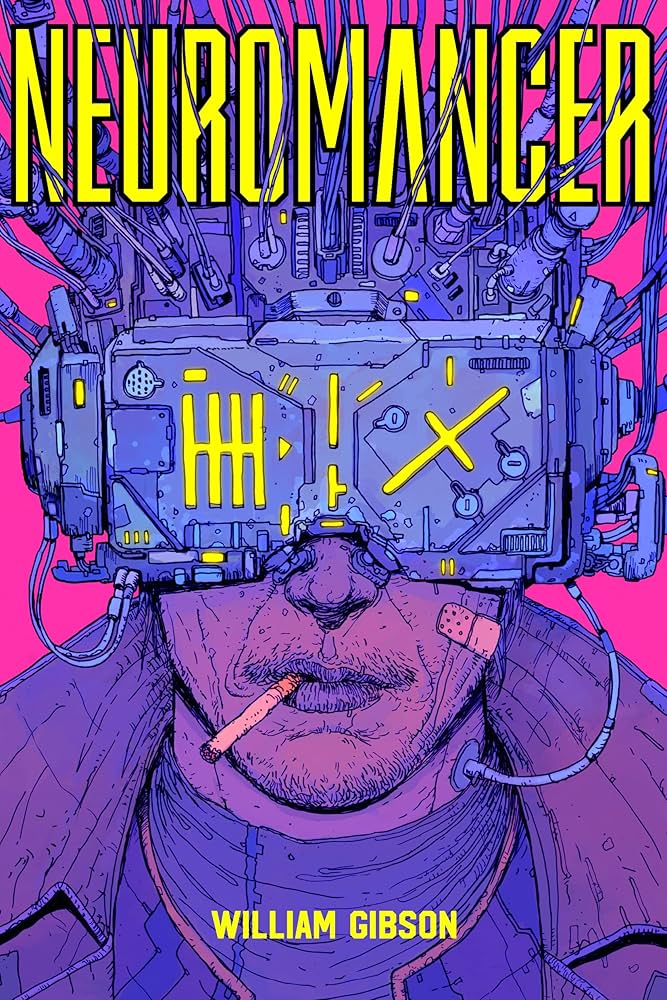
📖 Neuromancer by William Gibson: the book that invented the sub genre and defined its visual and thematic language for everything that followed.
⚔️ Military Science Fiction
For readers who want strategy, sacrifice, and the cost of war. Futures where the weapons have changed but the human cost has not. Military science fiction asks not just how wars are fought, but whether they should be fought at all.
📖Starship Troopers by Robert A. Heinlein: the novel that defined the sub genre and sparked debates about duty, citizenship, and the morality of war that are still running today.
⏳ Time Travel
For readers who want their stories complicated, clever, and endlessly surprising. The sub genre that never runs out of ideas, because every answer opens three new questions. Paradoxes, alternate timelines, and the terrifying consequences of changing the past.
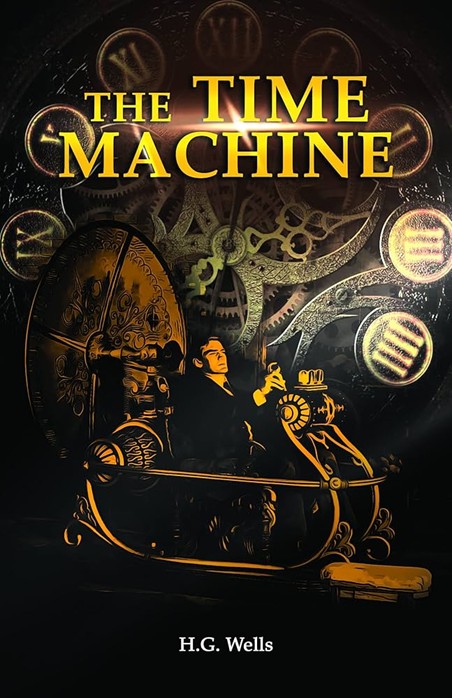
📖The Time Machine by H.G. Wells: the book that invented the concept of mechanical time travel and launched one of science fiction’s most enduring and endlessly inventive sub genres.
🤖 Artificial Intelligence and Robotics
For readers fascinated by the line between human and machine. Stories about consciousness, autonomy, and what happens when the things we build start to think, and want, for themselves. As artificial intelligence reshapes modern life this sub genre has never felt more urgent
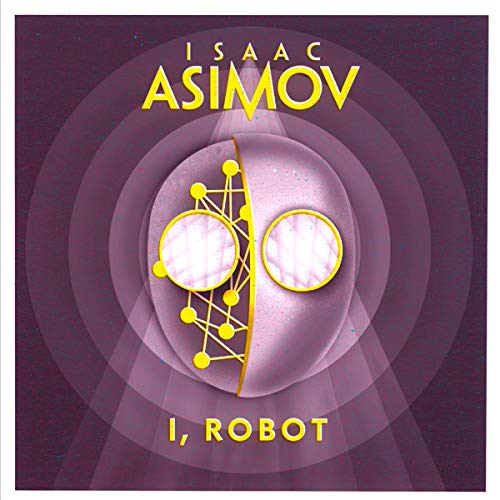
📖I, Robot by Isaac Asimov: the collection that established the foundational rules of robotics in fiction and raised the questions about artificial intelligence that the world is still trying to answer.
🧬 Biopunk
For readers interested in the ethics and consequences of biological science. Biopunk takes the visual and thematic language of cyberpunk and applies it to biology, genetic engineering, synthetic organisms, and the terrifying and fascinating possibilities of rewriting the code of life itself.
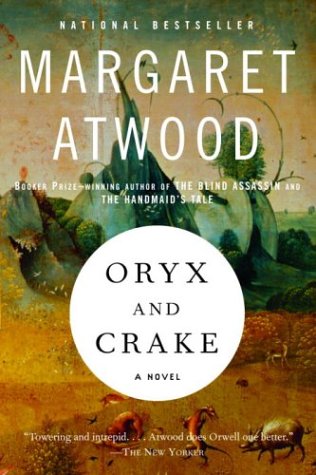
📖 Oryx and Crake by Margaret Atwood: a deeply unsettling and brilliantly imagined story of genetic engineering, corporate power, and the end of the world as we know it.
🌊 Climate and Ecological Science Fiction
For readers who want their futures shaped by the planet we live on. One of the fastest growing sub genres in modern science fiction, stories about climate change, ecological collapse, and the futures that await a world that failed to listen to its own warnings.
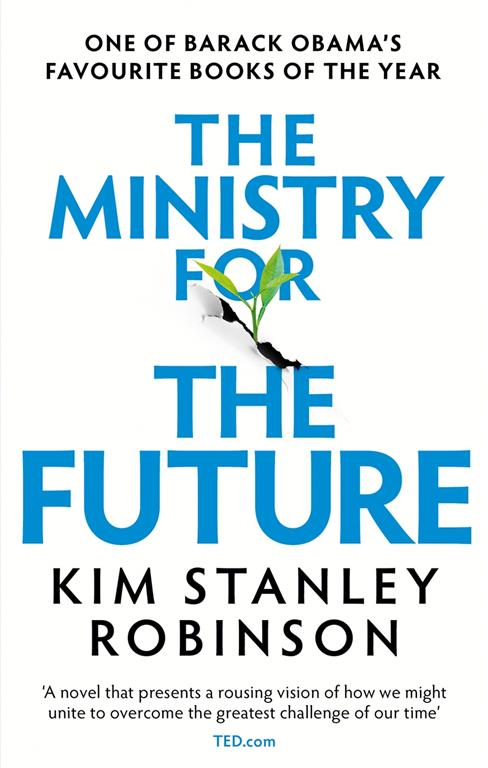
📖The Ministry for the Future by Kim Stanley Robinson: a sweeping and deeply researched vision of the near future that reads less like fiction and more like a warning written from experience.
👽 First Contact
For readers who want to ask the biggest question of all, are we alone? Stories about humanity’s encounter with alien life; the wonder, the misunderstanding, and the danger. The sub genre that forces readers to see humanity from the outside. The view is rarely flattering.
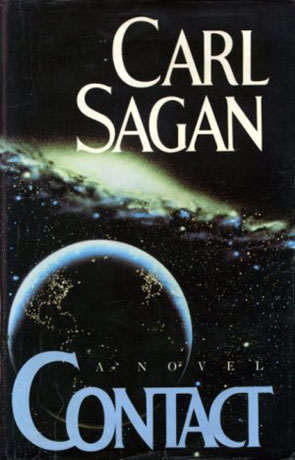
📖 Contact by Carl Sagan: a scientifically grounded story about decoding a message from an extraterrestrial civilization.
Knowing the sub genres makes it easier to find the right entry point. But every reader, regardless of where they plan to go in science fiction, should know the books that built the genre from the ground up.
The Books That Started It All
Some books do not just belong to a genre. They define it. These are the titles that built science fiction from the ground up, and decades later they are still worth reading.
🔥 Fahrenheit 451 by Ray Bradbury (1953) A world where books are burned and thinking is discouraged. A warning about conformity and censorship that readers have never stopped taking seriously, and never should.
🌌 Foundation by Isaac Asimov (1951) A sweeping story of civilization, collapse, and rebuilding. Foundation introduced ideas about history and human behavior that were unlike anything science fiction had attempted before.
🧪 Brave New World by Aldous Huxley (1932) A vision of a future built on comfort and conformity. Brave New World asks a question that has never stopped being uncomfortable, what if the cage is so pleasant that nobody notices it is a cage?
What the Community is Reading: Forum and Reader Recommendations
The best science fiction recommendations rarely come from bestseller lists. They come from communities of passionate readers who have already done the searching, and want to tell everyone what they found.
📚 Community Favorites
- The Hitchhiker’s Guide to the Galaxy by Douglas Adams: the most recommended entry point for new science fiction readers worldwide
- Ender’s Game by Orson Scott Card: a story of strategy and moral complexity that readers return to again and again
- Hyperion by Dan Simmons: consistently cited as one of the greatest science fiction novels ever written
- A Fire Upon the Deep by Vernor Vinge: a sweeping space opera championed by communities as one of the most underappreciated masterworks in the genre
💎 Hidden Gems
- A Psalm for the Wild-Built by Becky Chambers: short, gentle, and impossible to forget
- Flowers for Algernon by Daniel Keyes: one of the most emotionally devastating science fiction stories ever written
- Blindsight by Peter Watts: one of the most intellectually rewarding first contact novels in the genre
- The Long Way to a Small Angry Planet by Becky Chambers: warm, character driven, and endlessly comforting.
Community recommendations reveal what readers love right now. But some science fiction titles did something far more remarkable, they anticipated the world those readers would eventually live in.
Books That Predicted the Future
Science fiction does not try to predict the future, it comments on the present. But the most remarkable titles in the genre have done both. And the results are sometimes unsettling.
- 1984 by George Orwell: Written in 1949. Surveillance states, facial recognition, and the manipulation of truth. The warning was ignored. The technology arrived anyway.
- Neuromancer by William Gibson:Introduced the term cyberspace and predicted artificial intelligence, hacker culture, and virtual reality. The digital world he imagined is now simply called life.
- Frankenstein by Mary Shelley: Foreshadowed genetic engineering, organ transplants, and the confrontation between science and ethics that carries on today.
- Minority Report by Philip K. Dick: A story about predicting crimes before they happen. Algorithms, surveillance technology, and iris scanning have made it more prescient than ever.
Conclusion
The questions science fiction asks have no final answers. What we lose when technology moves faster than wisdom. What consciousness means in a world that keeps rewriting its own rules. What kind of future we are actually building. These questions belong to every generation, and science fiction gives every generation a way to wrestle with them.
New readers keep arriving. Old classics keep finding new audiences. And the communities built around the genre keep the conversation alive with a passion that shows no signs of fading.









Related Posts

Stay Informed With the Latest & Most Important News
Previous Post
Next Post










Advertisement