Now Reading: Fantasy Books: The Ultimate Guide to Every Sub Genre and the Best Titles to Read Next
-
01
Fantasy Books: The Ultimate Guide to Every Sub Genre and the Best Titles to Read Next
Fantasy Books: The Ultimate Guide to Every Sub Genre and the Best Titles to Read Next

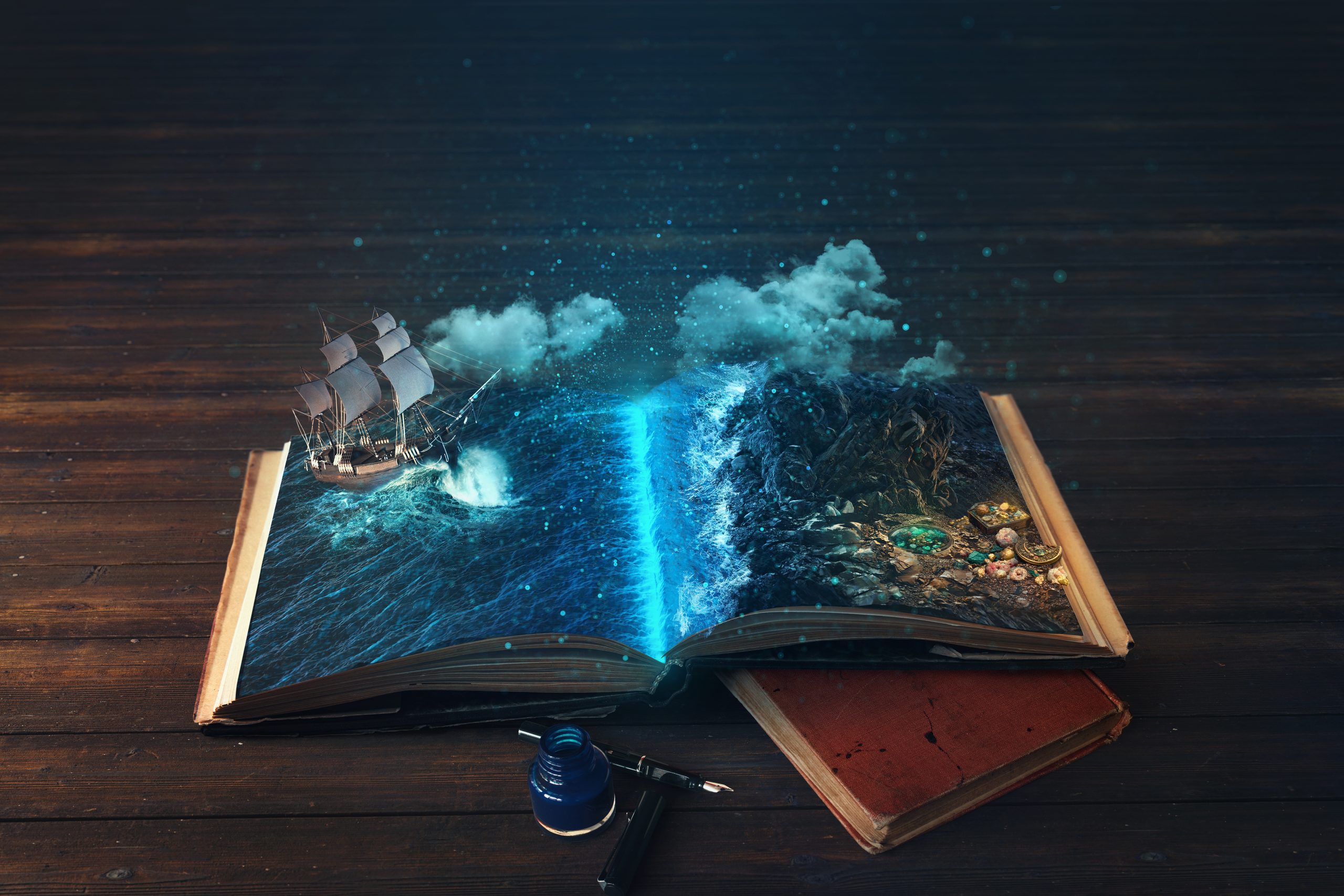
Some genres entertain. Fantasy does something different. It builds entire worlds from nothing, complete with their own histories, languages, mythologies, and rules. It takes the impossible and makes it feel inevitable.
Fantasy has built one of the most passionate reader communities in all of literature. Communities that debate magic systems, map fictional continents, and welcome new readers with genuine enthusiasm.
Because fantasy readers understand something that outsiders often miss, the most extraordinary worlds are often the ones that say the most about the ordinary one.
This guide covers everything a fantasy reader needs, the sub genres worth exploring, the classic titles worth knowing, and how they set the way for future literature.
The Evolution of Fantasy
Fantasy has been telling stories about magic and myth since long before it had a name. It is one of four genres that have fundamentally shaped the way readers engage with books. But the genre as readers know it today was largely shaped by a single book, and a single author who refused to write small.
🧙 Where It Began
J.R.R. Tolkien’s The Lord of the Rings did not just define fantasy. It invented the template that every epic fantasy would either embrace or push against.
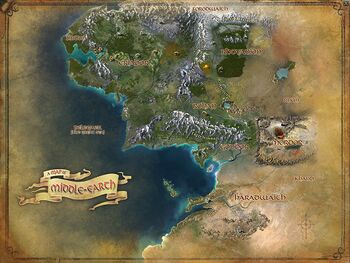
A fully realized world. A mythology. A moral framework built into the geography itself. When it was published in the 1950s it showed readers, and writers, what the genre was capable of. Nothing was ever quite the same again.
⚔️ The Decades That Followed
The decades after Tolkien produced a genre in constant expansion. Le Guin introduced themes of identity and social justice the genre had never explored. Pratchett used fantasy to satirize the real world with a warmth no other writer has matched. And Martin stripped away the genre’s comfort entirely, replacing moral certainty with a world where the good do not always win.
🌍 Fantasy Today
Fantasy today looks nothing like it did fifty years ago. New authors are bringing mythologies, perspectives, and world building traditions that the genre had rarely encountered before, expanding what fantasy can be and who it can speak to. The foundation Tolkien laid is still there. But what has been built on top of it would surprise even him.
The evolution of fantasy is reflected in the themes it keeps returning to. These are not simple themes dressed up in dragon costumes, they are the fundamental questions of human experience, given room to breathe in worlds where anything is possible.
The Themes That Define Fantasy
Fantasy keeps returning to the same questions, not because it lacks imagination but because these questions never get fully answered. They are the questions every generation has to wrestle with for itself.
⚔️ Power and Corruption
Fantasy has always been fascinated by power, who holds it, what it costs, and what it does to the people who pursue it.
From Tolkien’s One Ring to Martin’s Iron Throne, the genre returns again and again to the same uncomfortable truth. Power corrupts. And the people most certain they will use it wisely are often the ones who should be trusted with it least.
💔 Sacrifice and Belonging
The greatest fantasy stories are rarely about the magic. They are about what characters are willing to give up, and what they are fighting to protect.
Family. Home. A world worth living in. The theme of sacrifice runs through almost every celebrated fantasy novel ever written, because it is the theme that makes the stakes feel real.
🪞 Identity and Self Discovery
Fantasy gives characters room to become something they could not have imagined at the start of the story. The orphan who discovers their true heritage. The outcast who finds their place. The ordinary person who turns out to be anything but.
These are not just fantasy tropes, they are reflections of the universal human experience of figuring out who you really are.
🌑 Good vs Evil and the Grey Areas Between
Early fantasy drew clear lines between good and evil. Modern fantasy has spent decades blurring them.
The most celebrated fantasy of the past thirty years is built on the uncomfortable recognition that heroism and villainy are rarely as simple as they first appear, and that the most interesting characters are the ones who exist somewhere in between.
🌟 The Search for Meaning in an Extraordinary World
The decades that followed produced a genre in constant expansion. Le Guin pushed into identity and social justice. Pratchett turned fantasy into satire. And Martin stripped away its comfort entirely, replacing moral certainty with a world where the good do not always win.
The same themes take completely different shapes depending on the sub genre. And fantasy has more sub genres than most readers realize, each one offering a different world, a different tone, and a different way into the same fundamental questions.
The Sub Genres of Fantasy
Fantasy covers more ground than most readers expect. Each sub genre offers a completely different reading experience, and knowing the difference makes it far easier to find the right titles.
⚔️ Epic Fantasy
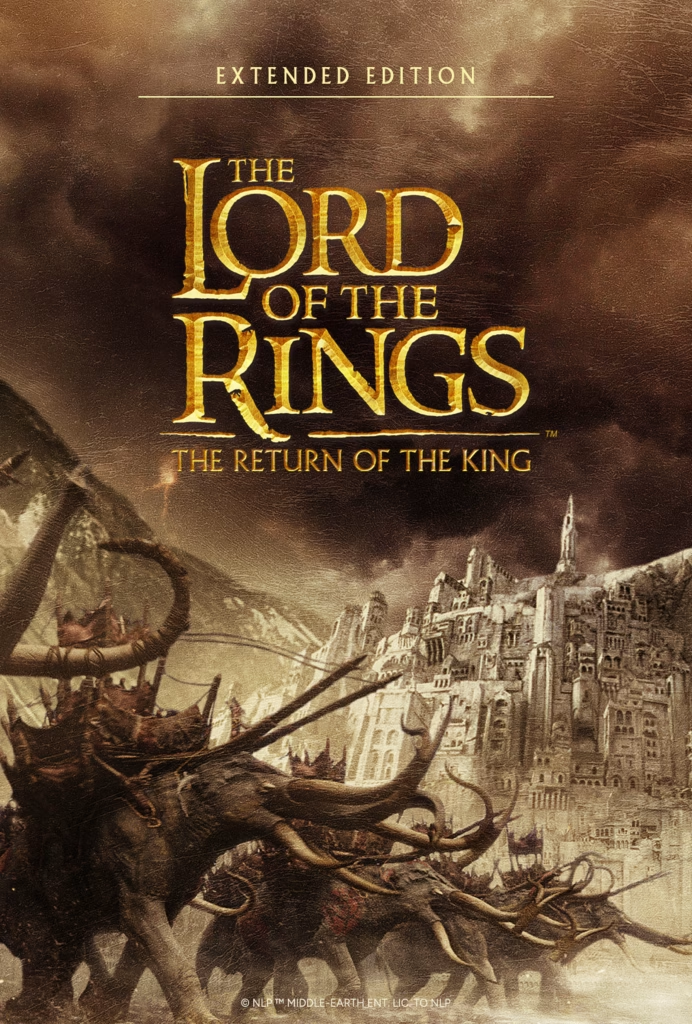
Sweeping world building and civilizational stakes. Entire worlds built from the ground up, with histories, languages, and mythologies that make the reader believe completely. The stakes are civilizational. The journeys are long and the world building is as important as the story itself.
📖The Lord of the Rings by J.R.R. Tolkien
🌑 Dark Fantasy
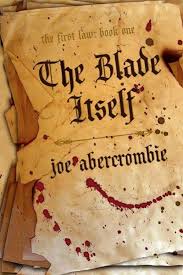
Moral ambiguity and brutal consequences. Heroes are flawed. Villains are understandable. And the world does not always reward the right choices. Dark fantasy combines the magic of traditional fantasy with consequences that feel genuinely earned.
📖The Blade Itself by Joe Abercrombie
🌆 Urban Fantasy
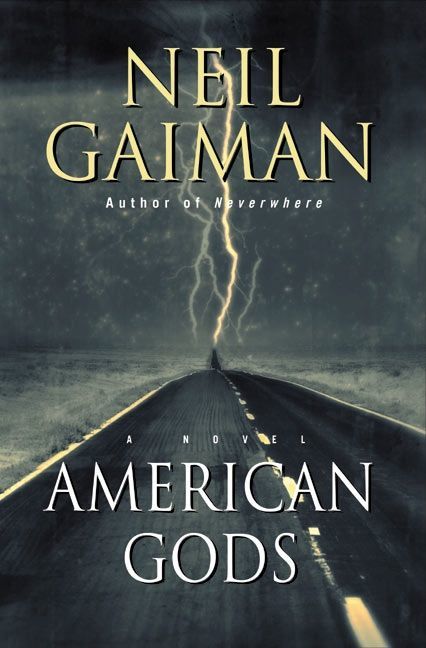
Magic hidden in the modern world. Fantasy creatures and powers placed in contemporary cities, magic living just beneath the surface of everyday life. Once readers start seeing it they cannot stop.
📖 American Gods by Neil Gaiman
💕 Romantic Fantasy
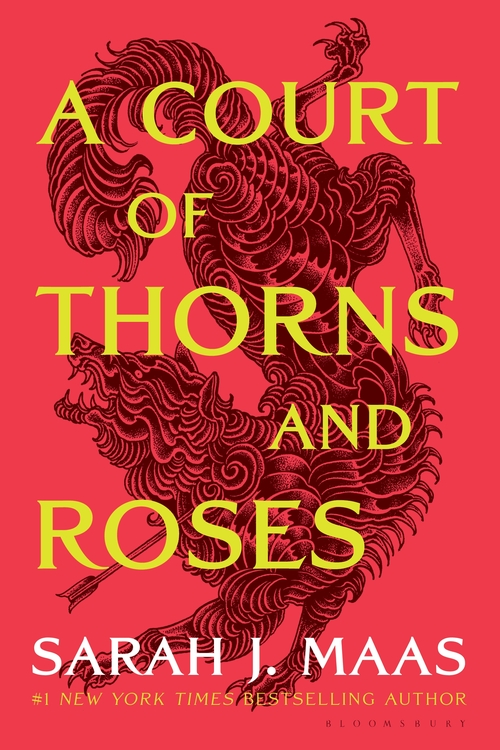
Adventure and emotional depth in equal measure. Fantasy built around a central love story, where the magic of the world and the magic of human connection are equally important.
📖A Court of Thorns and Roses by Sarah J. Maas
🏰 High Fantasy
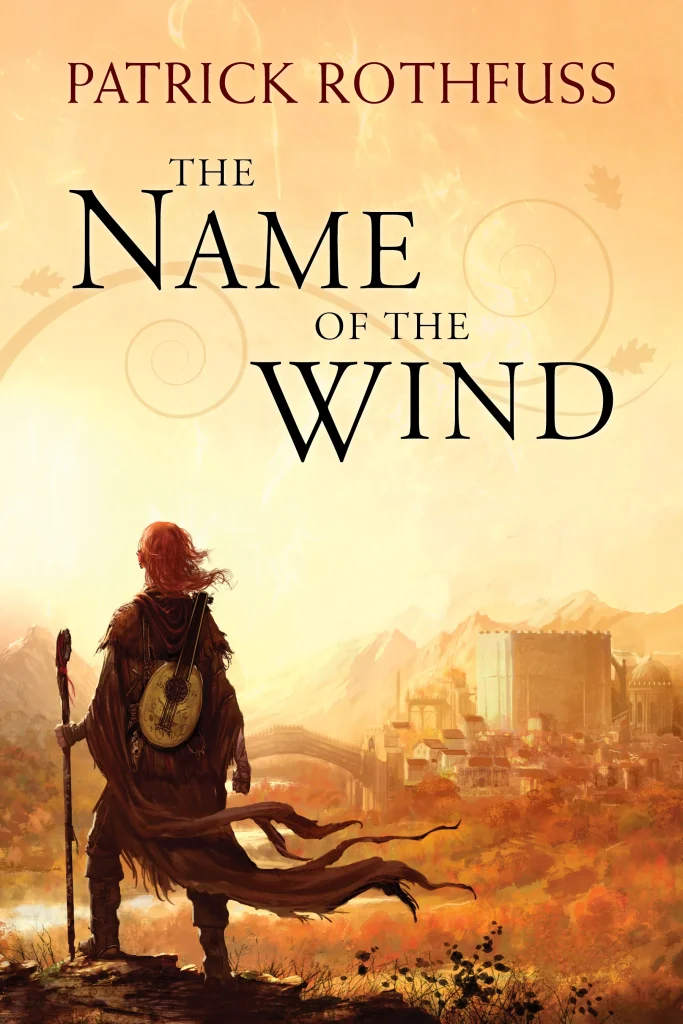
Pure imaginative world building at its most ambitious. Entirely invented secondary worlds built with extraordinary detail and ambition. The sub genre that demands the most from its world building, and rewards readers who invest in it most deeply.
📖The Name of the Wind by Patrick Rothfuss
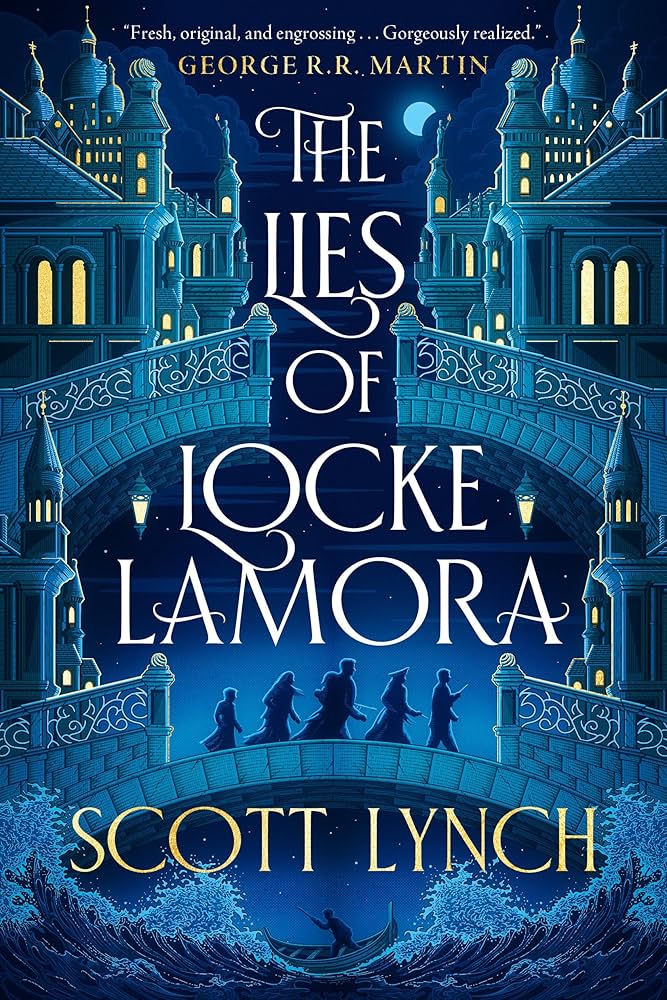
🌿 Low Fantasy
Magic used sparingly in a grounded realistic world. Minimal magic used carefully and deliberately. When it appears it carries genuine weight, because it is not everywhere.
📖The Lies of Locke Lamora by Scott Lynch
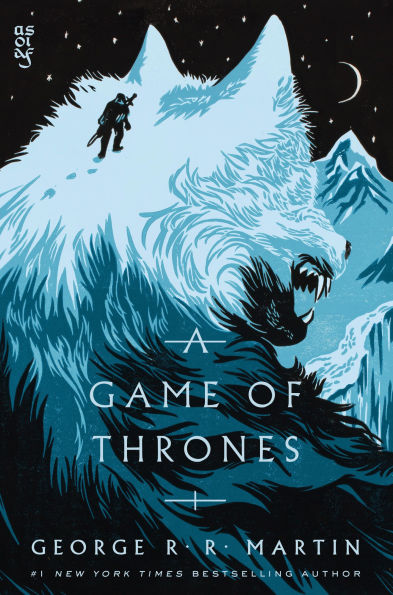
⚫ Grimdark Fantasy
Brutal, morally complex, and uncompromising. No safe heroes. No guaranteed happy endings. No illusions about the cost of violence and power. Grimdark is not for every reader, but for the readers it is for there is nothing quite like it.
📖A Song of Ice and Fire by George R.R. Martin
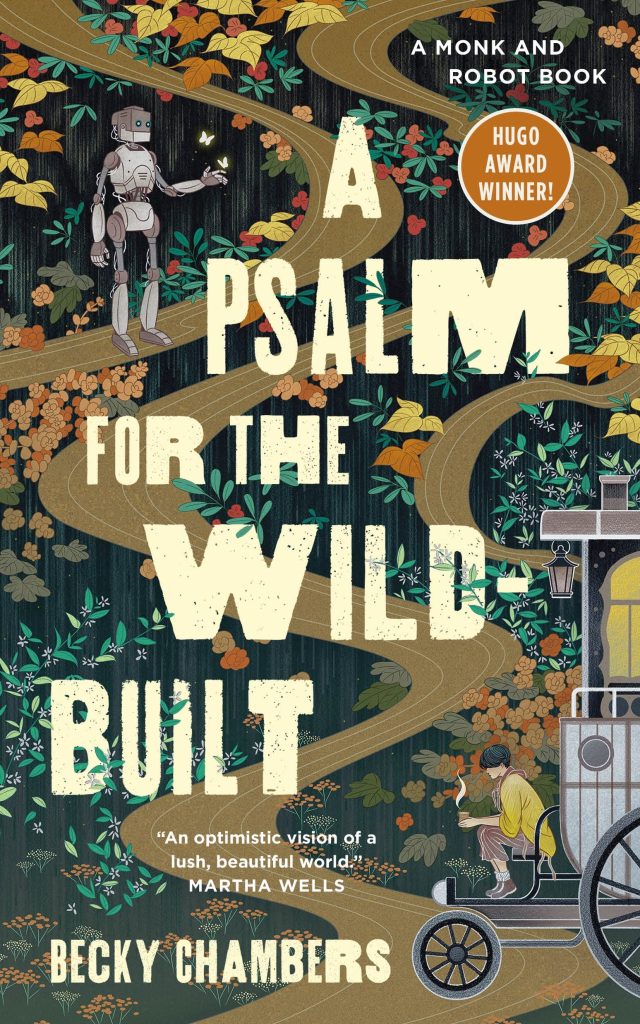
☕ Cozy Fantasy
Warm, gentle, and deeply comforting. Low stakes. Warm characters. Gentle magic. Stories that feel like spending an afternoon somewhere safe and pleasant.
📖A Psalm for the Wild-Built by Becky Chambers
Every sub genre has its own entry points. But before exploring any corner of fantasy, every reader should know the titles that built the genre from the ground up. These are the books that established what fantasy could be. And they are still worth reading today.
The Classic Fantasy Books Every Reader Should Know
Some books do not just belong to a genre. They define it. These are the titles that built fantasy from the ground up, and decades later they are still read, still celebrated, and still capable of transporting readers who think they have seen everything the genre has to offer.
🧙 The Lord of the Rings by J.R.R. Tolkien (1954) The book that invented modern fantasy. A fully realized world with its own languages, histories, and mythologies. Every epic fantasy that followed either embraced the template Tolkien created or pushed against it.
🐉 The Hobbit by J.R.R. Tolkien (1937) Shorter, warmer, and more accessible than its successor,The Hobbit is the perfect entry point into Tolkien’s world. A story about an ordinary person discovering they are capable of something extraordinary.
🦁 The Chronicles of Narnia by C.S. Lewis (1950) Seven books. One wardrobe. A world that has introduced more readers to fantasy than almost any other series in the genre’s history, blending mythology, allegory, and pure adventure in equal measure.
🌊 A Wizard of Earthsea by Ursula K. Le Guin (1968) The book that proved fantasy could be as philosophically rich as any literary novel. Quieter and more interior than Tolkien, and more concerned with the cost of power than its pursuit.
Fantasy By Mood
The right fantasy book at the right moment can be transformative. The wrong one, however well written, can feel like a chore. These recommendations cut through the noise and match the reading experience to the moment.
🗺️ When You Want to Get Completely Lost For the reader who wants to disappear into another world and stay there as long as possible. Big worlds. Long journeys. Details that reward patience and investment.
- The Stormlight Archive by Brandon Sanderson: intricate, immersive, and built for readers who want their fantasy to feel truly epic.
🌑 When You Want Fantasy That Does Not Pull Punches For the reader who wants moral complexity, difficult choices, and a world that does not reward easy heroism.
- Prince of Thorns by Mark Lawrence: a brutal and brilliantly written story told from the perspective of a deeply unsettling protagonist.
💕 When You Want Your Heart Involved as Much as Your Imagination For the reader who wants the emotional stakes to match the magical ones, love stories woven into worlds worth fighting for.
- Kingdom of the Wicked by Kerri Maniscalco: a dark and atmospheric romantic fantasy steeped in Sicilian mythology and impossible to put down
🌟 When You Want Something That Surprises You For the reader who has read widely in the genre and wants something that feels genuinely unlike anything they have encountered before.
- The Bear and the Nightingale by Katherine Arden: a stunning debut rooted in Russian folklore and winter mythology that feels completely unlike anything else in modern fantasy
Conclusion
Fantasy endures because the human need for myth never goes away. Every generation finds in it something different, a world to escape into, a mirror to hold up to their own, or a story that gives shape to feelings they could not otherwise name. The genre has never been more diverse, more ambitious, or more welcoming to new readers than it is today.
The conversation about great fantasy never really ends. New authors keep arriving. New worlds keep being built. And the readers who love the genre keep finding each other, and passing on the books that changed something in them.
FAQs
- Top 10 fantasy books:
Famous fantasy books include The Lord of the Rings, Harry Potter, A Game of Thrones, The Hobbit, and The Chronicles of Narnia. Others often included are The Name of the Wind, Mistborn, The Wheel of Time, Earthsea, and The Way of Kings.
- What are the 4 types of fantasy?
Four common types are high fantasy, urban fantasy, dark fantasy, and historical fantasy. Each type differs in setting and tone, from magical worlds to fantasy set in modern cities.
- Why is fantasy called fantasy?
The word “fantasy” comes from the idea of imagination and things beyond reality. These stories include magic, mythical creatures, and worlds that do not exist in real life.
- What is a romantic fantasy?
Romantic fantasy combines fantasy elements like magic or mythical worlds with a central love story.
- Who is the father of fantasy?
Many consider J. R. R. Tolkien the father of modern fantasy. His books like The Lord of the Rings shaped the modern fantasy genre.










Related Posts
Stay Informed With the Latest & Most Important News
Previous Post
Next Post
Previous Post
Next Post








Advertisement