Now Reading: Books: The Complete Guide to Science Fiction, Horror, Fantasy and Adventure
-
01
Books: The Complete Guide to Science Fiction, Horror, Fantasy and Adventure


Some books change everything. Not in a dramatic way. Not all at once. But quietly, through a character that feels impossibly real, a world that lingers in the mind long after the last page, a story that reframes the way the reader sees things. The best books do that. And the best genres make it happen again and again.
Science fiction. Horror. Fantasy. Adventure. Four genres that have defined literature for generations, each one built on a different kind of promise. The promise of a future worth imagining. A fear worth confronting. A world worth getting lost in. A journey worth taking.
This guide covers all four, the titles that defined them, the themes that drive them, and the free online platforms where anyone can start reading today.
What Makes a Great Book
Not every book earns a place in the memory. Most are read and set aside. The ones that stay share something specific, and research is beginning to explain why certain books affect readers as deeply as they do.
❤️ Emotional Depth
The books that resonate most make readers feel something genuine. Research shows that when we read about a certain experience our brain lights up in the same places as when we actually experience those things, which explains why a deeply emotional scene can feel as real as a lived memory.
It is what makes the final chapters of Charlotte’s Web feel like genuine childhood loss. What makes the quiet unraveling of Anna Karenina impossible to look away from. And what makes readers reach the last line of A Little Life and sit in silence, unable to immediately return to the world outside the book.
🌍 World Building
The greatest books create worlds that feel completely lived in. The experience of being immersed while reading is called narrative absorption, and researchers believe that mentally transporting ourselves away from our physical surroundings can provide an escape or opportunity for meaningful contemplation.
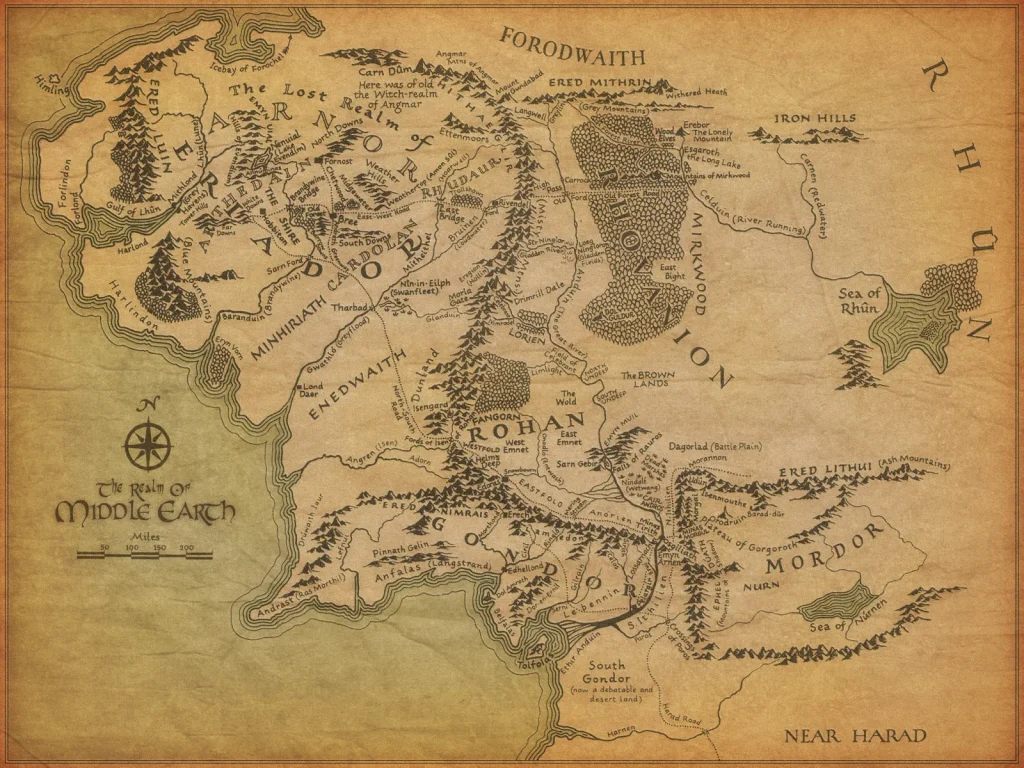
Tolkien’s Middle Earth and Herbert’s Dune are the most celebrated examples, worlds so vividly constructed that readers have spent decades mapping, debating, and returning to them. The best world building does not just support the story. It becomes inseparable from it.
👤 Characters That Feel Real
Memorable books are built on memorable characters. Numerous studies show that reading fiction boosts empathy and emotional intelligence, allowing readers to walk in a character’s shoes, recognize their own emotions on the page, and see how different complex relationships can unfold. Characters do not need to be likeable. They need to feel real, and the best ones do.
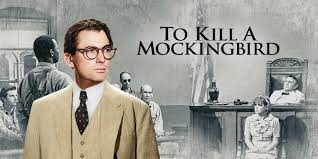
Atticus Finch in To Kill a Mockingbird. Elizabeth Bennet in Pride and Prejudice. Holden Caulfield in The Catcher in the Rye. These characters have outlasted their own stories because they feel like people rather than constructions. Readers do not need to agree with them or even like them. They just need to believe in them, and the best characters make that belief effortless.
📖 Stories That Stay
The most enduring books leave something behind long after the last page. Regular readers report better sleep, less stress, higher self esteem, and lower rates of depression than non readers. And the stories that stay longest are the ones that challenged, moved, or showed readers something about themselves they had not previously seen.
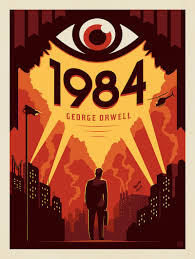
Orwell’s 1984 gave readers a vocabulary for surveillance that entered the cultural conversation permanently. Lee’s To Kill a Mockingbird reframed how a generation thought about justice. The greatest books do not end when the last page is turned, they continue in the mind of everyone who has ever read them.
Understanding what makes a great book is one thing. Finding the right genre to experience it is another. The four genres that follow have each produced titles that meet every standard outlined above, starting with the one that has pushed the boundaries of human imagination further than any other.
Science Fiction Books
Science fiction is the genre that asks the questions nobody else is willing to ask. What happens when technology outpaces humanity? What does it mean to be human in a world that keeps redefining the answer? What kind of future are we building, and do we actually want to live in it? These are not comfortable questions. And science fiction books have never been interested in comfortable answers.
🚀 What Science Fiction Is and Why It Endures
Science fiction is a genre built on possibility. It takes the world as it exists, the science, the technology, the social structures, and asks what happens next. Sometimes the answer is hopeful. Sometimes it is a warning. Often it is both at the same time.
What makes science fiction endure is its ability to use imagined futures to illuminate present realities. The best science fiction is never really about the future. It is about right now, refracted through a lens that makes familiar problems easier to see and harder to ignore.
🌌 The Themes That Define the Genre
Science fiction returns to certain themes again and again, each one reflecting a deep and enduring human concern:
- Technology and its consequences: what we build, what it costs us, and what we lose along the way.
- Identity and humanity: what makes us human and whether that definition can survive what is coming.
- Power and society: who controls the future and what happens to everyone else.
- Exploration and the unknown: the drive to go further, discover more, and understand what lies beyond the horizon.
- Survival and adaptation: how humanity responds when the world it built stops working.
📚 Community Recommended Titles: Classic and Modern
These are the titles that appear most consistently in reader recommendations, forum discussions, and community lists, the books that science fiction readers return to again and again and keep telling others to read.
- 1984 by George Orwell: A vision of surveillance, control, and the destruction of truth that has only become more relevant with every passing decade.
- Project Hail Mary by Andy Weir: Widely considered one of the best science fiction novels of the modern era by reader communities worldwide. A story of memory, discovery, and an unlikely friendship in the furthest reaches of space.
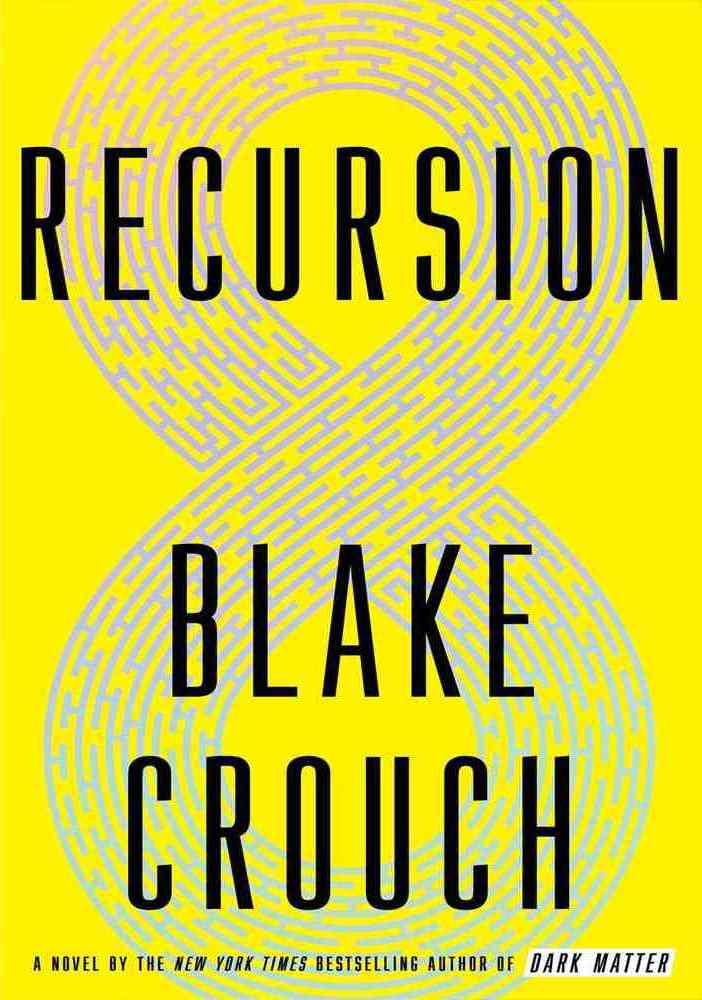
- Recursion by Blake Crouch: A thriller paced science fiction novel about memory, time, and the terrifying consequences of trying to fix the past.
Science fiction books ask what the future holds. Horror books ask what lives in the dark corners of the present. Where science fiction looks outward, at galaxies, civilizations, and the possibilities of tomorrow, horror looks inward, at the things that keep readers awake long after the book is closed.
Horror Books
Horror is the genre that goes where other genres will not. Into the dark. Into the fear. Into the parts of human experience that are uncomfortable to examine in daylight but impossible to ignore in the middle of the night.
It is also one of the most misunderstood genres in literature. Horror is not just about scaring the reader. At its best it is about using fear to explore the things that matter most, loss, grief, identity, the fragility of the world we think we know.
🕯️ What Horror Is and Why It Endures
Horror endures because fear is universal. Every generation faces its own anxieties, about technology, about society, about the unknown, and horror gives those anxieties a shape and a name. Reading about fear in a safe environment allows readers to process emotions and experiences they might otherwise have no outlet for.
The genre has produced some of the most influential and culturally significant books ever written, titles that have entered the mainstream consciousness and refuse to leave. Horror does not just entertain. It reveals.
🌑 The Themes That Define the Genre
Horror returns to certain themes that tap into the deepest human fears:
- The supernatural: ghosts, demons, and forces beyond human understanding that challenge the boundaries of what is possible.
- The unknown: the terror of what cannot be seen, explained, or controlled
- Isolation: being cut off from safety, from others, from reality itself.
- Identity and transformation: the fear of losing oneself or becoming something unrecognizable.
- Grief and loss: horror as a vehicle for processing the things we cannot let go of.
- The monster within: the most unsettling horror is often not the creature outside but the darkness inside.
📚 Popular Titles and Collections Worth Purchasing
These are the horror titles and collections that readers, communities, and critics return to most consistently, books worth owning, gifting, and reading more than once.
- It by Stephen King: The most celebrated horror novel ever written. A story about childhood fear, memory, and an ancient evil that feeds on the things that terrify us most. Essential reading for anyone serious about the genre.
- Dracula by Bram Stoker: The novel that defined vampire fiction and shaped horror literature for over a century. Still unsettling. Still essential.
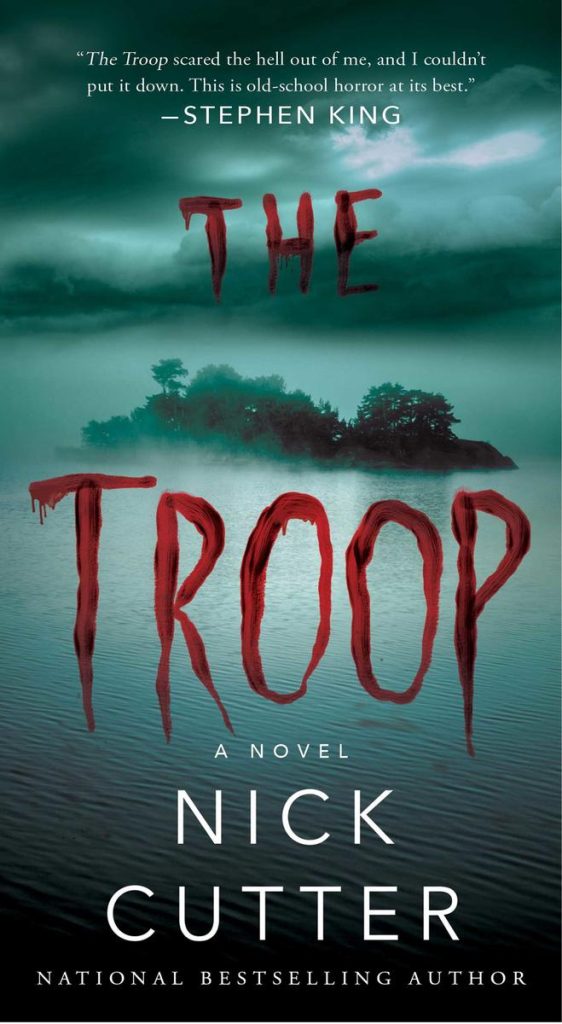
- The Troop by Nick Cutter: Visceral, relentless, and deeply unsettling. Consistently recommended in horror communities as one of the scariest novels of the modern era.
Horror takes the familiar and makes it terrifying. Fantasy books take the impossible and make it believable. They are two very different promises, but both deliver something that no other genre can. And for readers ready to trade fear for wonder, fantasy is where the journey continues.
Fantasy Books
Fantasy is the genre of limitless imagination, worlds that could not exist and yet feel more real than the one outside the window. It is also the most diverse genre in literature, sprawling across sub genres so different that two fantasy readers can share a passion for the genre and have almost no titles in common.
🏰 What Fantasy Is and Why It Endures
Fantasy endures because the human need for myth never goes away. Every culture in history has told stories about magic, heroes, and worlds beyond the ordinary, and fantasy is the modern continuation of that tradition.
The greatest fantasy novels are never really about magic or dragons. They are about power and corruption, sacrifice and belonging, and what people are willing to become to protect the things they love. The fantasy is the vehicle. Humanity is the destination.
✨ The Sub Genres Within Fantasy
Fantasy is not a single genre, it is a family of genres, each offering a different reading experience.
- ⚔️ Epic Fantasy: sweeping world building, civilizational stakes, and stories that reward deep investment.
- 🌑 Dark Fantasy: moral ambiguity, brutal consequences, and a world that does not always reward the right choices.
- 🌆 Urban Fantasy: magic hidden beneath the surface of the modern world.
- 💕 Romantic Fantasy: adventure and emotional depth in equal measure, built around a central love story
📚 Titles Worth Exploring
- The Lord of the Rings by J.R.R. Tolkien: The book that defined the genre
- A Court of Thorns and Roses by Sarah J. Maas:The most discussed romantic fantasy series of the modern era
- The Blade Itself by Joe Abercrombie: A darkly brilliant deconstruction of epic fantasy
Fantasy invites readers to get lost in worlds of their own imagination. Adventure books send them somewhere altogether different, into jungles, across oceans, and through dangers that feel immediate, physical, and impossible to put down. The next genre does not ask for belief. It asks for courage.
Adventure Books
Adventure is the oldest genre in storytelling. Long before fantasy built its kingdoms or horror named its fears, there were stories of journeys. Of survival. Of ordinary people pushed into extraordinary circumstances and discovering what they were made of along the way. That formula has never stopped working. And it never will.
🌍 What Adventure Is and Why It Endures
Adventure endures because the desire to explore is fundamental to human nature. The best adventure books tap into something primal, the thrill of the unknown, the satisfaction of survival, and the quiet revelation that comes from being tested by the world and coming out the other side changed.
Adventure is also the most accessible genre in literature. It requires no prior knowledge of magic systems or science fiction concepts. It asks only one thing of the reader, to come along for the journey.
✨ The Sub Genres Worth Knowing
Adventure covers more ground than most readers expect, and knowing the sub genres makes it easier to find the right entry point.
- ⚔️ Action Adventure: fast paced, plot driven stories built around danger, conflict, and relentless momentum
- 🌊 Survival Adventure: characters fighting to stay alive against nature, isolation, or extreme circumstances
- 🗺️ Exploration Adventure: journeys into unknown territory, lost civilizations, and forgotten worlds
- 🔍 Historical Adventure: adventure set against the backdrop of real historical events and periods
📚 Popular Adventure Titles Worth Purchasing
These are the adventure titles that readers, communities, and critics return to most consistently, books worth owning individually or collecting as sets.
- Treasure Island by Robert Louis Stevenson: The adventure novel that defined the genre. Pirates, buried treasure, and a coming of age story that has captivated readers for over a century.
- The Count of Monte Cristo by Alexandre Dumas: A sweeping story of betrayal, imprisonment, and the most satisfying revenge in all of literature. One of the greatest adventure novels ever written.
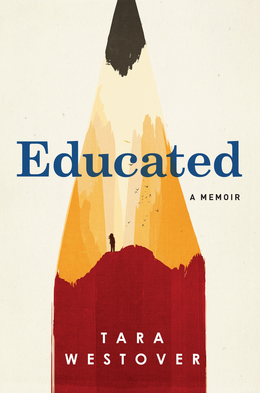
- Educated by Tara Westover: A memoir of survival, self discovery, and the extraordinary journey of a woman who educated herself out of a world that had tried to keep her in it.
The books covered in this guide span centuries of storytelling, from Victorian adventure classics to modern science fiction phenomena. The good news is that many of them are available to read right now, completely free, on platforms designed to make great literature accessible to everyone.
Where to Read Books Online for Free
Great books should be accessible to everyone, and the good news is that thousands of titles across every genre covered in this guide are available to read completely free online. These platforms make it possible to start reading today without spending a penny.
📱 The Best Free Platforms for Reading Books Online
| Platform | What It Offers |
| Project Gutenberg | Thousands of free classic titles across all genres |
| Open Library | Borrow and read books online completely free |
| Standard Ebooks | Beautifully formatted free classic books |
| ManyBooks | Free ebooks across sci fi, horror, fantasy and adventure |
| Librivox | Free audiobooks of classic titles |
| Feedbooks | Free public domain and original ebooks |
| Planet eBook | Free classic literature in clean readable formats |
🔍 Which Platform Is Right for You
Each platform serves a slightly different reading need, and knowing the difference makes it easier to find exactly what you are looking for.
- Project Gutenberg is the largest and most established free ebook library online, the best starting point for anyone looking for classic titles across any genre
- Open Library is the best option for readers who want access to a broader range of titles including some more recent releases, borrowing works similarly to a traditional library
- Standard Ebooks is the best choice for readers who care about formatting and presentation, every book is carefully edited and beautifully designed
- ManyBooks is the best platform for genre readers specifically, with a well organized catalog covering science fiction, horror, fantasy, and adventure
- Librivox is the best option for readers who prefer to listen, every audiobook is completely free and read by volunteers worldwide
- Feedbooks offers a mix of public domain classics and original ebooks, a good platform for readers looking to discover something outside the mainstream
- Planet eBook is the best choice for readers who want clean and distraction free versions of the most celebrated classic titles
How to Find Your Next Favorite Book
Finding a great book is sometimes easy. Finding the right book at the right moment, the one that hits exactly the way a reader needs it to, is a different challenge entirely. These are the strategies that work.
🎭 How to Choose the Right Genre for Your Mood
Different genres serve different emotional needs, and matching the right genre to the right moment makes all the difference.
- Reach for science fiction when you want your mind challenged, when you are curious about the future, interested in big ideas, or looking for a story that makes you think differently about the world you live in
- Reach for horror when you want to feel something intense, when you are in the mood for tension, dread, and the particular satisfaction of being genuinely unsettled by a story
- Reach for fantasy when you want to escape completely, when the real world needs to disappear for a while and something bigger and more magical needs to take its place
- Reach for adventure when you want to move, when you need a story that pulls you forward, keeps the pages turning, and delivers the thrill of a journey from beginning to end
💬 Communities and Resources for Book Lovers
Some of the best book recommendations come not from critics or bestseller lists but from communities of passionate readers who have already done the searching.
- Goodreads: the largest online community for readers worldwide. Track what you have read, discover what others are reading, and find recommendations tailored to your taste
- Reddit r/books and r/Fantasy: active communities where readers share recommendations, discuss titles, and debate the best books in every genre
- StoryGraph: a Goodreads alternative with more detailed mood and theme based filtering, ideal for readers who want recommendations based on how a book feels rather than just what it is about
- LibraryThing: a community cataloguing tool that helps readers organize their libraries and discover titles based on what they already love
🔀 How to Explore Across Genres
The readers who find the most books they love are rarely the ones who stay in a single genre. A few strategies for exploring beyond familiar territory:
- Start with a crossover title, books like The Martian blend science fiction with adventure, making them ideal entry points for readers from either genre
- Follow an author rather than a genre, many of the best authors write across multiple genres and following their work is one of the most reliable ways to discover something new
- Use mood as the guide rather than genre labels, platforms like StoryGraph allow readers to search by emotional tone rather than category
💎 Tips for Discovering Hidden Gems
The most memorable reading discoveries are rarely the books at the top of the bestseller list. A few reliable ways to find the titles that most readers miss:
- Browse award shortlists rather than winners, the books that almost won are often more interesting than the ones that did
- Ask in communities for underrated recommendations rather than best of lists, readers love sharing the books they feel deserve more attention
- Explore translated fiction, some of the most original and celebrated books of recent years have come from outside the English language publishing world
- Read the debut novels of authors whose later work you already love, early work is often more raw, more personal, and more surprising than the polished titles that followed
Conclusion
Science fiction. Horror. Fantasy. Adventure. Four genres that have defined literature for generations, and show no signs of slowing down. They endure for the same reason all great stories endure.
Because they feel real in the ways that matter most. Because they carry emotional depth, unforgettable characters, and worlds that stay in the mind long after the last page is turned. Because every generation finds in them something that speaks directly to the moment they are living in.
The conversation about great books never really ends. New titles are written. New readers discover old favorites. And the debates about which books are the greatest, the most frightening, the most imaginative, the most thrilling, have been running for decades and show no signs of stopping. The only thing left to do is start reading. Pick a genre. Pick a title. Open the first page. The rest takes care of itself.
FAQs
- What are the top 10 best books?
Lists vary, but popular picks include To Kill a Mockingbird, 1984, Harry Potter, and The Great Gatsby. These books are celebrated for storytelling, influence, and lasting appeal.
- Why do books have 10 9 8 7 6 5 4 3 2 1?
Numbers show a popularity or sales order, with 10 being lower and 1 the top. This helps readers quickly see which books are most recommended or bestselling.
- What are the 5 benefits of reading books?
- Reading improves vocabulary
- comprehension,
- reduces stress,
- boosts imagination.
- It also enhances focus and concentration while increasing knowledge across topics.
- What genre are horror books?
Horror books are a fiction genre designed to scare, thrill, or unsettle readers.
They often include supernatural events, psychological tension, or suspenseful plots.
Related Posts
Stay Informed With the Latest & Most Important News
Previous Post
Next Post







Advertisement