
Now Reading: Anime Explained: A Complete Guide to Its History, Culture, and Most Iconic Characters
-
01
Anime Explained: A Complete Guide to Its History, Culture, and Most Iconic Characters
Anime Explained: A Complete Guide to Its History, Culture, and Most Iconic Characters

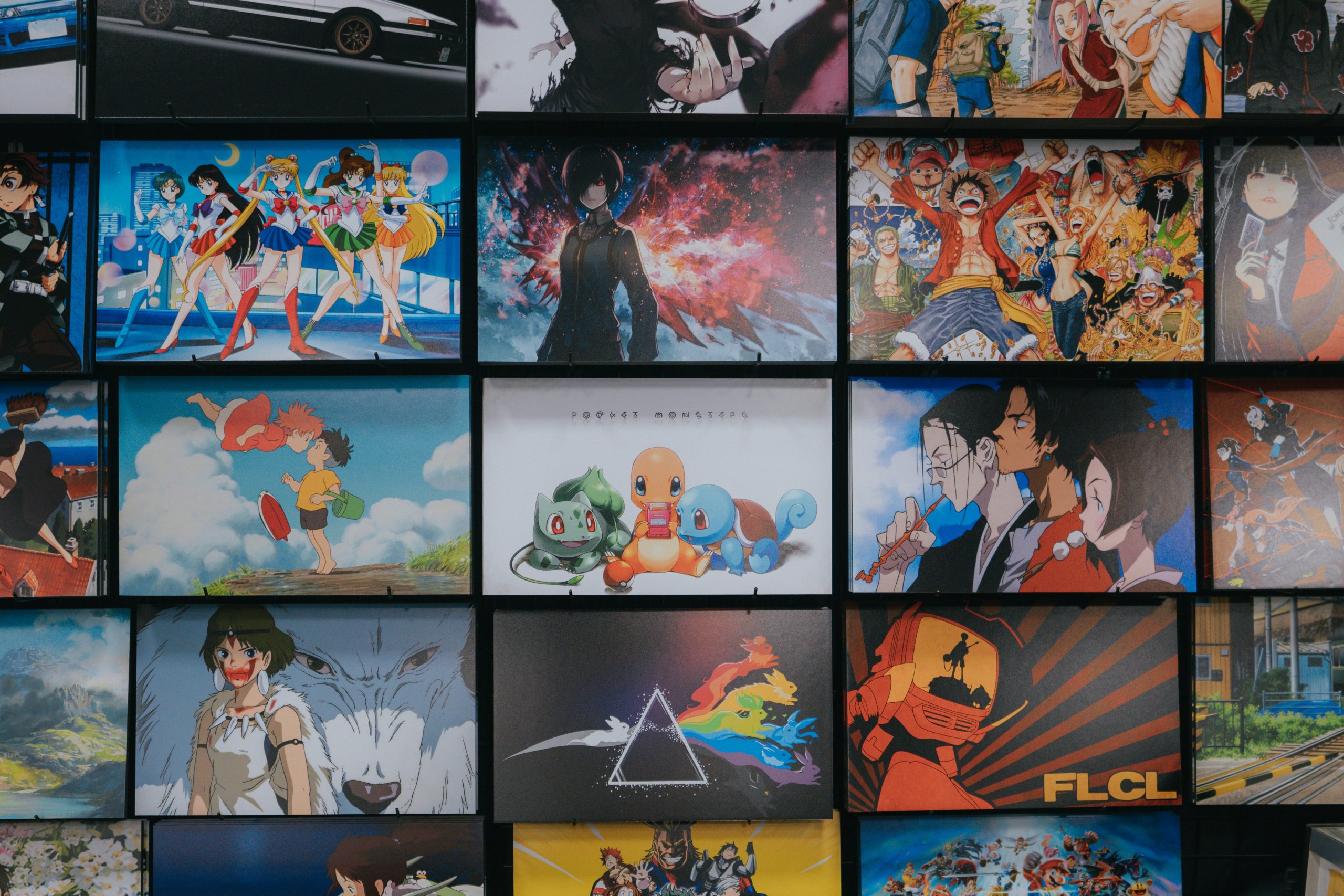
Some stories are so powerful they cross every border, language, and cultural boundary. Anime is one of them.
From a teenager in Tokyo to a student in Cairo, anime has found its way into the lives of millions of people around the world. It is watched, debated, cosplayed, and celebrated across every continent. For many people it is not just entertainment. It is a passion.
At its core, anime is a style of animation that originated in Japan, covering every genre imaginable and tackling big themes like friendship, identity, loss, and courage in ways that feel real and unforgettable.
Today anime is everywhere, on every major streaming platform, in fashion, music, and mainstream pop culture, and in conversations between fans who have never met but share the same passion for the same stories.
This guide covers everything, the history of anime, why it matters culturally, the genres that define it, and the characters that have become icons. Whether you are discovering anime for the first time or looking to understand it more deeply, this is the place to start.
What Is Anime
Anime is a style of animated storytelling that originated in Japan. The word itself is widely believed to be a Japanese abbreviation of the English word animation, though its exact origin remains a matter of some debate. Today anime refers to a distinct visual and narrative style that is recognized and celebrated worldwide.
At its most basic level, anime is animation. But calling it just animation is a little like calling a novel just words. The format is familiar, but what is done with it is something else entirely.
More Than Just Cartoons
Most people grow up with Western animation, cartoons designed primarily to entertain, with simple storylines and characters that rarely change or grow.
Anime works differently. Characters develop over time. Themes go deeper, exploring grief, morality, and identity in ways Western animation rarely attempts. The visual style is distinct too, expressive eyes, detailed backgrounds, and an artistic attention to emotion that gives every scene a specific mood and tone.
Both can tell great stories. But they approach storytelling from very different directions, and that difference is a big part of what makes anime feel so unique.
A Medium Without Limits
Anime is not a genre or a category of cartoon. It is a medium, as broad and varied as film or literature, with stories for every kind of audience.
Lighthearted or dark. Action packed or quietly reflective. The range is extraordinary, and that range is what allows anime to connect with such a wide and diverse global audience.
What unites all of it is a commitment to visual storytelling that treats the audience, regardless of age, as capable of handling depth, complexity, and emotion.
That identity did not emerge by accident. It was built over decades through creative experimentation and the work of visionaries who refused to treat animation as anything less than serious storytelling.
The History of Anime
Anime did not appear overnight. It grew slowly, shaped by artists, studios, and cultural forces that built something entirely new from the ground up, and then watched it spread across the world.
Where It All Began
The roots of anime stretch back to the early twentieth century, when Japanese filmmakers began experimenting with animation techniques inspired by Western studios like Disney. The earliest known Japanese animated films date back to 1917, short, simple works that laid the creative groundwork for everything that followed.
In the postwar period of the 1940s and 1950s, Japanese animation began developing its own distinct identity. Limited budgets pushed animators to find creative solutions, simplified character designs, expressive eyes, and a focus on emotion over movement. These constraints became defining characteristics rather than limitations.
The Decades That Shaped Anime
Every decade left its mark. Each one pushed anime further, in ambition, in reach, and in the stories it dared to tell.
- The 1960s: Where It All Changed
Osamu Tezuka brought Astro Boy to Japanese television screens in 1963. It was the first serialized anime series ever broadcast, and it changed the medium forever.
Tezuka established the visual language that still defines anime today. Large expressive eyes. Cinematic compositions. Emotionally driven storytelling. Everything that makes anime look and feel the way it does traces back to this decade.

- The 1970s and 1980s: The Rise of Giants
Anime expanded rapidly and boldly. Mecha anime, giant robots, futuristic battles, and epic conflicts, became the defining genre of the era. Series like Mobile Suit Gundam and Macross captured the imagination of an entire generation. The industry was growing. The audience was growing. And the ambition behind every series was growing with them.

- The 1990s: The Golden Era
This was the decade that produced legends. Dragon Ball Z dominated television screens across the world. Neon Genesis Evangelion redefined what anime could be. Studio Ghibli, founded by Hayao Miyazaki and Isao Takahata, was creating films so visually stunning and emotionally powerful that they are still celebrated as masterpieces today.
- The 2000s and Beyond: Going Global
Naruto. One Piece. Bleach. These were no longer just Japanese series. They were global phenomena. The rise of streaming platforms in the 2010s accelerated everything. Suddenly anime was accessible to anyone, anywhere, at any time. The audience exploded. And anime has never looked back.
The Studios and Pioneers That Built the Industry
Behind every iconic anime series is a studio that took a creative risk and a pioneer who pushed the medium forward.
The Studios
- Studio Ghibli: The most celebrated anime studio in the world. Known for Spirited Away, My Neighbor Totoro, and Princess Mononoke, films that transcend animation and stand among the greatest stories ever told.
- Toei Animation: One of the oldest and largest anime studios in existence. Responsible for some of the biggest names in anime history, Dragon Ball, Sailor Moon, and One Piece.
- Madhouse, Bones, and MAPPA: The powerhouses of the modern era. Between them they have produced some of the most visually stunning and critically acclaimed series of the last two decades.
The Pioneer
Osamu Tezuka: At the center of it all stands one name. The visionary whose work in the 1960s established the foundation that every anime creator since has built upon. Without Tezuka there is no modern anime. It is as simple as that.
From Japan to the World
Anime began as a distinctly Japanese art form, rooted in Japanese culture, aesthetics, and storytelling traditions. Nobody could have predicted what it would become.
By the 1990s it had crossed its first borders. By the 2000s it was a global industry. Today it is streamed by hundreds of millions of people, celebrated at conventions on every continent, and recognized as one of Japan’s most significant cultural exports.
What started in a small Tokyo studio in 1917 has become a worldwide phenomenon. One art form. One hundred years. An audience that never stops growing.
Why Anime Matters: Cultural Significance
Anime is not just entertainment. It is a window into a culture, a mirror for universal human experience, and a creative force that has left its mark on the world in ways that go far beyond the screen. It is a medium that reflects Japanese culture and crosses over borders of continents.
A Reflection of Japanese Culture
Every anime carries traces of the society that created it. Japanese values, respect, perseverance, honor, and community, run through countless series. The concept of ganbaru, giving everything you have and never giving up, sits at the heart of some of the most beloved anime stories ever told. Seasonal traditions, school culture, and family dynamics all appear in ways that give international audiences a genuine glimpse into Japanese life.
But anime does not just celebrate Japanese culture. It questions it too. Some of the most acclaimed series tackle social pressure, loneliness, and the weight of expectation, themes deeply rooted in the realities of Japanese society and just as recognizable to audiences living thousands of miles away.
The Themes That Cross Every Border
What makes anime resonate globally is not the setting. It is the feeling. Friendship that survives impossible odds. The pain of losing someone you love. The struggle to find your place in the world. The courage it takes to keep going when everything falls apart.
These are not Japanese themes. They are human themes, and anime explores them with a depth and honesty that connects with audiences regardless of where they are from. That is why a teenager in Brazil can watch the same series as a student in South Africa and feel exactly the same thing.
The Global Footprint of Anime
Anime’s influence has spread far beyond television screens, reshaping creative industries across the world.
Art and Design: Anime’s visual style has influenced illustrators, graphic designers, and concept artists worldwide. Its aesthetic is instantly recognizable and widely referenced across creative industries.
Fashion: From streetwear to high fashion, anime imagery has shaped clothing culture globally. Major brands have collaborated with anime franchises and characters have appeared on runways worldwide.
Music: Anime soundtracks and opening themes have introduced millions of international listeners to Japanese music. Composers like Yoko Kanno and Hiroyuki Sawano have become celebrated far beyond Japan.
Storytelling: Anime has raised the bar for what animation can achieve narratively. Its influence can be seen in Western animated series, films, and live action productions that have borrowed from its visual language and storytelling depth.
Why It Resonates With Everyone
Anime has something for every age and every kind of viewer. Children find adventure and wonder. Teenagers find characters navigating the exact struggles they face. Adults find complex narratives that challenge, move, and stay with them long after the credits roll.
The Main Genres of Anime
One of the things that makes anime so accessible is that there is genuinely something for everyone. The medium spans a remarkable range of genres, each with its own tone, audience, and storytelling style. Here are the main ones worth knowing.
- Shonen: Action, Adventure, and Never Giving Up
Shonen is the most popular anime genre in the world, and for good reason. Built around action, friendship, and the relentless pursuit of a goal, shonen series follow protagonists who face overwhelming odds and refuse to quit. The battles are epic. The bonds between characters are unbreakable. And the emotional payoff is enormous. Naruto, Dragon Ball Z, and My Hero Academia are among the most celebrated examples.
- Shojo: Romance, Emotion, and Human Connection
Where shonen leads with action, shojo leads with emotion. Aimed primarily at young female audiences, shojo anime explores relationships, self discovery, and the complexity of human connection with a sensitivity and depth that resonates far beyond its target demographic. Sailor Moon and Fruits Basket are two of the most beloved series in this genre.
- Seinen: Complex, Mature, and Unfiltered
Seinen is anime for adult audiences, and it does not hold back. Darker themes, moral ambiguity, psychological depth, and complex narratives define this genre. It challenges viewers in ways that other genres rarely attempt. Attack on Titan and Berserk are two of the most well known examples, series that push boundaries and stay with audiences long after they finish watching.
- Isekai: Another World, Another Life
Isekai follows characters who are transported, often suddenly and unexpectedly, into a completely different world. Fantasy realms, alternate realities, and parallel universes are the playground of this genre. It is escapism at its most imaginative, and it has exploded in popularity over the last decade. Re:Zero and Sword Art Online are among the most watched isekai series of recent years.
- Slice of Life: Finding Beauty in the Everyday
Not every anime needs a world ending threat or an epic battle. Slice of life anime finds drama, humor, and meaning in the ordinary moments of daily existence, school days, friendships, family dynamics, and the quiet emotions that define real life. It is understated, relatable, and often surprisingly moving. Clannad and Your Lie in April are two series that have left lasting impressions on fans worldwide.
- Horror: Psychological Terror and the Supernatural
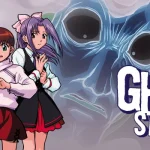
Anime horror is unlike anything else in the genre. It blends psychological tension, supernatural terror, and deeply unsettling imagery in ways that get under the skin and stay there. From slow burning dread to sudden shocking moments, horror anime is not for the faint hearted. Parasyte, Another, and the iconic Ghost Stories anime are among the most discussed series in this space.
Every genre has produced its own set of memorable series, but every once in a while an anime comes along that defies categorization entirely. Ghost Stories anime is one of those rare cases. It started as a horror series, followed every convention of the genre, and then became something no one could have predicted.
Ghost Stories Anime: A Cultural Phenomenon
Some anime become iconic because of brilliant writing or unforgettable characters. Ghost Stories became iconic for an entirely different reason, and its story is one of the strangest and most entertaining in anime history.
The Show Nobody Expected to Remember
Ghost Stories, known in Japan as Gakkou no Kaidan, aired in 2000. It follows a group of children who discover their school is haunted by malevolent spirits and take it upon themselves to fight back. In Japan it was received modestly, decent but unremarkable. The studio considered it a commercial disappointment. Nobody expected what came next.
The Dub That Broke All the Rules
When ADV Films acquired the rights for an English release, the dubbing team was given one condition; keep the core plot intact. Everything else was fair game.They took full advantage.
The original script was thrown out. Characters were reimagined from scratch. Dark humor, adult jokes, and outrageous dialogue replaced everything the Japanese version had carefully constructed. A modest horror series was transformed into an unhinged comedy that bore almost no resemblance to its source material, and it was absolutely brilliant.
Why Nobody Has Forgotten It
Ghost Stories refuses to fade away. Every new generation of anime fans discovers it and has the same reaction, equal parts disbelief and delight. Clips circulate endlessly. Reaction videos rack up millions of views.
Online anime communities reference it constantly as the ultimate example of a dub completely reinventing a series. It broke every rule. It got away with it completely. And twenty years later people are still talking about it.
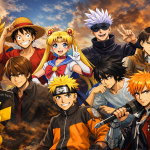
Ghost Stories proved that a single character reimagined in the right way can take on a life of its own. But across the entire history of anime, certain characters became the most popular anime characters of all time. They have transcended their series entirely and become icons that the whole world recognizes.
The Most Popular Anime Characters
Great anime is built on great characters. The plot can be compelling and the animation stunning, but it is the characters that people remember. The ones that stay with them long after the series ends.
What Makes an Anime Character Iconic
The best anime characters feel real. Despite living in fantastical worlds they carry genuine emotional weight, flaws, contradictions, and moments of vulnerability that make them feel like people rather than drawings. They also represent something larger than themselves. Naruto is every person who was ever told they were not good enough. Goku is the embodiment of limitless potential. That symbolic weight is what turns a character into an icon.
Beyond the Screen
The most popular anime characters have lives that extend far beyond their series. Merchandise generates billions annually. Cosplay communities bring them to life at conventions worldwide. And characters like Goku and Pikachu collaborate with global brands, recognized by people who have never watched anime at all. That crossover into mainstream culture is the ultimate measure of an iconic character.
The Most Popular Male Anime Characters
Male anime characters have shaped the medium since its earliest days. From relentless heroes to morally complex antiheroes, the most popular male anime characters share something that goes beyond their fighting abilities or their backstory. They represent a way of moving through the world that audiences find compelling, inspiring, or deeply human.
What Defines a Popular Male Anime Character
The male characters that resonate most are rarely the most powerful ones in the room. They are the ones with the most conviction. The ones who carry their struggles openly and push forward anyway. What makes them unforgettable is not what they can do, it is who they are becoming.
The Archetypes That Dominate
🌟 The Hero: Optimistic, determined, and driven by an unshakeable belief in doing what is right. Characters like Izuku Midoriya from My Hero Academia define this archetype, protagonists whose greatest strength is not power but heart.
🌑 The Antihero: Complex, morally ambiguous, and impossible to look away from. Lelouch vi Britannia from Code Geass is one of the most celebrated examples, a character who operates in the grey areas of right and wrong and forces audiences to question who they are rooting for and why.
⚔️ The Rival: Every great hero needs a rival, and anime has produced some of the most iconic rivalries in all of storytelling. Killua to Gon in Hunter x Hunter. The rival pushes the hero to grow and in doing so often becomes just as beloved as the protagonist.
The Most Iconic Male Characters in Anime History
🟡 Naruto Uzumaki (Naruto): A boy rejected by his village who refused to give up, and connected with millions of viewers who saw their own struggles reflected in his story.
⚫ Light Yagami (Death Note): Brilliant, calculating, and deeply unsettling. A character who forced audiences to question their own moral instincts.
🔴 Monkey D. Luffy (One Piece): Sailing toward his dream for over two decades, with his audience right beside him every step of the way.
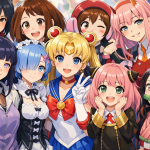
Furthermore, their popularity has transcended the screen. It transformed into merchandise sold all over the world, cosplays and fandoms. This also extends to anime girl characters. In fact they have captured the attention of audiences worldwide for different reasons that vary from art and drawing to emotional depth and character development to strength and power.
Anime Girls: Iconic Female Characters in Anime
Female characters in anime have come a long way. From background figures and love interests to complex protagonists carrying the entire series on their shoulders, the evolution of anime girls is one of the most significant shifts the medium has undergone.
From Supporting Roles to Leading Protagonists
In the early decades of anime, female characters were largely defined by their relationship to the male protagonist. That changed in the 1990s when Sailor Moon arrived and rewrote the rules entirely, a female protagonist who was emotional, imperfect, and powerful all at once. Today some of the most celebrated characters in anime are women, carrying moral ambiguity, emotional depth, and narrative weight that rivals anyone.
How to Start Watching Anime
Starting anime can feel overwhelming. Thousands of series. Dozens of genres. Endless recommendations from fans who each swear their favorite is the perfect place to begin. Here is a simple guide to getting started without the confusion.
Where to Watch Anime
Anime has never been more accessible. Most major streaming platforms now carry extensive anime libraries, making it easy to find series without specialist knowledge or subscriptions.
Dedicated anime platforms offer the largest selections and often simulcast new episodes as they air in Japan. General streaming services carry a strong mix of classic and modern titles. And for Studio Ghibli films specifically, some of the best entry points into anime, a single streaming subscription is usually all that is needed.
Recommendations by Genre
The best starting point depends on what kind of stories appeal most.
- Action and Adventure: My Hero Academia or Demon Slayer
- Romance and Emotion: Your Lie in April or Fruits Basket
- Horror: Parasyte or Another
- Fantasy: Fullmetal Alchemist Brotherhood or Sword Art Online
- Slice of Life: Clannad or A Silent Voice
- Comedy: One Punch Man or Konosuba
Subbed vs Dubbed
This is one of the most debated topics in anime fandom, and the answer is simpler than the debate suggests.
Subbed means watching in Japanese with subtitles, preserving the original voice performances and emotional nuance of the production.
Dubbed means watching with voice acting in another language, more accessible for viewers who find reading subtitles distracting.
Neither is wrong. The best version is whichever one keeps you watching.
The Future of Anime
Anime has already conquered the world, but the story is far from over. The industry is growing faster than at any point in its history and the forces shaping its future suggest the best may still be ahead.
A Global Industry on the Rise
The global anime market has grown consistently year on year, driven by expanding international audiences, increased production budgets, and a new generation of fans discovering the medium for the first time. Markets that were once considered niche are now among the most active anime consuming regions in the world.
The Streaming Revolution
The single biggest shift in anime’s recent history has been its arrival on mainstream streaming platforms. A medium that once required specialist knowledge to access is now available to anyone with a subscription, introducing anime to audiences who would never have sought it out independently. Many of them have stayed.
What Comes Next
Production quality continues to rise. Diverse storytelling is expanding the range of voices within the medium. And the intersection of anime with gaming, music, and fashion is creating new entry points for audiences who might not consider themselves anime fans yet.
Conclusion
Anime is unlike anything else in the world of storytelling, a medium that has endured for over a century and continues to draw new fans every day across every continent.
New series push creative boundaries every season. New audiences discover it for the first time every day. And the characters and stories it has created have become a permanent part of global culture. The world of anime is vast, varied, and endlessly surprising. The only question is where to begin.
FAQs
- What does “anime” actually mean?
Anime refers to a style of animated entertainment that originated in Japan. The word simply means “animation” in Japanese, but internationally it is used to describe Japanese animated shows and films known for their distinctive art style and storytelling.
- What are the 5 types of anime?
Anime is often categorized by its target audience: Shonen (for young boys), Shojo (for young girls), Seinen (for adult men), Josei (for adult women), and Kodomo (for children). These categories mainly reflect themes, tone, and storytelling style.
- What are the Big 3 anime?
The “Big 3” refers to three extremely popular long-running series that dominated global anime fandom in the 2000s: Naruto, Bleach, and One Piece. They were known for their massive fanbases and long serialization in Weekly Shonen Jump.
- Where is anime most popular?
Anime is most popular in Japan, where it originated and is a major part of entertainment culture. It also has huge audiences in countries like the United States, Brazil, and Philippines thanks to global streaming and fandom communities.
- When was anime the most popular?
Anime became most popular globally in the late 2010s and early 2020s, largely due to streaming platforms like Netflix and Crunchyroll making it accessible worldwide. Another major popularity boom happened in the early 2000s with series like Naruto, Bleach, and One Piece attracting global audiences.










Related Posts


Stay Informed With the Latest & Most Important News
Previous Post
Next Post





Advertisement