Now Reading: An Insider’s Guide to Animation: Industry, Techniques, and Studios
-
01
An Insider’s Guide to Animation: Industry, Techniques, and Studios

Animation is one of the most versatile and captivating forms of storytelling, blending artistry, technology, and imagination to create experiences that resonate across audiences of all ages. From the early hand-drawn classics that defined the golden age of animation to modern digital masterpieces that push the boundaries of visual effects, animation has continually evolved to reflect cultural shifts, technological advancements, and creative experimentation. It is a medium that transcends language and geography, allowing stories to connect with people worldwide while offering infinite possibilities for artistic expression.
In this guide, we delve into the many facets of the animation world, from key animation genres that shape the tone and style of stories, to regional animation trends that highlight the unique aesthetics and cultural influences of different parts of the globe. We explore production techniques, including traditional 2D methods, the latest 3D animation workflows, and tactile stop motion approaches, as well as the wide array of animation software tools that empower creators to bring their visions to life. Finally, we examine the ongoing conversation of 2D versus 3D animation, exploring how these approaches differ in style, workflow, and audience appeal. By the end of this guide, readers will have a thorough understanding of how animation operates as both an art form and an industry, and why it continues to be a driving force in global entertainment.
The Animation Industry Today
The animation industry is one of the fastest-growing sectors in global entertainment. It encompasses feature films, television shows, streaming content, video games, commercials, and educational materials. Major studios such as Disney, Pixar, and Studio Ghibli have long set industry standards, but independent creators and digital-first studios are now pushing the medium in new directions. The rise of platforms like YouTube, TikTok, and Instagram has democratized animation, enabling creators from around the world to showcase their work to global audiences without relying on traditional distribution channels. Understanding the diverse animation genres and the tools and techniques used to produce them has become essential for anyone involved in this creative field, whether as a viewer, student, or professional.
Animation Genres: A Diverse Palette
Animation genres provide a framework for categorizing animated works according to tone, theme, and target audience. These genres help creators define the style of storytelling, guide visual design, and ensure that the narrative connects with viewers.
Common genres include action, adventure, comedy, drama, fantasy, horror, musicals, and educational content. Beyond these, hybrid genres, such as comedy-adventure or sci-fi-drama, are increasingly popular, allowing storytellers to explore more layered narratives and appeal to wider audiences.
Action and adventure animations
Action and adventure animations are designed to thrill and engage viewers through exciting quests, high-stakes scenarios, and dynamic character movement. Titles like Avatar: The Last Airbender exemplify this genre, blending imaginative worlds with heroic journeys that captivate audiences of all ages. These works often rely on fast-paced storytelling, visually striking set pieces, and compelling character arcs to keep viewers invested from start to finish.
Comedy animations
Comedy animations focus on humor, satire, and exaggerated expressions to entertain. Shows like Rick and Morty are prime examples, offering absurdity, wit, and social commentary in equal measure. Comedy can range from lighthearted slapstick aimed at younger audiences to dark, clever humor that resonates with adults, showcasing the flexibility of animation as a medium for humor and critique.
Drama and slice-of-life animations
Drama and slice-of-life animations emphasize emotional storytelling, character development, and relatable life experiences. Films such as A Silent Voice delve into complex human emotions, interpersonal relationships, and personal growth. These works often highlight realistic struggles, moral dilemmas, and nuanced storytelling, creating a strong connection between the audience and the characters on screen.
Fantasy and science fiction animations
Fantasy and science fiction animations transport viewers to imaginative and otherworldly settings. Productions like Spirited Away and Cyberpunk: Edgerunners combine visually stunning worlds with intricate plots and thematic depth. These genres allow for boundless creativity, enabling animators to craft environments, creatures, and scenarios that transcend real-world limitations while exploring universal human themes.
Understanding and recognizing these genres is crucial for creators. It allows them to tailor narratives, visuals, and pacing to the intended audience while providing viewers with a guide to appreciate the diversity and depth of animated storytelling. Whether aiming to entertain, inspire, or provoke thought, the careful selection and blending of genres is a key component of successful animation.
Regional Animation Styles: Western, Middle Eastern and Asian Animation
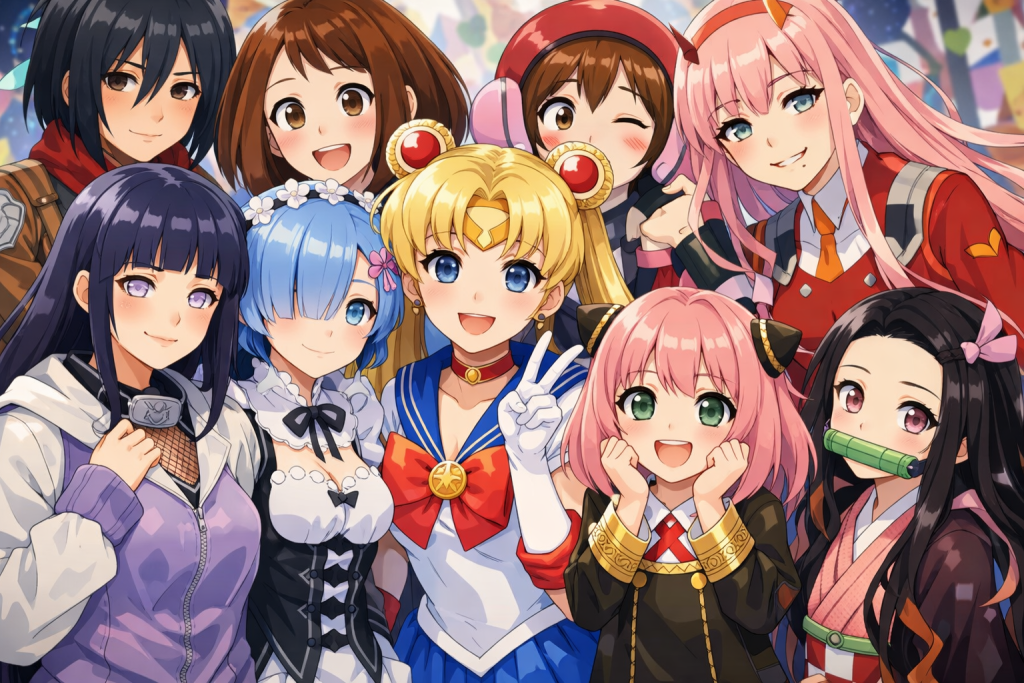
Animation styles vary significantly around the world, reflecting cultural aesthetics, storytelling traditions, and audience preferences. Asian animation, particularly Japanese anime, emphasizes detailed character expressions, emotional storytelling, and distinctive visual style. Popular studios like Studio Ghibli, MAPPA, and Kyoto Animation produce works that resonate with audiences globally, while Korean and Chinese animations are gaining international attention through webtoons, streaming platforms, and cinematic releases.
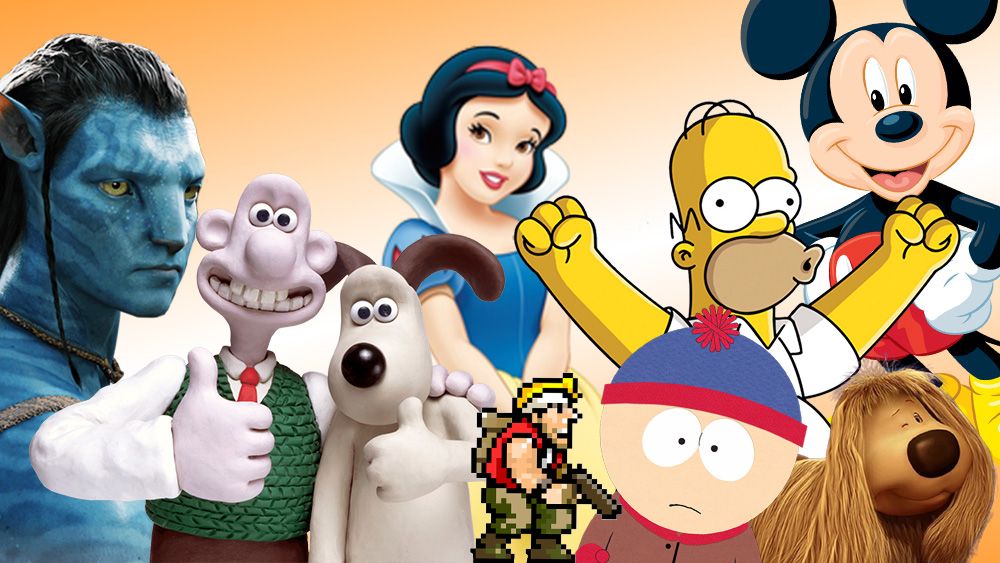
In Western animation, the focus is often on humor, family-friendly narratives, and blockbuster entertainment, with studios such as Disney, Pixar, and DreamWorks leading the way. Western TV animation, such as The Simpsons or Adventure Time, frequently blends satire, social commentary, and imaginative visuals.
Middle Eastern animation is an emerging market, exploring folklore, cultural heritage, and contemporary social issues. Studios in the UAE, Egypt, and Saudi Arabia are producing animated films and series that showcase local storytelling traditions and innovative animation techniques.
Additionally, Latin American, African, and Indian animation industries are expanding, combining traditional art forms with digital tools to create culturally resonant and visually compelling content.
2D Animation Versus 3D Animation
The comparison of 2D animation versus 3D animation highlights their respective strengths and use cases. 2D animation emphasizes flat, stylized visuals, expressive motion, and creative exaggeration, making it ideal for whimsical storytelling, anime, and traditional cartoon aesthetics.
In contrast, 3D animation introduces depth, realism, and complex lighting, which enhances cinematic storytelling, interactive experiences, and visually immersive environments. Many modern productions now integrate both approaches, using 2D elements for stylistic effects within 3D environments or incorporating 3D objects into 2D animations.
Understanding the distinctions between these two approaches allows animators to select the method that best serves their narrative, visual style, and production constraints.
2D Animation: The Art of Flat Motion
2D animation remains a cornerstone of the medium, encompassing both traditional hand-drawn approaches and modern digital techniques.
Traditional 2D animation requires frame-by-frame drawings, a labor-intensive process that brings characters and environments to life through sequential images. With the advent of digital tools, 2D animation has become more accessible and efficient, allowing artists to create fluid motion using vector-based programs and software that automates repetitive tasks.
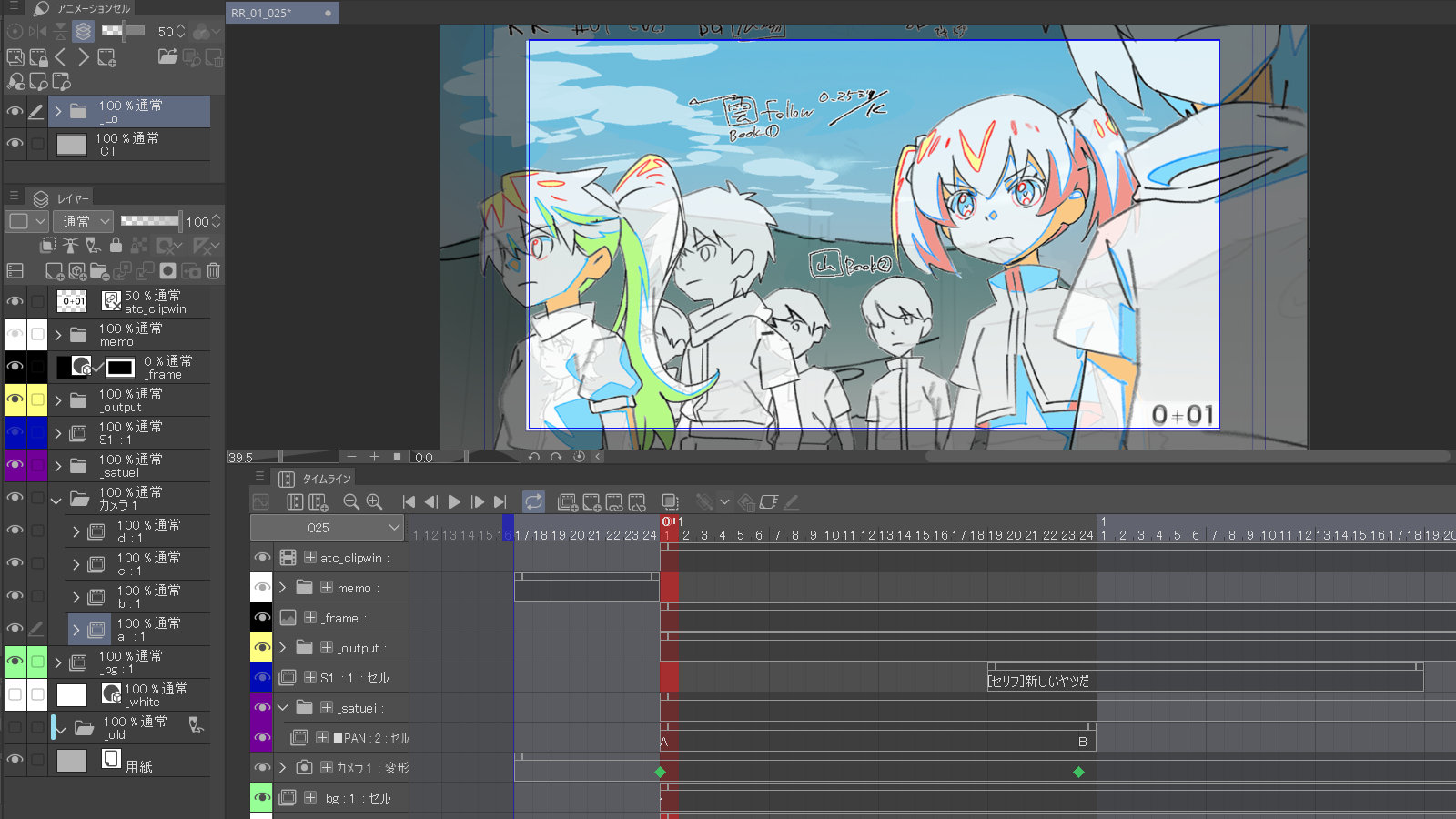
Tools like Moho Animation, TVPaint, and Clip Studio Paint allow animators to produce professional-quality 2D animation without sacrificing artistry. The appeal of 2D animation lies in its expressive capabilities; the stylized motion, exaggerated actions, and artistic freedom create visuals that can range from cartoonish and whimsical to highly detailed and realistic.
This versatility makes 2D animation ideal for anime, web series, traditional animated films, and experimental shorts.
3D Animation: Depth, Realism, and Flexibility
3D animation allows creators to construct lifelike characters, environments, and effects with three-dimensional depth. Using tools such as Blender, Maya, and Cinema 4D, animators can manipulate models, textures, lighting, and camera perspectives to achieve visually rich and immersive experiences. 3D animation is widely used in feature films, video games, virtual reality, and high-end visual effects.
It provides flexibility in camera movement and scene composition, making it ideal for producing cinematic-quality sequences. Films like Toy Story and Frozen demonstrate the emotional and technical potential of 3D animation, blending realistic motion with compelling storytelling.
While 3D animation demands more computational resources and often larger teams, it opens up possibilities for highly detailed worlds and dynamic character interactions that are challenging to achieve in 2D animation.
Stop Motion Animation: Hands-On Storytelling
Stop motion animation is a tactile, hands-on approach to the medium, in which physical objects, puppets, or clay models are photographed frame by frame to simulate movement. Each small adjustment to a character or prop is captured in a photograph, and when played in sequence, it creates the illusion of life. Stop motion is renowned for its texture, craftsmanship, and tangible charm that digital techniques often cannot replicate.
Films like Coraline by Laika Studios and Wallace & Gromit by Aardman Animations showcase the immersive and artistic potential of this method. Stop motion allows animators to explore creative visual styles, experimenting with lighting, camera angles, and materials to produce unique aesthetic experiences.
Although time-consuming and technically demanding, stop motion continues to thrive because of its authenticity and distinctive visual appeal, offering a counterpoint to the digital precision of 2D and 3D animation.
Tools of the Trade: Animation Softwares
Modern animators have access to a wide range of software that streamlines production and expands creative possibilities. Choosing the right tool depends on the type of animation, team size, project goals, and the desired visual style. Below is a breakdown of some of the most popular animation software used by professionals and independent creators alike.
Moho Animation
Moho Animation is highly effective for 2D rig-based animation. Its Smart Bones system allows animators to create fluid, natural character movements without needing to redraw every frame. Vector tools enable scalable artwork, while integrated physics and timeline controls give creators precision and flexibility. Moho is popular among independent animators and small studios for producing web series, shorts, and professional-grade animations efficiently.
Clip Studio Paint
Clip Studio Paint is a favorite among artists who prefer frame-by-frame hand-drawn animation. The software provides extensive control over line work, color, and motion, making it ideal for detailed 2D animation and manga-style sequences.
Its ability to combine illustration and animation tools in a single workflow allows animators to seamlessly transition between drawing and animating, which is particularly useful for short films and character-centric projects.
TVPaint
TVPaint is a professional-grade tool designed for traditional 2D animation. It offers robust features for frame-by-frame drawing, compositing, and scene management.
Animators can work with high-resolution assets, create custom brushes, and maintain precise control over timing and motion. TVPaint remains a go-to choice for studios producing cinematic 2D films or projects requiring a hand-drawn aesthetic, combining efficiency with artistic flexibility.
Blender
Blender is a free, open-source software that supports 3D modeling, rigging, animation, and visual effects. Its versatility makes it suitable for films, video games, motion graphics, and virtual reality projects.
Blender provides advanced simulation tools, sculpting options, and rendering capabilities, allowing both hobbyists and professionals to produce high-quality 3D animations. The community-driven development also means a constant flow of updates, plugins, and tutorials, making it accessible for creators at any level.
Adobe Animate
Adobe Animate is widely used for vector-based and web animations. It is compatible with multiple platforms and supports interactive content, making it ideal for web, mobile, and social media projects.
Animate allows animators to create smooth motion using tweening tools while maintaining crisp visuals for vector art. Its integration with other Adobe Creative Cloud applications ensures a seamless workflow for multimedia projects that combine graphics, audio, and animation.
Toon Boom Harmony
Toon Boom Harmony is an industry-standard software for television and film animation. It combines traditional hand-drawn techniques with digital efficiency, offering both frame-by-frame and rig-based animation tools.
Toon Boom Harmony supports complex compositing, effects, and multi-layered scene management, making it a preferred choice for studios producing animated series, feature films, and professional shorts. Its versatility allows teams to maintain high production values while streamlining the workflow.
Conclusion
Animation is a versatile, ever-changing medium that bridges artistry, technology, and storytelling. From exploring animation genres to appreciating global styles such as Asian, Western, and Middle Eastern animation, creators have an unprecedented range of techniques and tools at their disposal. Whether working with 2D animation, 3D animation, or tactile stop motion, animators can craft compelling narratives for any audience. Software like Moho Animation, Clip Studio Paint, TVPaint, and Blender empowers both beginners and professionals to produce polished, imaginative works efficiently. By mastering diverse techniques, understanding regional influences, and leveraging modern tools, animators can thrive in an industry that values creativity, innovation, and global storytelling.
Extra Footage
Q1: What are animation genres?
Animation genres categorize works by theme, tone, and audience, including action, comedy, drama, fantasy, horror, and musical.
Q2: How does 2D animation differ from 3D animation?
2D animation emphasizes stylized, flat visuals and expressive motion, while 3D animation adds depth, realism, and complex camera movement.
Q3: What is stop motion animation?
Stop motion is a frame-by-frame technique using physical objects, puppets, or clay models to create lifelike motion.
Q4: Which software is most widely used for animation?
Popular software includes Moho Animation, Clip Studio Paint, TVPaint, Blender, Adobe Animate, and Toon Boom Harmony, depending on workflow and style.
Q5: How do animation styles vary around the world?
Asian animation emphasizes detailed expression and narrative depth, Western animation focuses on humor and family entertainment, and Middle Eastern, Latin American, and African animation often highlight cultural stories and traditions.










Related Posts


Stay Informed With the Latest & Most Important News
Previous Post
Next Post










Advertisement