Now Reading: All About Animation Genres: Exploring the Art of Motion
-
01
All About Animation Genres: Exploring the Art of Motion

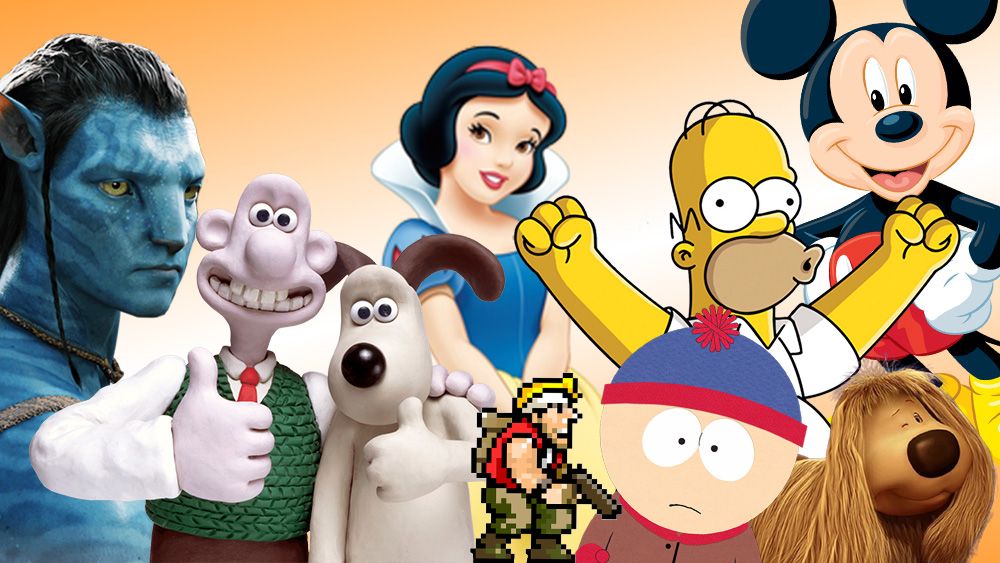
Animation has captivated audiences for over a century, offering endless possibilities for storytelling, artistic expression, and cultural commentary. From the earliest hand-drawn shorts to today’s cutting-edge digital creations, animation continues to evolve, attracting viewers of all ages.
Understanding animation genres is essential not only for fans but also for creators, as each genre brings distinct storytelling techniques, visual styles, and emotional impact. In this article, we explore the major animation genres, their unique characteristics, and their influence on modern media.
What Are Animation Genres?
Animation genres categorize animated works based on themes, storytelling style, or audience target. Similar to live-action film genres, animation genres help viewers understand what to expect and guide creators in shaping narratives, visual aesthetics, and tone. While some genres overlap, each has defining traits that make it recognizable. By studying animation genres, audiences can appreciate the diversity and creativity in the medium, and aspiring animators can select the best genre for their projects.
Animation genres also influence cultural trends and industry practices. Certain genres dominate specific markets or demographics, for example, anime genres like shōnen and shōjo attract particular age groups in Japan, while Western family-oriented animations appeal to broad, global audiences.
1. Action and Adventure Animation
Action and adventure animation emphasizes excitement, dynamic movement, and high-stakes storytelling. Characters often embark on epic quests, battle villains, or explore fantastical worlds. The genre relies on fast pacing, dramatic visuals, and imaginative settings.
Examples of action and adventure animation include popular series like Avatar: The Last Airbender, Teenage Mutant Ninja Turtles, and feature films like How to Train Your Dragon. These works captivate audiences through thrilling sequences, heroic journeys, and often, themes of friendship, courage, and self-discovery.
Why It Appeals:
The genre appeals to audiences seeking adrenaline and suspense, combining imaginative storytelling with visually striking sequences. Animators in this genre often employ dynamic camera angles, motion blur, and advanced effects to enhance the sense of movement and intensity.
2. Comedy Animation
Comedy is one of the most enduring animation genres, emphasizing humor, satire, and exaggerated characters. From slapstick to witty dialogue, comedy animations aim to entertain and make audiences laugh while often delivering subtle social commentary.
Classic examples include Looney Tunes, SpongeBob SquarePants, and The Simpsons, while modern series like Rick and Morty mix absurdity with dark humor and adult themes. Comedy animation spans multiple subgenres, including parody, slapstick, situational, and satirical humor.
Why It Appeals:
Comedy animation allows creative freedom in character design, physics-defying antics, and exaggerated reactions that would be impossible in live-action. It appeals to audiences of all ages, with some shows targeting children and others aiming at mature viewers with nuanced humor.
3. Drama and Slice-of-Life Animation
Drama and slice-of-life animation focus on emotional storytelling, character development, and everyday experiences. This genre explores relationships, personal growth, and societal issues with a slower, more reflective pace than action or comedy.
Prominent examples include anime like Your Lie in April, A Silent Voice, and Western works like BoJack Horseman, which blend humor with introspective and sometimes dark storytelling.
Why It Appeals:
The appeal of drama and slice-of-life animation lies in relatability and emotional resonance. By presenting authentic human experiences through animated characters, these works allow audiences to connect deeply, empathize with struggles, and explore themes like love, loss, and identity in a visually engaging way.
4. Fantasy and Science Fiction Animation
Fantasy and science fiction are visually imaginative genres that transport audiences to alternate realities, magical worlds, or futuristic landscapes. Fantasy often features mythical creatures, magical powers, or heroic quests, while science fiction explores futuristic technology, space exploration, or dystopian societies.
Notable examples include Spirited Away, Star Wars: The Clone Wars, and Cyberpunk: Edgerunners. These works push the boundaries of visual storytelling, blending creativity with philosophical or speculative themes.
Why It Appeals:
Fantasy and science fiction animation offer escapism and the freedom to experiment with extraordinary concepts. Animators in this genre often use elaborate world-building, intricate visual effects, and imaginative character design to create immersive experiences that spark curiosity and wonder.
5. Horror and Thriller Animation
Although less common than other genres, horror and thriller animation has a dedicated following. This genre combines suspense, psychological tension, and sometimes supernatural elements to evoke fear or anxiety in viewers.
Examples include Coraline (stop-motion horror), Tokyo Ghoul, and Paranoia Agent. Horror animation often uses dark color palettes, unsettling character designs, and eerie soundscapes to create a chilling atmosphere.
Why It Appeals:
Horror and thriller animation explore darker themes in a medium that allows for exaggerated and surreal imagery. It attracts viewers who enjoy suspense, mystery, and exploring human fears through visually compelling storytelling.
6. Musical and Dance Animation
Musical animation integrates song, dance, and choreography into its storytelling. These works use rhythm and melody as narrative devices, often blending music with visual spectacle.
Examples include Disney classics like The Lion King, Frozen, and contemporary works like La La Land: The Animated Series (hypothetical) or animated music videos on platforms like YouTube.
Why It Appeals:
Musical animation appeals because it combines auditory and visual engagement. Animators must synchronize movements, expressions, and timing to the music, creating a multisensory experience that enhances emotional impact and audience immersion.
7. Superhero Animation
Superhero animation focuses on protagonists with extraordinary powers, often fighting for justice and battling villains. It blends action, adventure, and moral storytelling.
Examples include Justice League, Spider-Man: Into the Spider-Verse, and Young Justice. These animations often explore themes of responsibility, morality, and the hero’s journey while employing visually dynamic action sequences.
Why It Appeals:
The superhero genre resonates due to its combination of aspirational characters, moral dilemmas, and visually thrilling battles. Animators in this genre often utilize vibrant colors, dramatic lighting, and stylized movement to enhance the larger-than-life experience.
8. Experimental and Abstract Animation
Experimental animation challenges conventional storytelling, visual design, and narrative structure. Abstract and avant-garde works often prioritize visual rhythm, shapes, and motion over traditional plots.
Examples include Fantasia, The Tale of the Princess Kaguya, and independent short films from animation festivals. This genre often blends traditional and digital techniques to explore unique artistic visions.
Why It Appeals:
Experimental animation is celebrated for pushing boundaries and redefining what animation can be. It appeals to audiences interested in art, symbolism, and innovation, inspiring both creators and viewers to rethink motion, color, and storytelling.
9. Educational and Informative Animation
Educational animation combines entertainment with learning. It includes explainer videos, documentaries, and instructional animations designed to convey information engagingly.
Examples include Schoolhouse Rock!, TED-Ed animations, and educational YouTube content. These animations often use simplified visuals, clear narration, and humor to make complex topics accessible.
Why It Appeals:
Educational animation leverages motion and visual storytelling to improve comprehension and retention. It’s widely used in schools, online learning platforms, and corporate training, proving that animation is not only for entertainment but also for communication and education.
10. Hybrid and Cross-Genre Animation
Modern animation often blends multiple genres to create hybrid storytelling experiences. For instance, Avatar: The Last Airbender combines action, fantasy, and comedy, while The Mitchells vs. the Machines mixes family comedy with sci-fi adventure.
Why It Appeals:
Hybrid animation reflects the evolving tastes of audiences who crave depth, variety, and innovation. By mixing genres, creators can engage multiple demographics and explore complex themes without being constrained by traditional genre boundaries.
Conclusion
Understanding animation genres provides valuable insight into the creativity, techniques, and storytelling approaches that define animated works. From action-packed adventures and heartwarming comedies to emotionally charged dramas, fantastical worlds, and experimental art, each genre offers unique experiences for both creators and audiences.
As animation continues to grow in global popularity, exploring these genres allows creators to make informed artistic choices, connect with target audiences, and innovate within the medium. Meanwhile, viewers gain a deeper appreciation for the diversity and potential of animation, understanding that every style, theme, and approach contributes to the evolving art of motion.
Animation genres are more than labels, they are gateways into imagination, culture, and human emotion, showing that animation remains one of the most versatile and impactful forms of storytelling in the modern era.
Extra Footage
Q1: What are animation genres?
A1: Animation genres categorize animated works based on themes, storytelling style, or audience target. They help viewers understand what to expect and guide creators in developing content.
Q2: What is the most popular animation genre?
A2: Popularity varies by region and platform, but action/adventure, comedy, and family-oriented animations tend to have the broadest appeal globally.
Q3: Can animations belong to multiple genres?
A3: Yes. Many animations are hybrids, combining elements of comedy, fantasy, action, or drama to appeal to diverse audiences.
Q4: How do genres affect animation style?
A4: Genres influence visual design, pacing, character development, and storytelling techniques. For example, comedy often uses exaggerated motions, while drama may prioritize realism and emotional nuance.
Q5: Are animation genres the same in 2D and 3D animation?
A5: Yes, the genres are similar, but 3D animation often emphasizes realistic depth, motion, and special effects, whereas 2D animation allows for stylized, exaggerated visuals










Related Posts


Stay Informed With the Latest & Most Important News
Previous Post
Next Post










Advertisement