Now Reading: A Love Letter to Gamers: Five Video Game Adaptations That Understood the Assignment
-
01
A Love Letter to Gamers: Five Video Game Adaptations That Understood the Assignment
A Love Letter to Gamers: Five Video Game Adaptations That Understood the Assignment

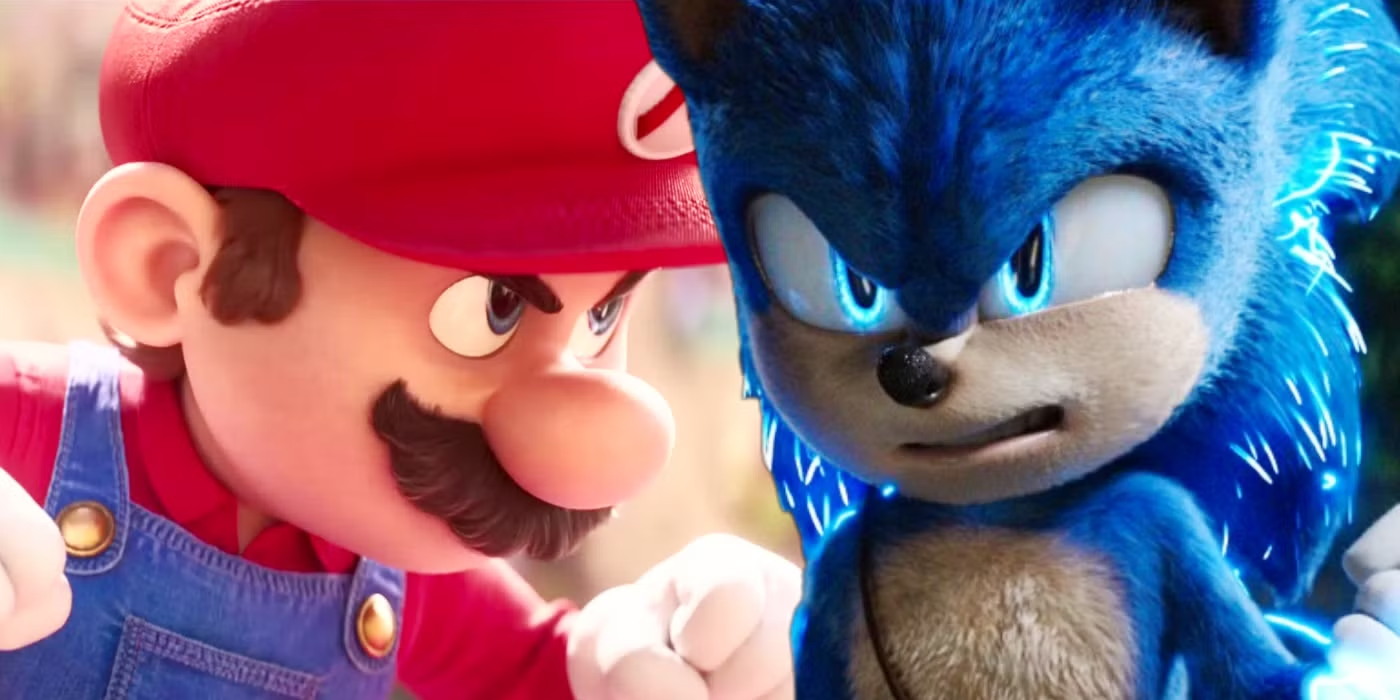
For a long time, video game adaptations carried a reputation almost as infamous as cursed. Fans approached announcements with skepticism, critics sharpened their knives early, and studios often treated beloved games as little more than recognizable brand names. The result was a long list of films that misunderstood their source material, alienated core audiences, or attempted to force games into storytelling molds that simply did not fit.
However, something has shifted. In recent years, a new wave of video game movies has emerged, not only finding commercial success but also earning genuine goodwill from fans. These films do not merely borrow characters or titles. They embrace tone, worldbuilding, nostalgia and familiarity. They listen to audiences rather than dismiss them. In many cases, they feel less like corporate products and more like affectionate tributes.
Super Mario Bros. The Movie, the Sonic the Hedgehog trilogy, Detective Pikachu, Five Nights at Freddy’s, and A Minecraft Movie each approach adaptation differently, yet they share a common motto; respect what made the games special in the first place. Together, they represent a turning point for the genre and a love letter to gamers who waited far too long to see their worlds treated with the attention they deserve and harness their potential fairly.
Super Mario Bros. The Movie
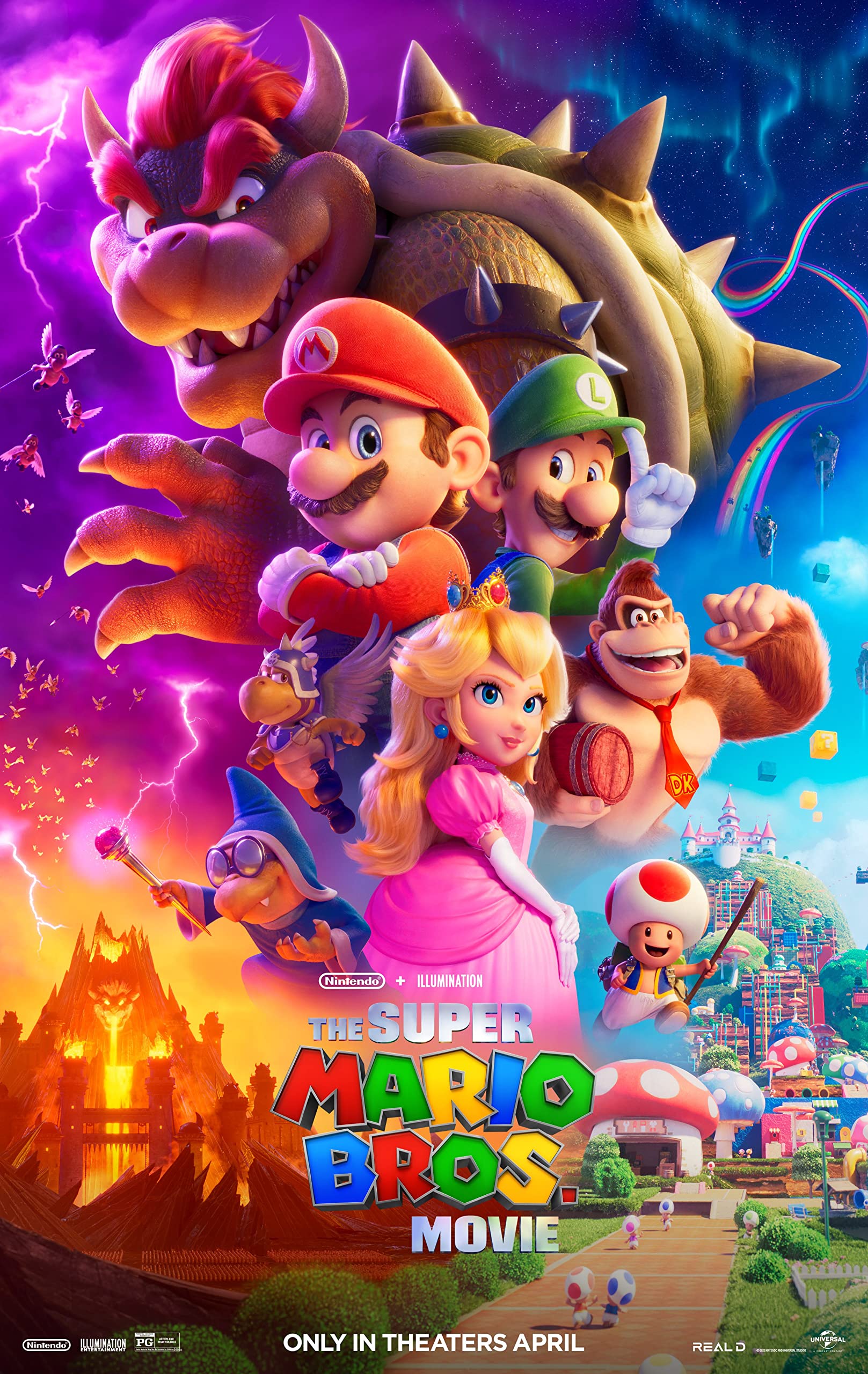
Few video game franchises carry the cultural weight of Super Mario Bros. For decades, Mario has been synonymous with gaming itself, making any adaptation both highly anticipated and deeply risky. The 1993 live action film became a cautionary tale of what happens when filmmakers ignore the spirit of the source material. That failure loomed large over the 2023 animated reboot.
This time, however, the approach was fundamentally different. Super Mario Bros. The Movie did not attempt to reinvent Mario or force complex lore where it was never needed. Instead, it embraced simplicity, color, and joy. The movie carried the same whimsicality that the game had. The film presented the Mushroom Kingdom as a vibrant playground filled with familiar faces, iconic sounds, and lovingly recreated environments. From musical cues pulled directly from the games to visual references layered into nearly every scene, the movie felt intentionally designed for fans to recognize and appreciate.
The tone was unapologetically family friendly, leaning into farce humor and lighthearted adventure rather than irony or self parody. While critics were divided on the thinness of the plot, audiences responded enthusiastically. For longtime players, the story mattered less than the experience of seeing Mario’s world brought to life with sincerity.
More than anything, the film succeeded because it understood Mario’s role in gaming history. Mario is not a character defined by deep internal conflict. He is a symbol of play itself. By respecting that identity rather than reshaping it, the movie became less of a reinterpretation and more of a celebration. It did not ask fans to accept a new version of Mario. It invited them home.
Sonic the Hedgehog: The Trilogy
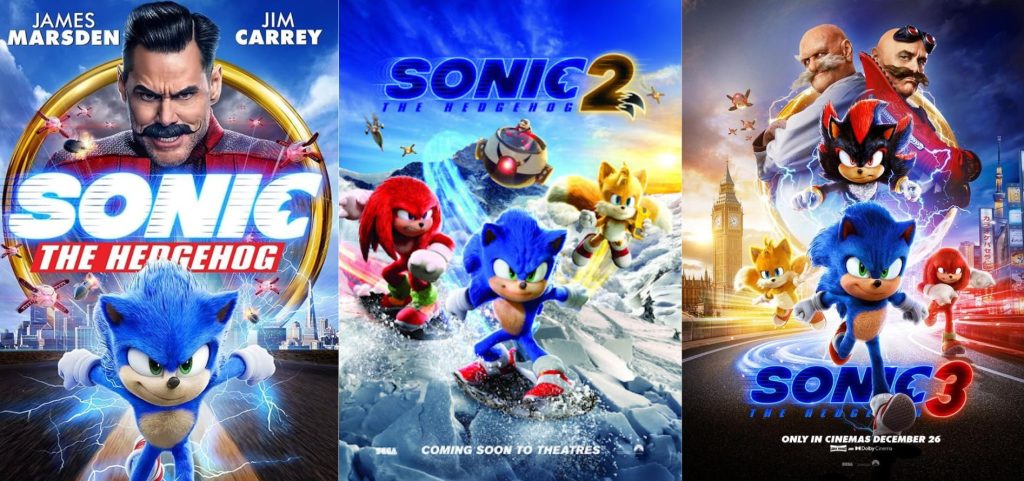
If one franchise can be credited with proving that studios can learn from their mistakes, it is Sonic the Hedgehog. The original reveal of Sonic’s design in 2019 sparked immediate and intense backlash. Rather than doubling down, the filmmakers made the unprecedented decision to redesign the character entirely. That moment changed the trajectory not just of Sonic’s films, but of video game adaptations as a whole.
The first Sonic the Hedgehog film released in 2020 and quickly demonstrated that listening to fans was not a weakness. Sonic’s personality was faithful to the games, energetic, slightly cocky, and ultimately kind-hearted. The film balanced humor with heart, appealing to children while offering enough self awareness to entertain older audiences.
What truly sets Sonic apart, however, is consistency. Sonic the Hedgehog 2 expanded the universe with fan favorite characters and deeper lore, while Sonic the Hedgehog 3 continued that expansion without losing the core tone that made the series successful. Across all three films, Sonic remained recognizably himself. The stories grew larger, but the emotional center stayed intact.
The trilogy also demonstrated respect through restraint. It did not rush to cram decades of lore into a single film. It allowed characters and relationships to develop naturally. The result is a rare example of a video game adaptation that feels sustainable, not just successful once.
Sonic’s cinematic journey stands as proof that respect for fans builds trust, and trust builds longevity. Rather than treating the audience as an obstacle, the trilogy treats them as collaborators. That relationship is what transforms a good adaptation into a beloved one.
Detective Pikachu
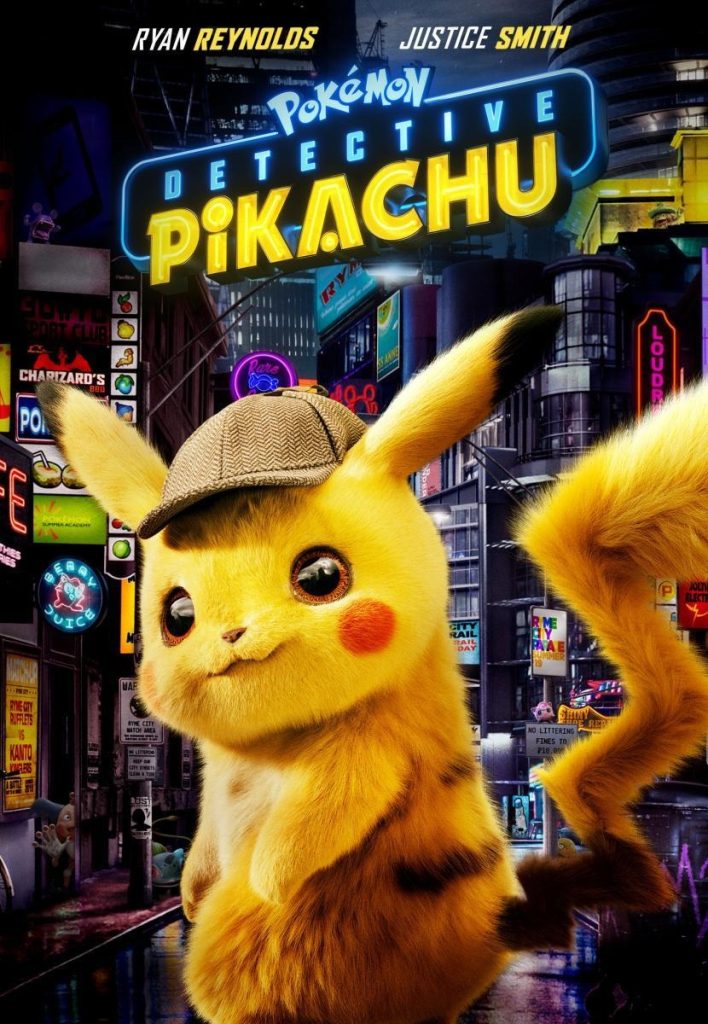
Detective Pikachu took one of the most recognizable franchises in the world and chose an unexpected angle. Instead of retelling familiar Pokémon journeys or adapting the anime directly, the film focused on worldbuilding and atmosphere. The result was a version of the Pokémon universe that felt lived in, textured, and surprisingly grounded.
One of the film’s greatest achievements lies in its creature design. Translating Pokémon into a realistic setting could have easily gone wrong, but the film struck a careful balance between realism and familiarity. Pokémon looked tangible without losing their charm, preserving the essence of their designs while adapting them to a cinematic context.
Narratively, Detective Pikachu embraced accessibility. It welcomed newcomers without alienating longtime fans. References to the broader Pokémon world were present but not overwhelming. This approach allowed the film to function both as a standalone mystery and as an affectionate nod to decades of games, cards, and animated series.
Fan reception reflected this balance. While the story itself was relatively simple, audiences appreciated the care taken in portraying the Pokémon universe respectfully. Rather than using nostalgia as a crutch, the film used it as a foundation.
Detective Pikachu demonstrated that adaptation does not always mean direct translation. Sometimes, honoring a franchise means exploring it from a fresh perspective while preserving its emotional truth.
Five Nights at Freddy’s
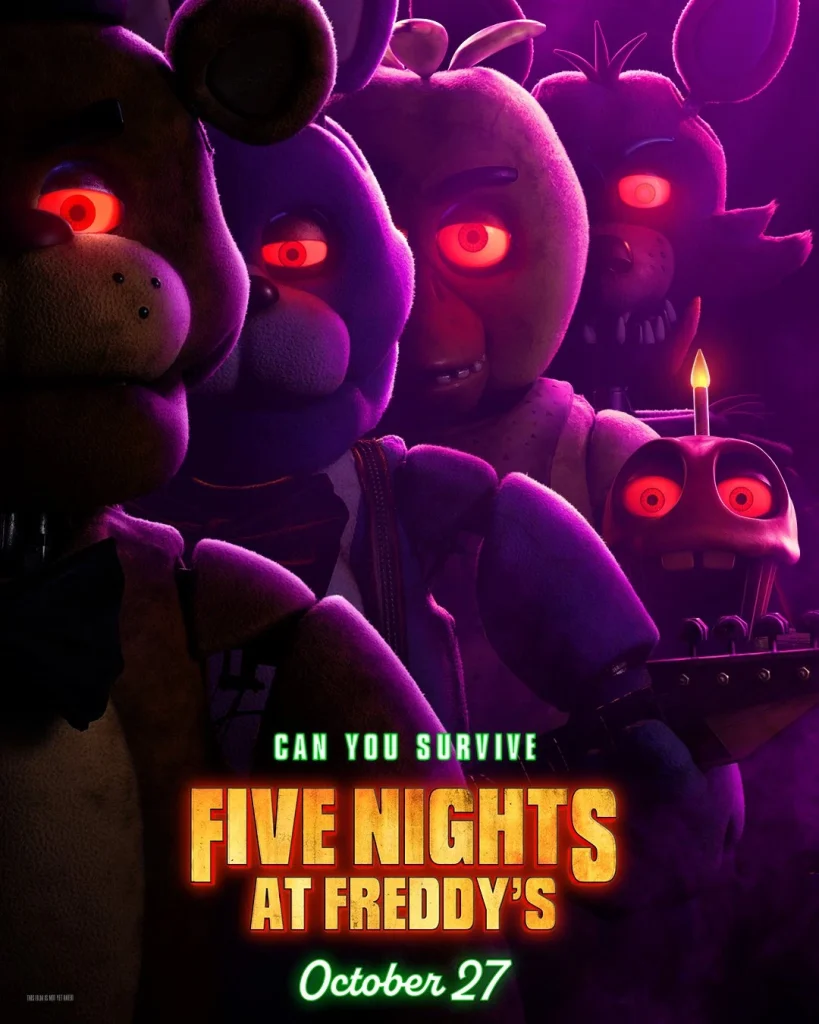
Adapting Five Nights at Freddy’s meant translating a horror experience defined by atmosphere, implication, and deep community driven lore. Rather than leaning into exaggerated scares or reinventing the story for mainstream appeal, the film chose restraint. It focused on tone, mystery, and emotional unease, staying true to what made the games resonate with fans in the first place.
One of the most important creative decisions was how the world itself was constructed. The film built its environments, sets, and animatronics from scratch, carefully recreating the unsettling familiarity of the games rather than relying heavily on digital shortcuts. This handcrafted approach gave the movie a tangible weight, making locations like Freddy Fazbear’s Pizza feel oppressive and real. Much like the games, the horror comes not from excess, but from presence.
The animatronics in particular became a focal point of fan praise. Practical effects allowed them to closely resemble their in game counterparts, preserving their eerie stillness and mechanical movement. This attention to physical detail reinforced the feeling that the filmmakers understood the franchise’s identity. Five Nights at Freddy’s has always thrived on what is implied rather than shown, and the movie respected that philosophy.
While critics were divided on pacing and narrative clarity, fan reception was largely positive. Longtime players appreciated the care taken with the setting, the lore, and the overall atmosphere. By crafting its world intentionally and honoring the franchise’s roots, Five Nights at Freddy’s proved that horror game adaptations succeed not by amplifying spectacle, but by respecting the experience fans fell in love with.
A Minecraft Movie
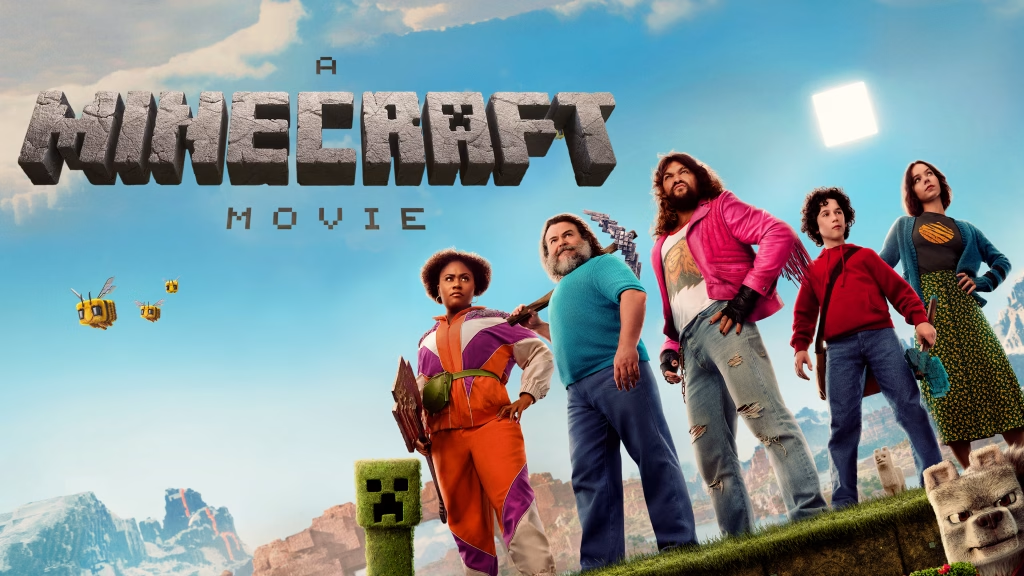
Adapting Minecraft presented a unique challenge. Unlike most games which are mostly narrative driven, Minecraft is a sandbox built on player creativity rather than a fixed narrative. There is no single story to adapt, only a world shaped by imagination. A Minecraft Movie succeeds by recognizing this and focusing less on rigid plot and more on what the game represents to its players.
Visually, the film stands out through its craftsmanship. Every environment, structure, and prop was created by artists from scratch rather than relying on over-the-top graphics. This choice mirrors the way players build their own worlds block by block and gives the film a sense of intention and care. The result is a Minecraft world that feels cinematic while remaining instantly recognizable, emphasizing that creativity, not automation, sits at the heart of the game.
One of the most meaningful moments for longtime fans comes through the cameo honoring Technoblade, a Minecraft YouTuber widely known, loved, and respected within the community. His inclusion is brief but powerful, serving as a tribute not just to an individual, but to the creators and players who helped shape Minecraft’s culture. It is a quiet acknowledgement that Minecraft’s legacy extends far beyond the game itself.
While critics were mixed on the film’s narrative structure, fan reception was notably warmer. Audiences responded to the visual authenticity, the respect shown to the community, and the sense that the movie was made with players in mind. In honoring both the artistry behind the film and the people behind the game, A Minecraft Movie stands as a sincere love letter to creativity, community, and the spirit of Minecraft itself.
Conclusion
Taken individually, these films differ widely in tone, genre, and audience. Taken together, they tell a unified story about evolution. Video game movies no longer succeed by distancing themselves from their origins. They succeed by embracing them.
Super Mario Bros. The Movie celebrates nostalgia without apology. The Sonic trilogy proves that listening to fans builds lasting franchises. Detective Pikachu shows how respectful reinterpretation can expand a universe. Five Nights at Freddy’s demonstrates that fidelity to tone matters more than mainstream appeal. A Minecraft Movie reveals that even the most unconventional games can be adapted when filmmakers understand what players truly love.
These films are not perfect, but perfection was never the goal. Respect was. In choosing to honor games as cultural worlds rather than disposable brands, modern video game adaptations have finally found their footing. For the first time, gamers are not bracing for disappointment. They are being invited into theaters to see love letters written in pixels, sound effects, and familiar faces, proving that when adaptations understand their audience, everyone wins.










Stay Informed With the Latest & Most Important News
Previous Post
Next Post










Advertisement