Now Reading: Adventure Books: The Ultimate Guide to the Best Titles to Read and Purchase
-
01
Adventure Books: The Ultimate Guide to the Best Titles to Read and Purchase


Some books ask readers to sit still. Adventure books refuse. From the very first page they pull readers forward, into jungles, across oceans, through dangers that feel immediate and impossible to look away from.
Adventure has captivated readers for generations because it speaks to something fundamental in human nature. The drive to explore. The will to survive. The quiet revelation that comes from being tested by the world and coming out the other side changed.
No other genre delivers that feeling quite as directly, or quite as powerfully. This guide covers the sub genres worth exploring, the classic titles worth knowing, the modern books worth reading, and the best individual titles and box sets available to purchase today.
Adventure Books: A Genre Unlike Any Other
Adventure is the oldest genre in storytelling. Adventure is one of four genres that have fundamentally shaped the way readers engage with different genres of books, alongside science fiction, horror, and fantasy.
Long before fantasy built its kingdoms or horror named its fears, there were stories of journeys. Of survival. Of ordinary people pushed into extraordinary circumstances and discovering what they were made of along the way.
At its simplest adventure is fiction built around movement, characters going somewhere, facing something, and being changed by both. But that definition barely captures what the best adventure books actually do.
Adventure resonates with global audiences because the experiences at its core are universal. The fear of the unknown. The satisfaction of survival. The bond formed between people under pressure. These are not experiences limited to any culture, era, or background, they are the experiences that define what it means to be human.
Adventure resonates for a reason. Beneath every journey, every survival story, and every quest is a set of themes that tap into something deep and universal. These are the ideas that have kept adventure captivating readers for generations.
The Themes That Define Adventure
Adventure keeps returning to the same themes, not because the genre lacks imagination but because these themes never lose their power. They are the themes every generation has to experience for itself.
🌍 The Thrill of the Unknown and the Drive to Explore
Adventure is built on the desire to go further than anyone has gone before. To see what lies beyond the horizon. To discover what exists in the places that have not yet been mapped. That drive, ancient, instinctive, and deeply human, is the engine at the heart of every adventure story ever told.
🌊 Survival and Resilience Against Impossible Odds
The best adventure stories strip everything away and ask a single question: what happens next? Survival adventure taps into something primal. The will to keep going when everything is telling a character to stop. The resourcefulness that emerges when there is no other choice. And the quiet revelation that human beings are capable of far more than they ever imagined.
🤝 Friendship and the Bonds Formed Under Pressure
Adventure is rarely a solitary experience. The bonds formed between characters facing danger together, depending on each other completely, choosing loyalty when betrayal would be easier, are some of the most emotionally resonant relationships in all of literature.
🪞 Self Discovery Through Extraordinary Circumstances
Adventure places ordinary characters in extraordinary situations, and watches what happens. The timid person who discovers courage. The isolated person who discovers community. The person who thought they knew exactly who they were, and finds out they were wrong.
⚔️ Good vs Evil in Its Most Visceral and Immediate Form
Adventure does not spend much time in the grey areas. The threat is real. The stakes are physical. And the difference between right and wrong is felt in the body before it is processed by the mind. That visceral clarity is what gives adventure its particular emotional power, and what keeps readers coming back for more.
The same themes take different shapes depending on where a reader looks. Adventure is broader than most people expect, and each sub genre delivers a completely different reading experience while drawing from the same fundamental well of human experience.
The Sub Genres of Adventure
Adventure covers more ground than most readers expect. Each sub genre delivers a different kind of thrill, and knowing the difference makes it far easier to find the titles that will hit hardest.
⚡ Action Adventure
Fast paced, plot driven, and relentless. It is built entirely on momentum. Characters in danger, decisions made under pressure, and a pace that makes it almost impossible to put the book down. Action adventure is the sub genre that keeps pages turning faster than any other.
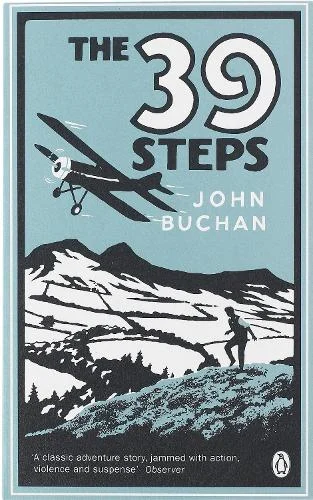
📖The Thirty Nine Steps by John Buchan: a breathless chase across Scotland that invented the modern action adventure thriller and has never been bettered on its own terms.
🌊 Survival Adventure
Fighting to stay alive against nature and circumstance. Survival adventure strips the genre down to its most primal form, and the results are some of the most gripping reading experiences in all of literature.
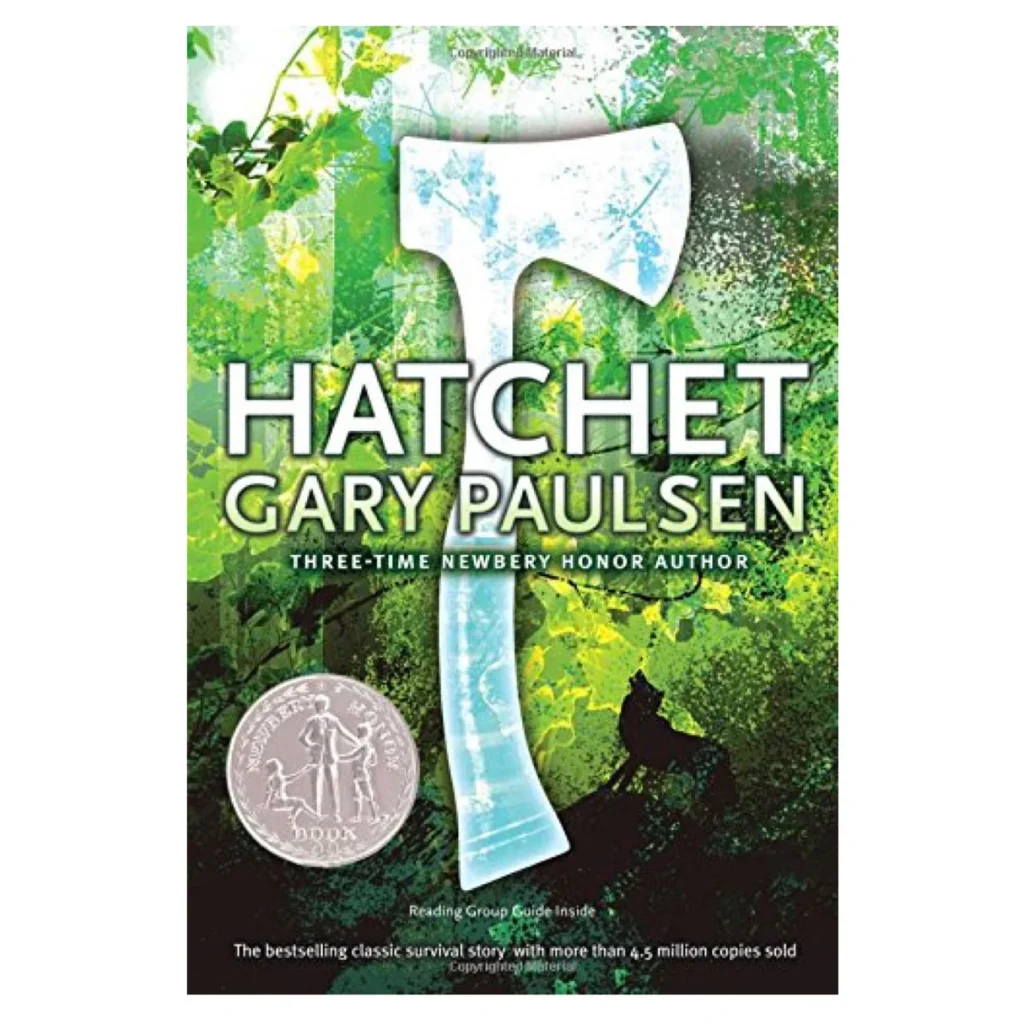
📖Hatchet by Gary Paulsen: a boy, a hatchet, and the Canadian wilderness. One of the most celebrated survival adventure novels ever written.
🏛️ Historical Adventure
Adventure set against real historical events and periods. History gives the story weight. Adventure gives it momentum. It places characters in the middle of real events and using the past as the backdrop for stories that feel both grounded and thrilling.
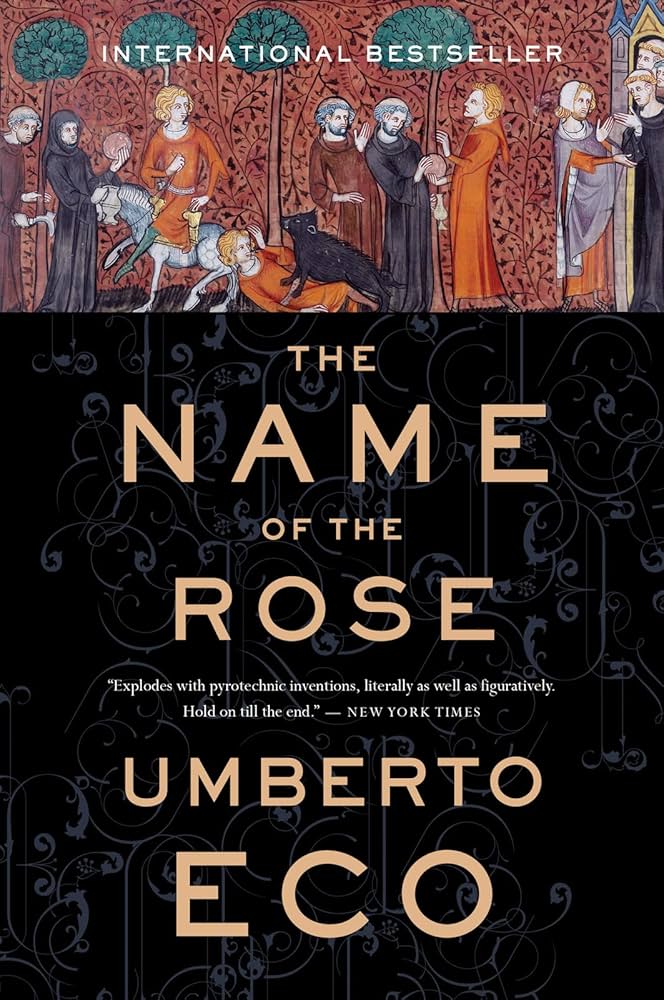
📖The Name of the Rose by Umberto Eco: a medieval murder mystery with the pace and tension of a thriller. One of the most celebrated historical adventure novels ever written.
🧭 Quest Adventure
Pursuing a single goal across great distances and impossible obstacles. The oldest adventure structure in storytelling. Quest adventure is as old as The Odyssey and as fresh as the most recent bestseller built around it.
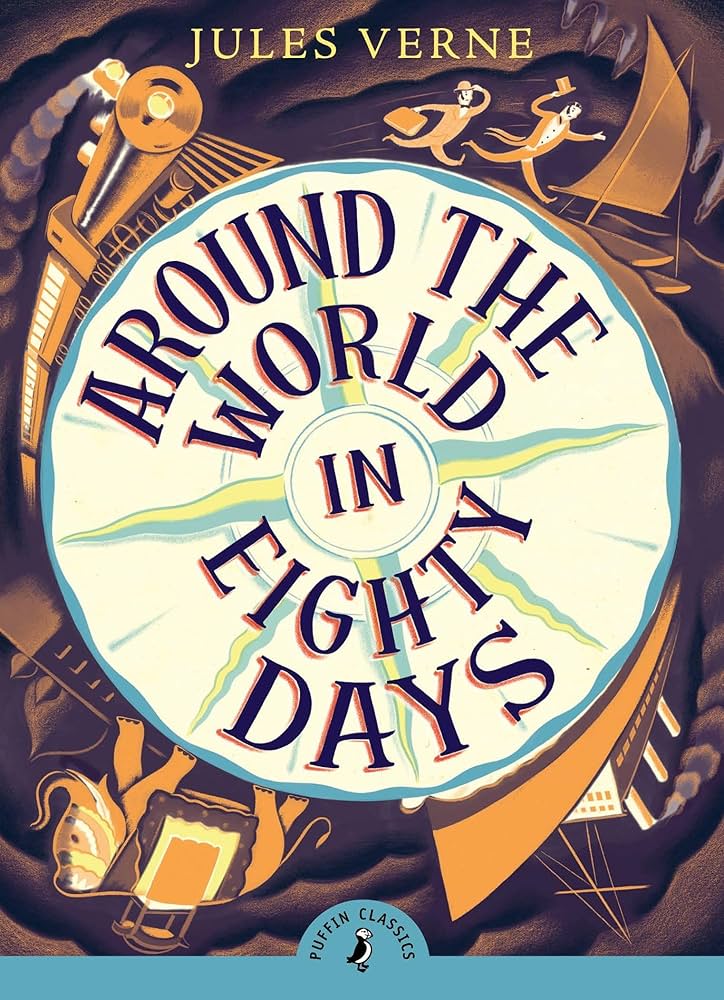
📖Around the World in Eighty Days by Jules Verne: a race against time across continents that remains one of the most entertaining quest adventures ever written.
📖 Biographical Adventure
True stories of extraordinary real lives. Sometimes the most extraordinary adventure stories are the ones that actually happened. Biographical adventure takes real people, explorers, survivors, soldiers, and pioneers, and tells their stories with the same pace and tension as the best fiction.
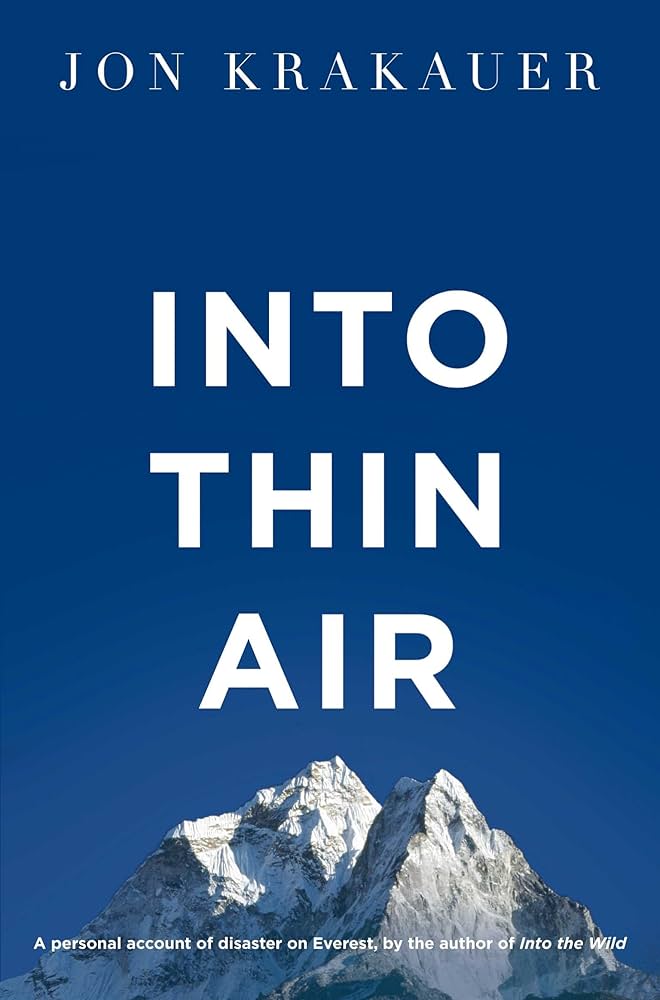
📖Into Thin Air by Jon Krakauer: a firsthand account of the 1996 Everest disaster. Gripping, devastating, and impossible to put down.
✈️ Travel Adventure
Journeys across the world and what they reveal. Adventure built around movement, across continents, through cultures, and into the unknown. Travel adventure is less about survival and more about transformation, the way a journey changes the person making it and reveals things about the world that could not have been discovered any other way.
📖In Patagonia by Bruce Chatwin: a landmark of travel adventure writing that turned a journey to the tip of South America into one of the most celebrated books of the twentieth century.
Every sub genre has its own entry points. But before exploring any corner of adventure, every reader should know the titles that built the genre from the ground up. These are the books that established what adventure could be. And they are still worth reading today.
The Classic Adventure Books Every Reader Should Know
These are the titles that built adventure from the ground up, still read, still celebrated, and still capable of pulling readers forward with the same energy they had when they were first published.
🏴☠️ Treasure Island bt Robert Louis Stevenson (1883) The adventure novel that defined the genre. Pirates, buried treasure, and a coming of age story that has captivated readers for over a century. Every pirate story that followed, in books, film, and television, owes something to what Stevenson built here.
⚔️ The Count of Monte Cristo by Alexandre Dumas (1844) A sweeping story of betrayal, imprisonment, and the most satisfying revenge in all of literature. One of the greatest adventure novels ever written, and one of the longest. Every page is worth it.
🐙 Twenty Thousand Leagues Under the Sea by Jules Verne (1870) A pioneering adventure into the depths of the ocean that inspired generations of readers and writers. Verne imagined technologies and possibilities that the world had never considered, and wrapped them in one of the most entertaining adventure stories ever told.
🗡️ The Three Musketeers by Alexandre Dumas (1844) Honor, loyalty, friendship, and swashbuckling adventure in equal measure. A classic that has never lost its energy, its humor, or its appeal, and a book that makes every reader wish they had a sword and three loyal companions.
Individual titles are worth owning. But some of the best adventure reading experiences come from committing to a series, and the box sets that collect them make ideal purchases for readers and gift givers alike.
Adventure Box Sets and Collections Worth Purchasing
The best adventure series are built for commitment, and owning them as a complete set is one of the most satisfying purchases a reader can make. These are the collections worth buying, owning, and returning to again and again.
📚 Classic Collections Worth Owning
- The Complete Jules Verne Adventure Collection: Twenty Thousand Leagues Under the Sea, Around the World in Eighty Days, Journey to the Center of the Earth, and more. An essential set for any adventure reader and one of the most gift worthy collections in the genre.
- The Alexandre Dumas Collection: The Three Musketeers, The Count of Monte Cristo, and The Man in the Iron Mask. Three of the greatest adventure novels ever written in a single collection — and a set that looks as good on a shelf as it reads in the hands.
- The Robert Louis Stevenson Collection: Treasure Island, Kidnapped, and Strange Case of Dr Jekyll and Mr Hyde. A beautifully curated collection from one of adventure fiction’s most celebrated and enduring voices.
📦 Modern Series Box Sets Worth Committing To
- The Hunger Games Trilogy Box Set by Suzanne Collins: All three books in one of the most celebrated adventure series of the modern era. A bestselling set that makes an ideal gift for readers of any age.
- The Percy Jackson and the Olympians Box Set by Rick Riordan: Five books of mythology driven adventure that have introduced an entire generation of younger readers to the genre. A set that adults enjoy just as much as the children it was written for.
- The Jack Reacher Series Box Set by Lee Child: Fast paced, relentlessly entertaining, and built for readers who want action adventure at its most committed. A series that has never lost its energy across more than two decades of publication.
Conclusion
The greatest adventure books share one quality above everything else, they make readers feel something real. The tension of survival. The satisfaction of discovery. The quiet but powerful recognition that ordinary people are capable of extraordinary things when the world demands it of them.
That feeling has kept adventure captivating readers for centuries. And it will keep captivating them for centuries more. The genre never runs out of journeys to take, and readers never run out of reasons to take them.
FAQs
- What are the best adventure books of all time?
Famous adventure classics include Treasure Island, The Adventures of Huckleberry Finn, and Journey to the Center of the Earth. They are known for exciting journeys, exploration, and daring characters.
- Which Lee Child book to read first?
A good starting point is Killing Floor, the first novel featuring Jack Reacher. It introduces the character and sets up the style of the entire series.
- What are some adventurous books?
Examples include The Hobbit, Life of Pi, and Into the Wild. These stories focus on survival, exploration, and thrilling journeys.
- What are 10 must-read books of all time?
Commonly recommended classics include 1984, To Kill a Mockingbird, Pride and Prejudice, and The Great Gatsby. Others often listed are Moby-Dick, War and Peace, and The Catcher in the Rye.
- What are 5 books everyone should read?
Popular choices include 1984, To Kill a Mockingbird, The Alchemist, The Great Gatsby, and Pride and Prejudice. These books are valued for their themes, storytelling, and cultural impact.
- What are classic adventure books?
Classic adventure books include Treasure Island, Robinson Crusoe, and Around the World in Eighty Days.










Related Posts



Stay Informed With the Latest & Most Important News
Previous Post
Next Post












Advertisement