Now Reading: Horror Books: The Ultimate Guide to the Scariest and Most Celebrated Titles in the Genre
-
01
Horror Books: The Ultimate Guide to the Scariest and Most Celebrated Titles in the Genre
Horror Books: The Ultimate Guide to the Scariest and Most Celebrated Titles in the Genre

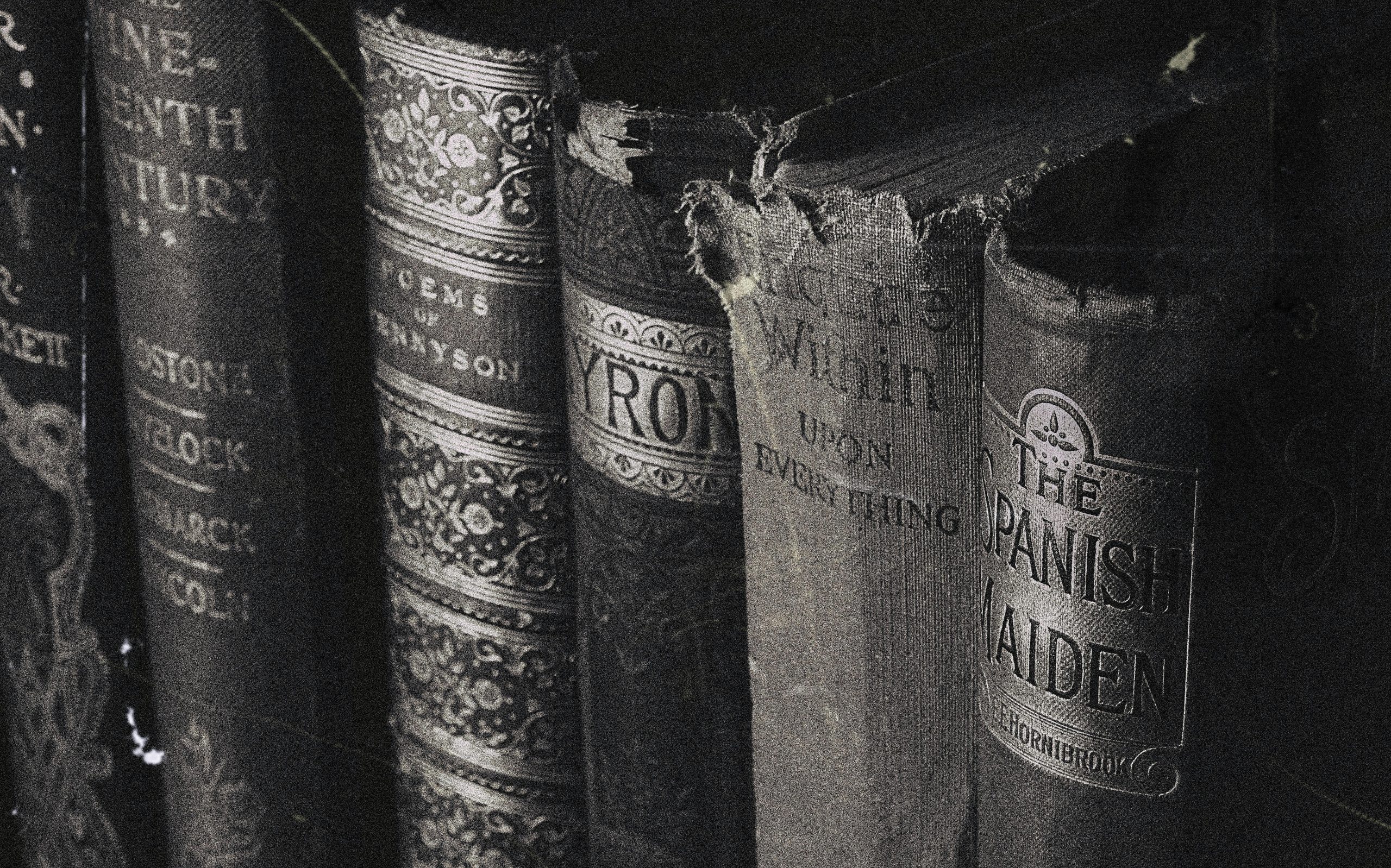
No other genre asks this much of its readers. Horror does not just entertain. It unsettles, reaching into the parts of human experience that daylight keeps hidden. The fears that have no names. The darkness that exists not out there in the world but inside the mind. And it asks readers to sit with all of it until the last page is turned.
Horror has built one of the most passionate reader communities in all of literature, because horror readers understand something outsiders often miss. Being genuinely frightened by a story is one of the most alive a reader can feel.
This guide goes into the nature of horror books, the psychology behind it and universal themes the genre delves into. It also mentions the subgenres dominating the reader community and the classic books that set the path for future literature.
Horror Books: A Genre Unlike Any Other
Horror is the genre that goes where others will not. Into the dark. Into the fear. Into the parts of human experience that are uncomfortable to examine in daylight, and impossible to ignore at night. It is one of four genres that have shaped the way readers engage with books, and the one that has perhaps reached deepest into the human psyche. But why do readers keep coming back for more? Science has some answers.
🧠 The Psychology Behind the Fear
One reason we consume horror is to experience stimulation. Exposure to terrifying acts, or even the anticipation of those acts, can stimulate us both mentally and physically: negatively in the form of fear or anxiety, or positively in the form of excitement or joy.
Seeking out scary stimuli in a safe environment may act as a form of imaginative exposure, leading to an improved sense of control and confidence in coping with fear. In other words horror does not just frighten readers. It makes them more resilient.
Horror novels make readers use their imagination, experiencing characters’ emotions through more intimate narration, which amps up the terror. A horror author takes pages to describe one quick movie scene, so the frights in a novel can really get in the reader’s head and linger.
📖 Books Do It Better
Horror is the only genre that uses fear as a tool for genuine emotional exploration. It takes grief, loss, identity, and the fragility of the world we think we know, and gives them teeth. The best horror is never just about the monster. It is about what the monster represents. And that is why it stays with readers long after the last page is turned.
Psychology explains the appeal. But horror’s power comes from something more specific, the themes it returns to again and again. The same fears. The same anxieties. The same dark corners of human experience that every generation has to walk through for itself.
The Themes That Define Horror
Horror keeps returning to the same fears, not because the genre lacks imagination but because these fears never fully go away. They are the fears every generation has to face for itself.
👻 Fear of the Unknown and the Supernatural
The oldest and most enduring fear in horror, the thing that cannot be seen, explained, or controlled. Ghosts, demons, and forces beyond human understanding tap into something primal that no amount of rational thinking fully quiets. The best supernatural horror does not just scare readers. It makes them question the edges of what they know.
🚪 Isolation and the Loss of Control
Being cut off from safety. From other people. From reality itself. Isolation is one of horror’s most reliable and most effective tools, because it removes the one thing that makes fear bearable. The knowledge that helps is on the way. The Shining, The Haunting of Hill House, and countless other classics are built entirely on this foundation.
🪞 Identity and Transformation
The fear of becoming something unrecognizable. Of losing the self to something external, or discovering that the self was never quite what the reader thought it was. Body horror, possession stories, and psychological horror all draw from this same deep well of anxiety about who we really are beneath the surface.
💔 Grief and Loss as Horror
Some of the most powerful horror ever written is not about monsters at all. It is about grief, the way loss distorts reality, isolates the people it touches, and refuses to resolve cleanly. Horror gives grief a shape and a name, and in doing so allows readers to process emotions they might otherwise have no outlet for.
🌑 The Monster Within
The most unsettling horror is rarely the creature outside. It is the darkness inside, the capacity for cruelty, obsession, and self destruction that human beings carry within themselves. The best horror holds that darkness up to the light, and asks readers to recognize something of themselves in what they see.
The same fears take very different shapes depending on where a reader looks. Horror is not a single genre, it is a family of them. And each one delivers those anxieties in a completely different way.
The Sub Genres of Horror
Horror covers more ground than most readers expect. Each sub genre delivers fear in a completely different way, and knowing the difference makes it far easier to find the titles that will hit hardest.
👻 Supernatural Horror
Ghosts, demons, and forces beyond explanation. The oldest and most enduring corner of horror, built on the fear of what cannot be seen, explained, or controlled. Supernatural horror does not just scare readers. It makes them question the edges of what they know.
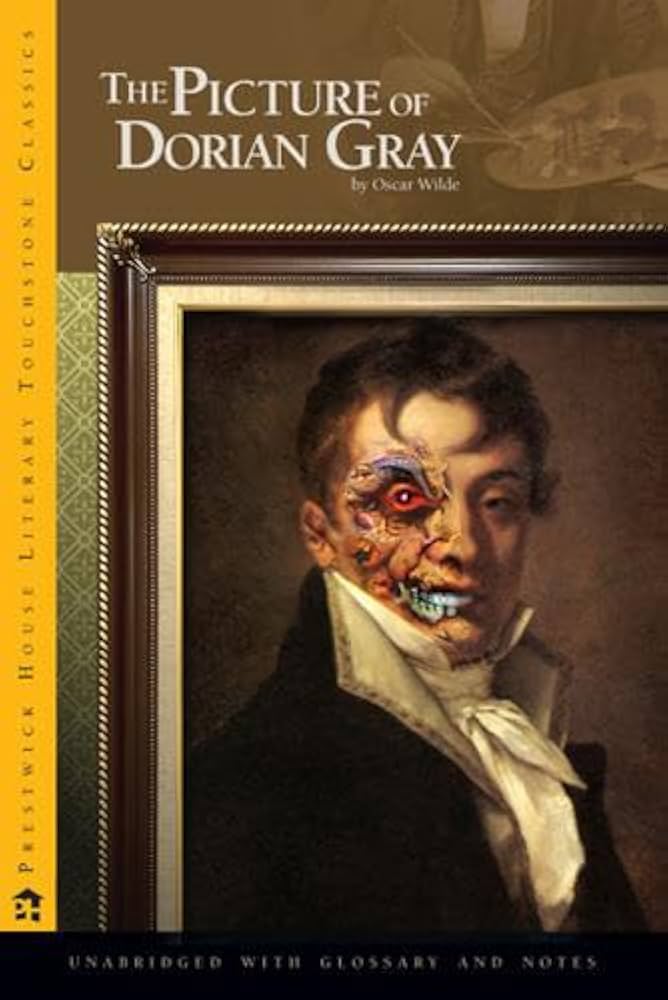
📖 The Picture of Dorian Gray by Oscar Wilde: a darkly elegant story of vanity, corruption, and a portrait that reveals the true cost of a life lived without conscience. One of the most celebrated gothic horror novels ever written.
🧠 Psychological Horror
The scariest monster is the human mind. No creature. No ghosts. Just the slow and terrifying unraveling of a character’s grip on reality, and the reader’s grip on what is actually happening. Psychological horror is the sub genre that lingers longest because it hits closest to home.
📖 Gone Girl by Gillian Flynn: a psychological thriller with horror undertones that kept readers guessing until the very last page.
🏚️ Gothic Horror
Atmosphere, decay, and the weight of the past. Dark mansions, crumbling estates, and secrets buried so deep they have become part of the architecture. Gothic horror is as much about mood as it is about fear, and the best examples create an atmosphere so thick it feels physical.
Rebecca by Daphne du Maurier: a gothic masterpiece of secrets, obsession, and a house that feels more alive than the people living in it. One of the most atmospheric and enduring gothic horror novels ever written.
🩸 Body Horror
The terror of physical transformation. The fear of losing control of the body, of becoming something unrecognizable, something wrong. Body horror is visceral, deeply unsettling, and uniquely effective at tapping into anxieties about identity, illness, and mortality.
📖The Fly by George Langelaan: the short story that inspired one of the most celebrated body horror films ever made. Brief, brutal, and impossible to forget.
🌌 Cosmic Horror
Insignificance in the face of something incomprehensible. Horror built not on fear of death but on the far more unsettling possibility that humanity is entirely irrelevant in a universe too vast and too indifferent to notice us. Cosmic horror does not just frighten, it destabilizes.
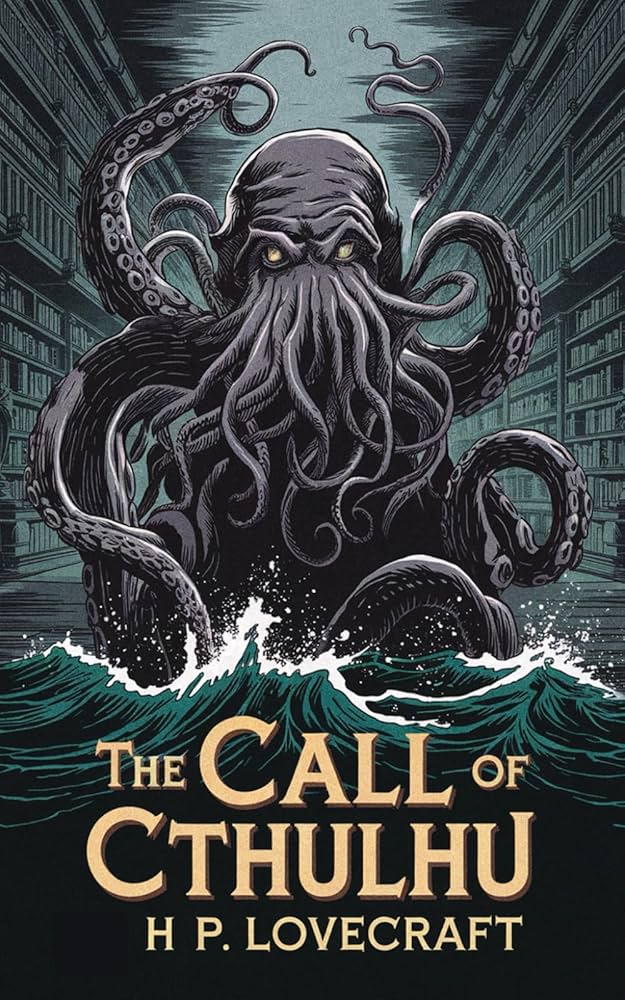
📖The Call of Cthulhu by H.P. Lovecraft: the short story that defined the sub genre and introduced a vision of cosmic indifference that has influenced horror ever since.
🔪 Slasher and Thriller Horror
Tension, pursuit, and survival. Fast paced, visceral, and built entirely on momentum. Slasher and thriller horror strips fear down to its most primal form, a threat, a chase, and the desperate question of who makes it out alive. The sub genre that keeps pages turning faster than any other.
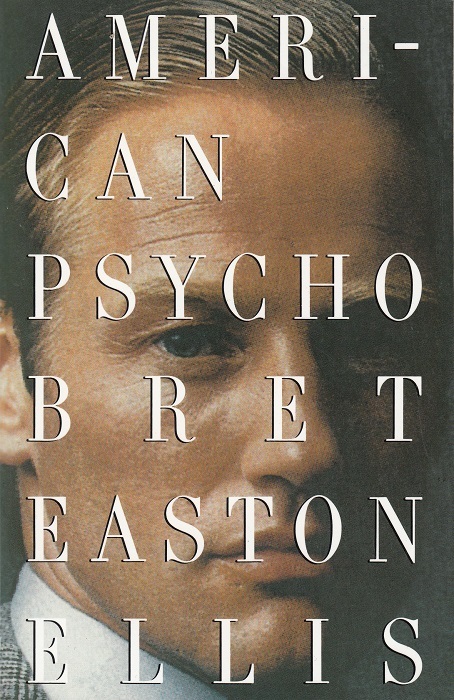
📖 American Psycho by Bret Easton Ellis: a deeply unsettling portrait of violence, consumerism, and the banality of evil that remains one of the most discussed thriller horror novels ever written.
🌾 Folk Horror
Ancient traditions and the darkness of isolated communities. One of the fastest growing sub genres in modern horror, built on the fear of communities with their own rules, their own rituals, and their own deeply unsettling relationship with the land they inhabit. Folk horror taps into the anxiety of being an outsider in a place with secrets older than anyone alive.
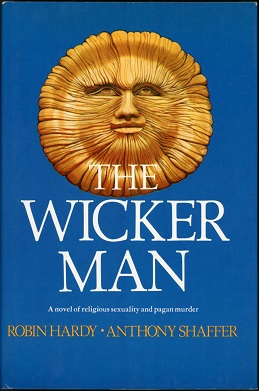
📖The Wicker Man by Robin Hardy and Anthony Shaffer: the novel behind one of the most celebrated folk horror stories ever told. Deeply atmospheric and impossible to shake.
Every sub genre has its own entry points. But before exploring any corner of horror, every reader should know the titles that built the genre from the ground up.
The Classic Horror Books Every Reader Should Know
These are the titles that built horror from the ground up, establishing its themes, its possibilities, and its darkest ambitions. Decades later they are still capable of unsettling readers who think they have seen everything the genre has to offer.
🧛 Dracula by Bram Stoker (1897) The novel that invented modern vampire fiction and shaped horror literature for over a century. Told through letters and diary entries, Dracula builds its dread slowly and deliberately.
⚡ Frankenstein by Mary Shelley (1818) The book that simultaneously invented science fiction and horror. A story about creation, responsibility, and the consequences of playing God that has never stopped being relevant.
🏚️ The Haunting of Hill House by Shirley Jackson (1959) Widely considered the finest haunted house novel ever written. Jackson builds dread through atmosphere and psychology, and the horror is never fully explained. That is exactly the point.
🎈 It by Stephen King (1986) The most celebrated horror novel ever written. A story about childhood fear, memory, and an ancient evil that feeds on the things that terrify its victims most.
🏨 The Shining by Stephen King (1977) Isolation, madness, and a haunted hotel that has terrified readers for decades. One of the most psychologically intense horror novels ever written.
Conclusion
Horror endures because fear never goes out of fashion. Every generation finds in horror a genre willing to look at its anxieties directly, to give them a shape and follow them into the dark. New readers discover old classics.
New authors push the genre into territory it has never explored before. And the conversation about the scariest books ever written never really ends. The only thing left to do is pick a title, turn off the lights, and start reading.
FAQs
- What makes a book “horror”?
A horror book is written to create fear, suspense, or unease in the reader. It often includes dark themes such as supernatural forces, monsters, or psychological terror.
- What are the top 10 horror books?
Popular horror books include Dracula, Frankenstein, It, The Shining, and The Haunting of Hill House. Others often listed are Pet Sematary, The Exorcist, Bird Box, and Mexican Gothic.
- What is the scariest book ever?
Many readers consider The Exorcist or Pet Sematary among the scariest ever written. Their intense psychological fear and disturbing themes make them deeply unsettling.
- What makes a horror book “literary”?
A literary horror book focuses not only on fear but also on deeper themes like human nature, trauma, or morality. It uses complex characters, rich language, and symbolism along with horror elements.
- What genre is a horror book?
Horror is a fiction genre designed to evoke fear, dread, or suspense. It often overlaps with genres like thriller, mystery, fantasy, or supernatural fiction.
- What horror should I read?
If you like classics, try Dracula or Frankenstein.
For modern horror, The Shining or Bird Box are great choices.
- What is “psychological” horror?
Psychological horror focuses on fear created by the mind rather than monsters or gore. It explores paranoia, mental breakdown, and disturbing thoughts that make the reader feel uneasy.

Related Posts
Stay Informed With the Latest & Most Important News
Previous Post
Next Post









Advertisement