Now Reading: Iconic Movie Characters That Cinema Will Never Forget🎬
-
01
Iconic Movie Characters That Cinema Will Never Forget🎬

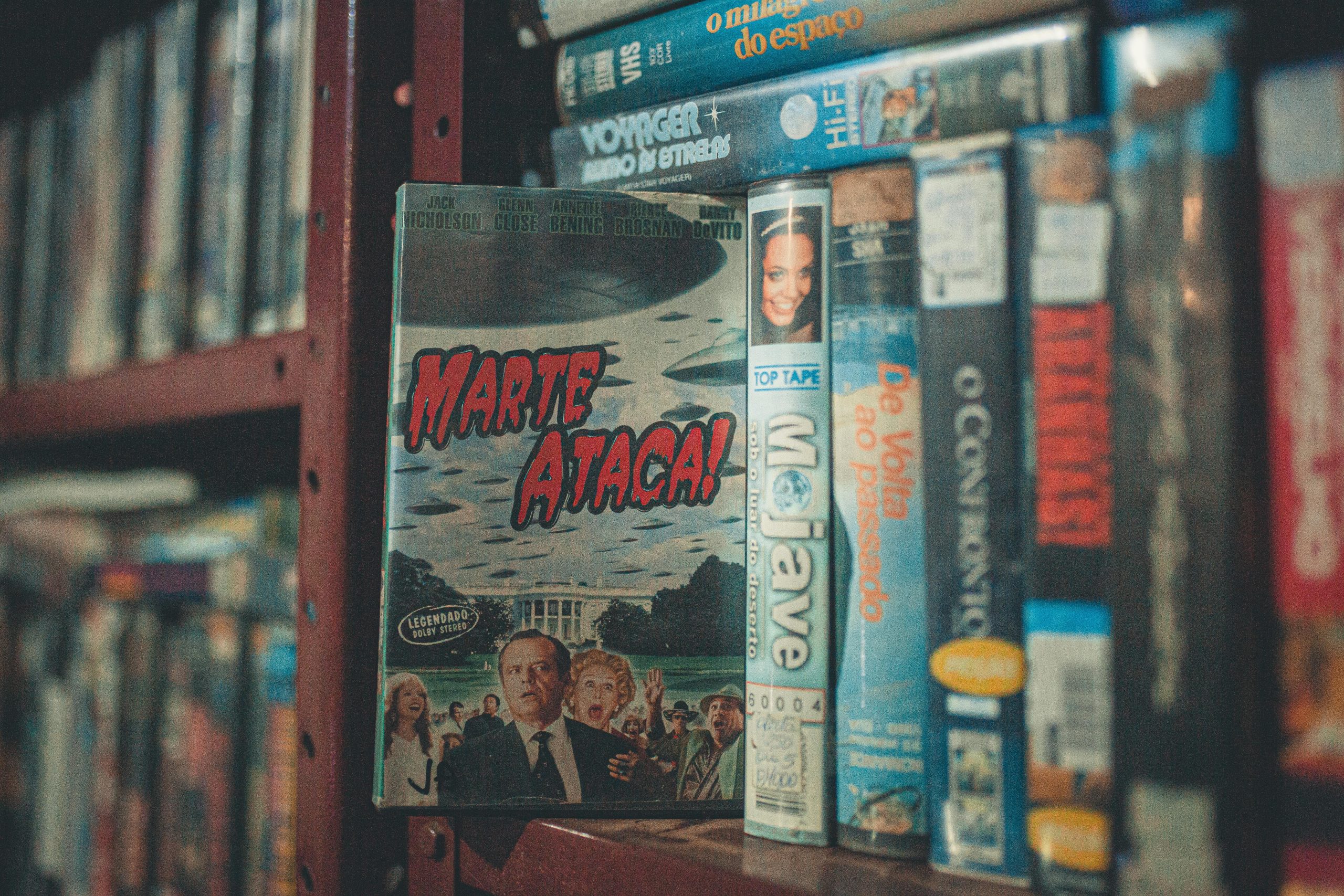
Some movie characters do not stay in their films. They escape. They crawl out of the screen and into the culture and take up permanent residence in the collective consciousness of everyone who has ever sat in a darkened room and let a story wash over them. They become the names people reach for when words fail. The references that need no explanation. The shorthand for entire human experiences that would otherwise take paragraphs to describe.
You know exactly what it means when someone calls a place their Citizen Kane moment. You know exactly what kind of person someone is describing when they say he pulled a Joker. You know the specific quality of stillness and menace being invoked when someone says that guy gave Hannibal Lecter vibes at the dinner table.
These characters are no longer just characters. They are vocabulary.
Cinema has produced thousands of memorable characters over its hundred year history. But iconic is a different category entirely. Iconic means the character outlasted the film, outlasted the era, and outlasted every cultural shift that should have made them feel dated. Iconic means people who have never seen the film still know the name.
Iconic means the character changed something, in cinema, in culture, or in the way audiences understood what a performance could actually do.
This is the list of the characters who did exactly that. Ranked, categorized, and completely without apology.
The Legends — Characters Who Built Cinema
These are the foundational icons. The characters who arrived early enough and landed hard enough to shape everything that came after them. The Legends are not just great characters. They are the reason certain types of characters exist at all.
Every antihero, every epic romantic lead, every morally complex protagonist owes something to the characters in this category whether they know it or not.
1. Charles Foster Kane — Citizen Kane (1941)
Charles Foster Kane is the character that cinema school professors use to explain what a character can be and what a film can do. Orson Welles was twenty five years old when he wrote, directed, and played him and produced what many still consider the greatest film ever made. Kane is the American dream as tragedy.
A man who acquires everything the world told him was worth having and ends up alone in a palace full of things, whispering a single word that nobody around him understands. Rosebud.
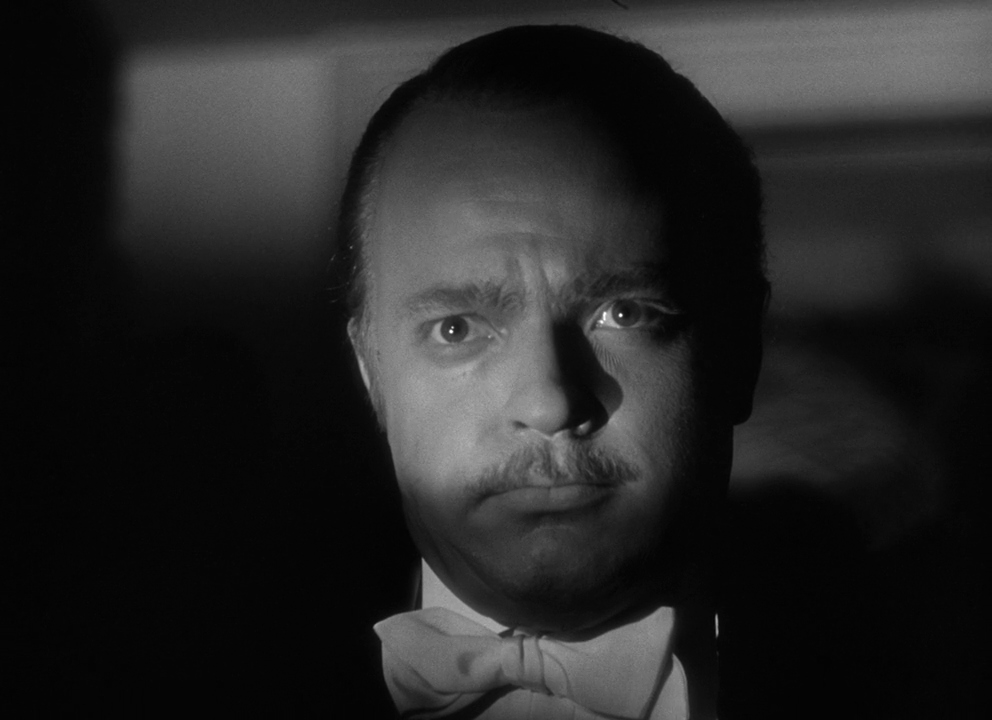
The most famous last word in cinema history and the key to a character so meticulously constructed that audiences are still unpacking him eighty years later.
2. Vito Corleone — The Godfather (1972)
Vito Corleone speaks quietly and the entire room leans in. Marlon Brando built one of the most commanding screen presences in cinema history out of stillness, restraint, and a performance so completely inhabited that it redefined what acting in film could look like. Vito Corleone is the patriarch, the protector, the man who built an empire on loyalty and fear and genuinely believed he was doing it for his family.
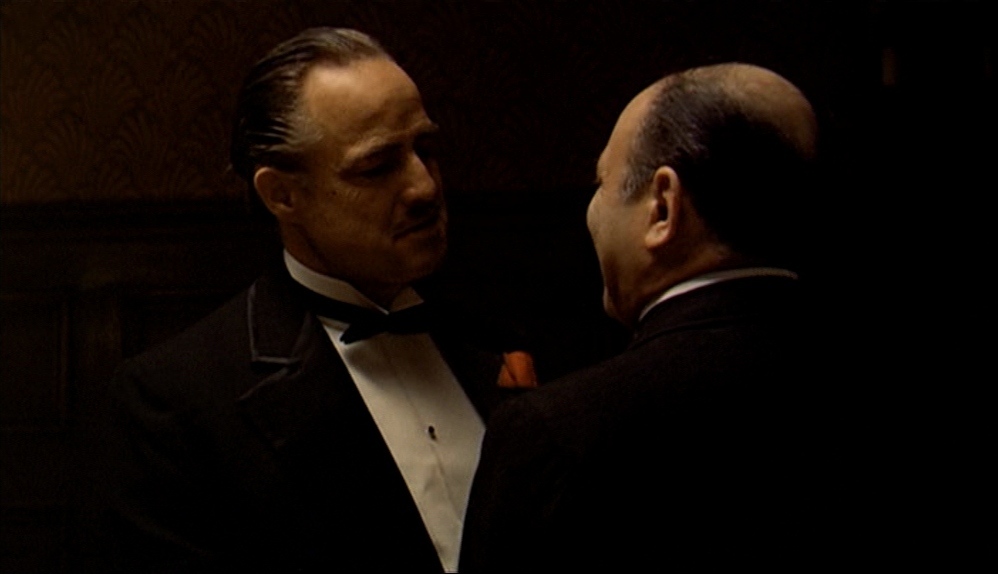
The Godfather is one of the greatest films ever made and Vito Corleone is the gravitational center around which everything else orbits. Every crime boss character that came after him exists in his shadow.
3. Scarlett O’Hara — Gone with the Wind (1939)
Scarlett O’Hara arrived in 1939 and has not stopped being argued about since. Vivien Leigh played her with such ferocious vitality and such complete commitment that Scarlett became one of cinema’s first truly complex female protagonists at a time when complex female protagonists were not exactly the industry standard.
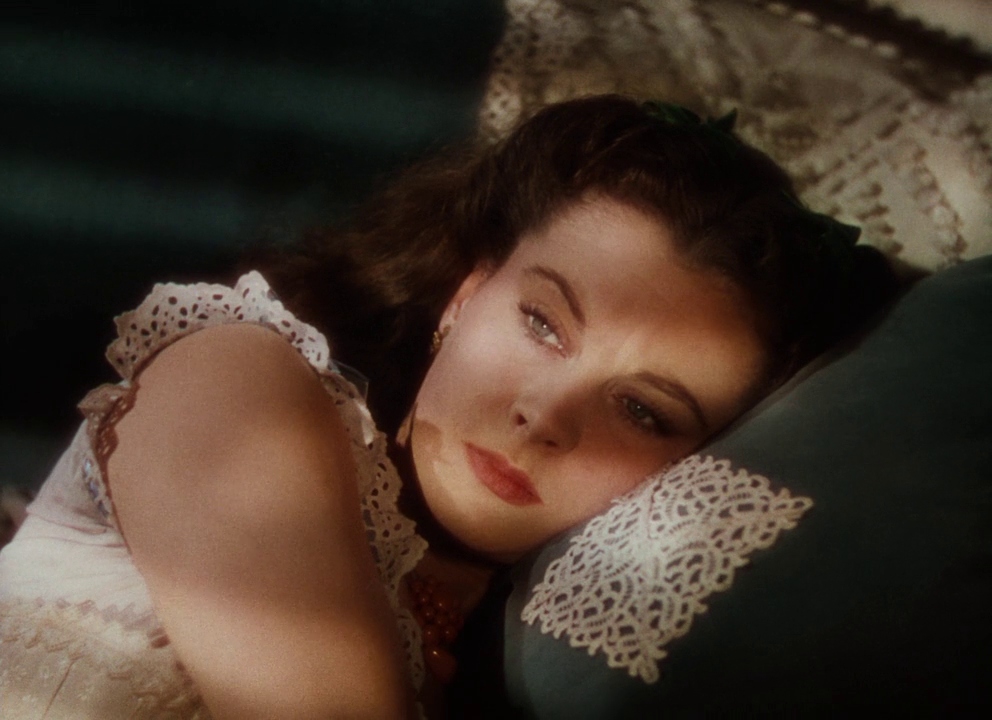
Selfish, resourceful, infuriating, and completely unstoppable, Scarlett O’Hara is the character who proved that a lead does not need to be likable to be legendary. After all, tomorrow is another day. Cinema has been quoting that line ever since.
The Legends did not just make great films. They made cinema itself possible in the form we know it today.
The Game Changers — Characters Who Rewrote the Rules
These are the characters whose arrival fundamentally changed what cinema thought was possible. Not just great performances in great films but genuine ruptures in the fabric of what audiences expected and what filmmakers believed they were allowed to do.
The Game Changers arrived, did something nobody had seen before, and left the entire industry recalibrating in their wake.
4. Ellen Ripley — Alien (1979)
Ellen Ripley did not arrive as a statement. She arrived as a warrant officer on a commercial spacecraft who made better decisions than everyone around her and survived because of it. That sounds simple. In 1979 it was revolutionary.
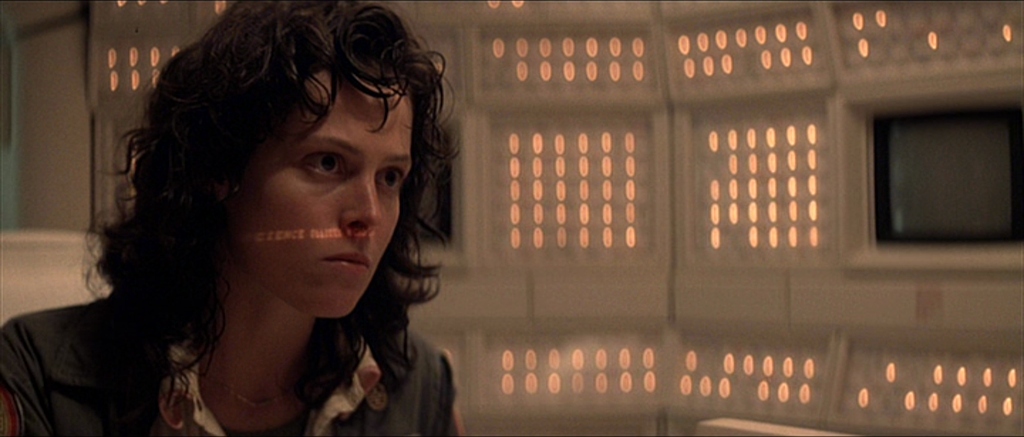
Sigourney Weaver created the template for the female action hero so completely and so convincingly that every woman who has carried a film in that genre since has been working in the space Ripley cleared. She was not written as a symbol.
She became one anyway because the performance was so grounded and so real that audiences had no choice but to believe in her entirely.
5. The Joker — The Dark Knight (2008)
Heath Ledger’s Joker is the performance that changed what a comic book film was allowed to be. Not a villain with a plan. A force of nature with a philosophy. Ledger built a character so unpredictable, so genuinely unsettling, and so completely unlike anything that had come before it in the genre that the film transcended its source material entirely and became something closer to a crime epic than a superhero movie.
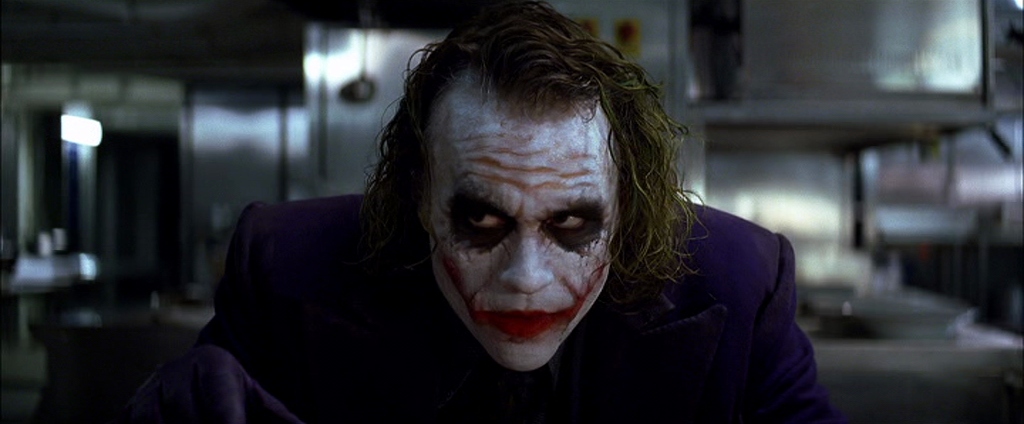
The Joker asks why so serious and the question has never stopped being relevant. Ledger died before the film was released. The performance is permanent.
6. Forrest Gump — Forrest Gump (1994)
Forrest Gump walked through the second half of the twentieth century and accidentally witnessed all of it. Tom Hanks played him with such warmth and such complete absence of irony that a character who could have been a gimmick became one of the most genuinely moving protagonists in mainstream cinema history.
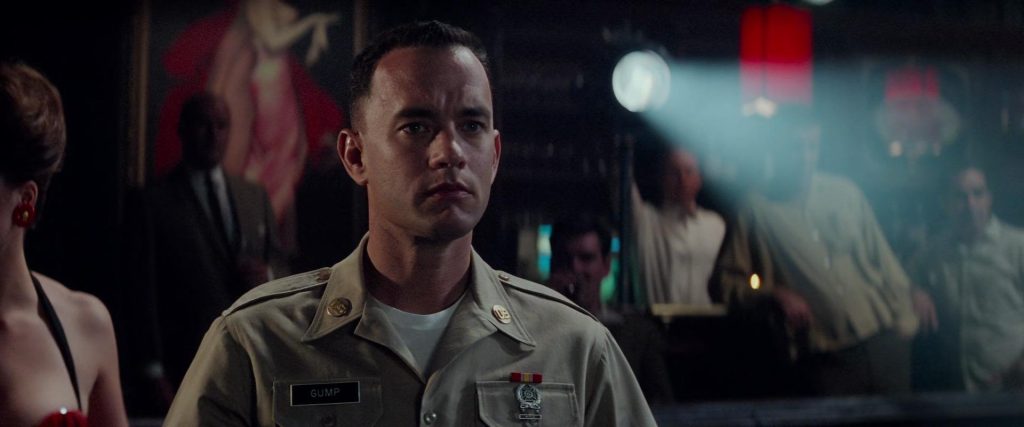
Forrest Gump changed what a blockbuster could be emotionally. It proved that sincerity was not a weakness in popular filmmaking and that a character defined by goodness rather than complexity could carry a film to something genuinely profound. Life is like a box of chocolates. Everyone knows the rest.
The Game Changers did not follow the rules of cinema. They rewrote them and then left before anyone could tell them they were not supposed to.
The Unforgettables — Characters Who Became Cultural Shorthand
These are the movie characters so specific and so perfectly realized that their names became adjectives, references, and universal shorthand for entire human experiences. You do not need to explain a Hannibal Lecter reference. You do not need to contextualize a Ferris Bueller comparison.
The Unforgettables are the characters who completed their journey from screen to language so thoroughly that most people who use their names as references have forgotten they were ever just characters in a film.
7. Hannibal Lecter — The Silence of the Lambs (1991)
Hannibal Lecter appears on screen for sixteen minutes in The Silence of the Lambs. Sixteen minutes. Anthony Hopkins won the Academy Award for Best Actor for those sixteen minutes and created one of the most indelible characters in cinema history without ever leaving his cell for most of the film.
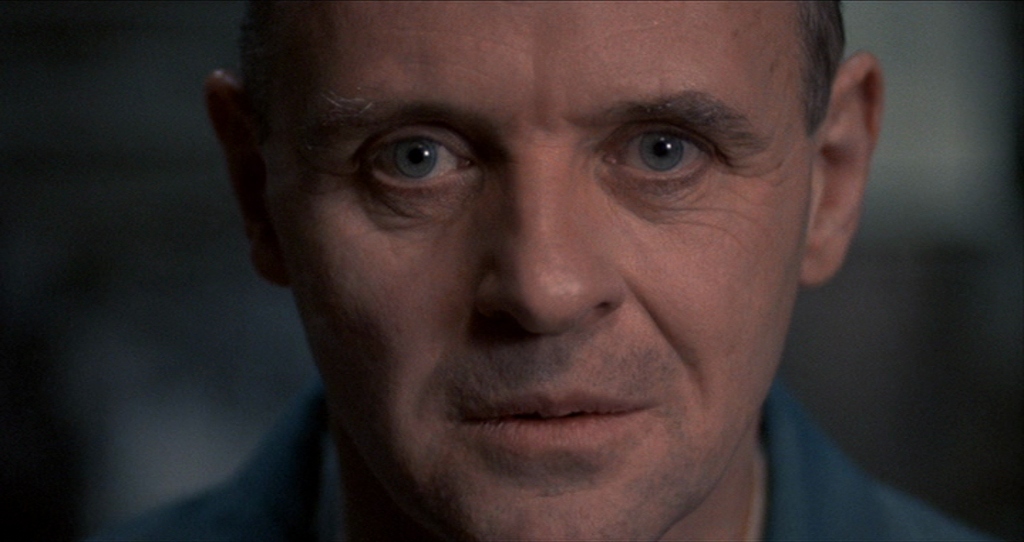
Lecter is terrifying not because of what he does but because of how completely in control he is at every moment. The intelligence. The courtesy. The absolute stillness that somehow communicates more menace than any amount of movement could. Hannibal Lecter is the unforgettable in its purest form.
A character so precisely constructed that a single scene is enough to understand everything about him and be unable to forget any of it.
8. Ferris Bueller — Ferris Bueller’s Day Off (1986)
Ferris Bueller breaks the fourth wall, orchestrates an entire city’s worth of chaos, and makes it all look like the most natural thing in the world. Matthew Broderick played him with such effortless charm and such genuine affection for the audience that Ferris became the fantasy of adolescent freedom made flesh.
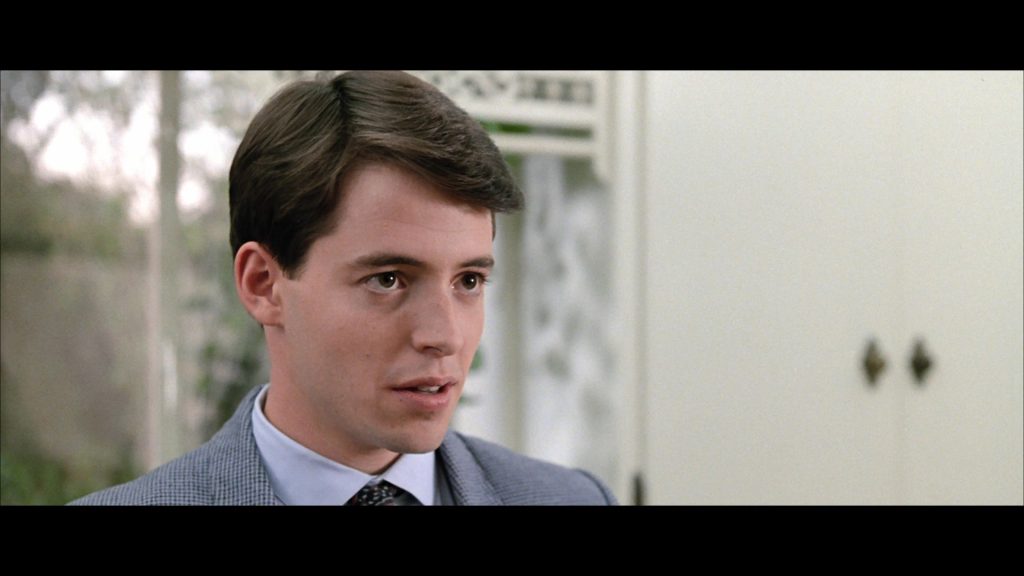
He is the character who looked directly at the camera and told you that life moves pretty fast and that if you do not stop and look around once in a while you could miss it. That line has been quoted in graduation speeches, eulogies, and motivational posters for forty years. Ferris Bueller said it first and said it best.
9. Amélie Poulain — Amélie (2001)
Amélie Poulain is the character who proved that a film could be made entirely out of whimsy and wonder and still say something true and lasting about loneliness, connection, and the quiet heroism of paying attention to the world around you.
Audrey Tautou played her with such precise, contained delight that Amélie became a visual language unto itself.
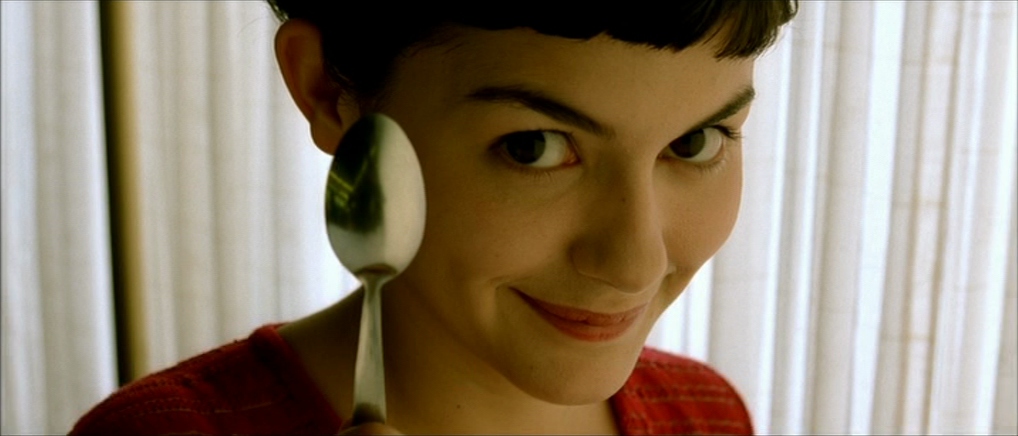
The film inspired an aesthetic, a sensibility, and an entire generation of filmmakers who wanted to make audiences feel exactly what Amélie made them feel. She is the Unforgettables category at its most gentle and its most enduring. Paris has never looked more like a feeling than it does through Amélie’s eyes.
The Unforgettables did not just inhabit their films. They escaped them entirely and took up permanent residence somewhere much larger.
The Ones Nobody Saw Coming
These are the characters who arrived without fanfare, without the weight of expectation, and without anyone predicting what they were about to do to the audience. No franchise. No cultural buildup.
No guarantee that anyone would remember them a week after release. The Ones Nobody Saw Coming became iconic entirely on their own terms, through performances so specific and characters so precisely drawn that they lodged themselves permanently in the cultural memory before anyone realized it was happening.
10. Anton Chigurh — No Country for Old Men (2007)
Anton Chigurh walks into No Country for Old Men and immediately makes every other screen villain feel slightly underdressed for the occasion. Javier Bardem built a character so completely devoid of recognizable human motivation that he becomes genuinely frightening in a way that most villains never achieve. Chigurh does not want money.
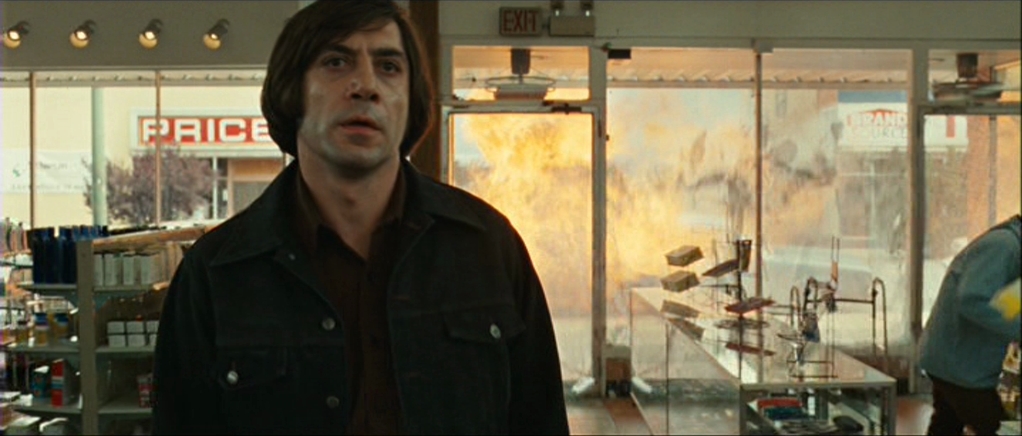
He does not want power. He operates according to a philosophy of fate and chance that is somehow more terrifying than any conventional motive could be.
The coin toss scene is one of the most tension-filled moments in modern cinema and it works entirely because of how completely Bardem inhabits a character that should not be this compelling and absolutely is.
11. Marge Gunderson — Fargo (1996)
Marge Gunderson is heavily pregnant, relentlessly cheerful, and the smartest person in every scene she is in. Frances McDormand won the Academy Award for Best Actress for a performance so warm and so quietly devastating in its competence that Marge became one of cinema’s most beloved characters without ever raising her voice or losing her composure.
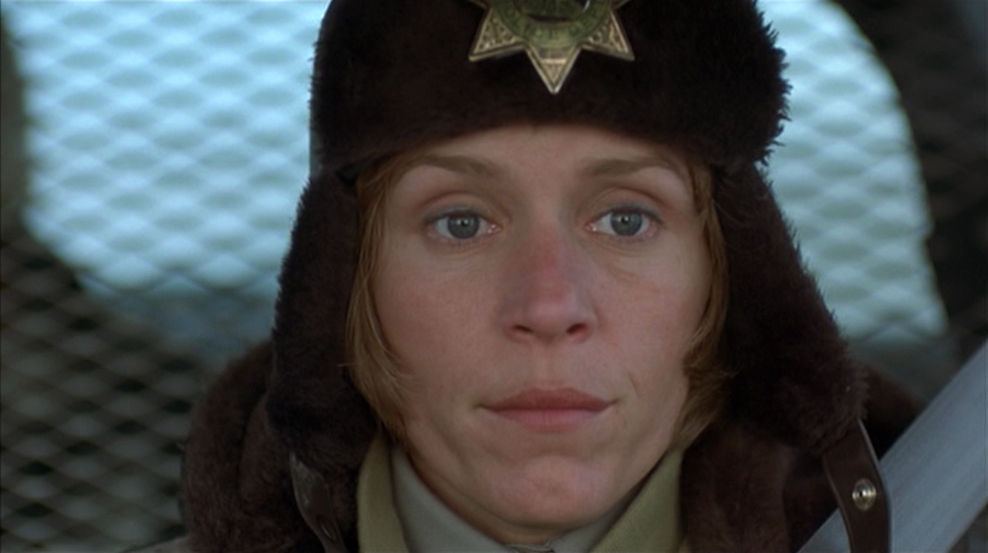
Fargo is a film full of chaos and violence and spectacularly bad decision making and Marge Gunderson walks through all of it with a thermos of coffee and an unshakeable moral clarity that makes her the most radical character in the film by a significant margin. Oh you betcha.
12. Travis Bickle — Taxi Driver (1976)
Travis Bickle drives through the streets of New York at night and narrates his own unraveling with a calm that is more unsettling than any amount of visible distress could be. Robert De Niro delivered one of the greatest performances in cinema history and created a character so interior and so precisely observed that You talkin to me became one of the most quoted lines in film history despite being improvised entirely on set.
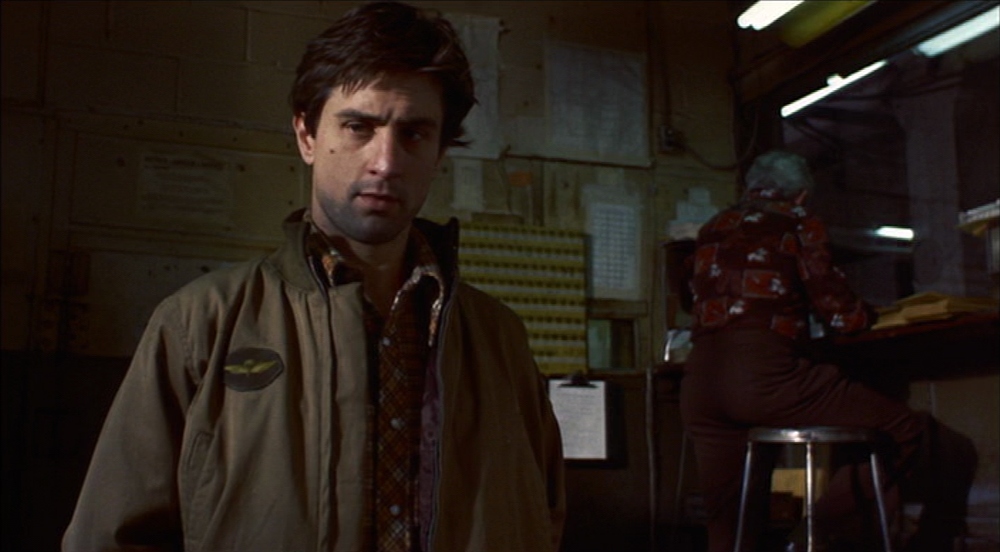
Travis Bickle is the Ones Nobody Saw Coming category in its rawest form. A character nobody could have predicted, in a film that nobody knew would become a landmark, built around a performance that has never been surpassed in its particular register of quiet, mounting dread.
The Ones Nobody Saw Coming did not announce themselves. They did not need to. The best characters never do.
The Verdict
Cinema has been producing iconic characters for over a hundred years and the ones on this list represent something specific and irreplaceable within that history. They are not here because they are the most popular or the most commercially successful or the most frequently cited in end of year lists. They are here because they did something that most characters never manage.
They became real.
Not literally. But in the way that matters more than literally. They became real in the sense that people reference them to describe actual human experiences. Real in the sense that their names carry meaning far beyond the films they came from.
Real in the sense that generations who were not alive when these films were released still know exactly who they are and exactly what they represent.
That is what iconic actually means. Not famous. Not beloved. Not critically acclaimed. Iconic means the character escaped the film entirely and became part of the language we use to understand the world. Every character on this list has done exactly that. Some of them did it loudly and some of them did it quietly and some of them did it sixteen minutes at a time.
The list could always be longer. The arguments about who deserves to be on it will run forever. That is the whole point. Cinema keeps producing characters that do this and the conversation about which ones qualify as truly iconic never closes. It just gets more interesting.










Related Posts
Stay Informed With the Latest & Most Important News
Previous Post
Next Post











Advertisement