Now Reading: Superhero Movies That Changed Hollywood
-
01
Superhero Movies That Changed Hollywood

Superhero movies are far more than flashy action sequences and epic battles—they have become a force that reshapes Hollywood itself. From the early comic book adaptations that first brought caped heroes to the big screen, to the sprawling blockbuster franchises that dominate modern box office charts, these films have left an indelible mark on filmmaking, storytelling, and global pop culture.
This article explores the most influential superhero movies that have transformed Hollywood, highlighting the films that not only entertained audiences but also revolutionized cinematic techniques, narrative structures, and the way studios approach blockbuster filmmaking. Whether through groundbreaking visuals, innovative storytelling, or cultural impact, these superhero films have changed the game forever.
Origins of Superhero Movies
The story of superhero cinema begins long before the era of billion-dollar blockbusters. In the 1930s and 1940s, audiences were first introduced to heroes on the silver screen through short serials—episodic films that often ran before feature presentations in theaters. Characters like Superman, Batman, and The Phantom leapt from comic pages to live-action, captivating viewers with thrilling cliffhangers, clear-cut moral conflicts, and larger-than-life abilities.
These early adaptations were typically low-budget, relying on inventive practical effects, miniature models, and camera tricks to depict feats of super strength, flight, or otherworldly powers. Despite limited resources, filmmakers successfully established the visual language of heroism: bold costumes, distinctive logos, and iconic gestures that instantly communicated a character’s identity.
Influence on storytelling techniques:
- Serial cliffhangers: Each chapter ended with a perilous situation, compelling audiences to return for the next installment.
- Archetypal heroes and villains: Clear distinctions between good and evil became a hallmark, setting the groundwork for character-driven stories.
- Moral lessons: Even in action-heavy plots, superheroes reinforced values like justice, bravery, and responsibility.
These key elements not only explain why superhero movies captivate audiences worldwide but also set the stage for how they’ve transformed Hollywood storytelling and blockbuster filmmaking.
What Makes Superhero Movies So Popular?
Superhero movies have captured the hearts of audiences worldwide, and their appeal goes far beyond flashy costumes and epic battles. Several elements come together to create the ultimate cinematic experience:
Iconic characters – From heroes like Spider-Man and Wonder Woman to antiheroes like Deadpool, these characters spark our imagination. Their courage, wit, and moral dilemmas make them relatable and inspiring, even amid superhuman circumstances.
Epic battles between good and evil – Superhero stories thrive on high-stakes conflict. Whether it’s a massive citywide showdown or a deeply personal struggle within the hero, these conflicts keep audiences on the edge of their seats and emotionally invested.
Spectacular visual effects – Gravity-defying stunts, jaw-dropping CGI battles, and fully realized fantastical worlds push the boundaries of filmmaking. These visuals immerse viewers in action-packed universes that feel both grand and believable.
Expanding cinematic universes – Franchises like the Marvel Cinematic Universe and DC Extended Universe create interconnected storylines across multiple films. Fans can follow their favorite characters’ journeys over years, deepening engagement and anticipation for every new release.
By combining compelling characters, thrilling conflicts, breathtaking visuals, and expansive storytelling, superhero films offer a cinematic experience that continues to redefine Hollywood blockbusters and captivate audiences around the globe.
Building on the appeal of iconic heroes and epic storytelling, superhero movies evolved into modern blockbuster spectacles, redefining how studios craft summer events and global cinematic experiences.
The Modern Blockbuster Era
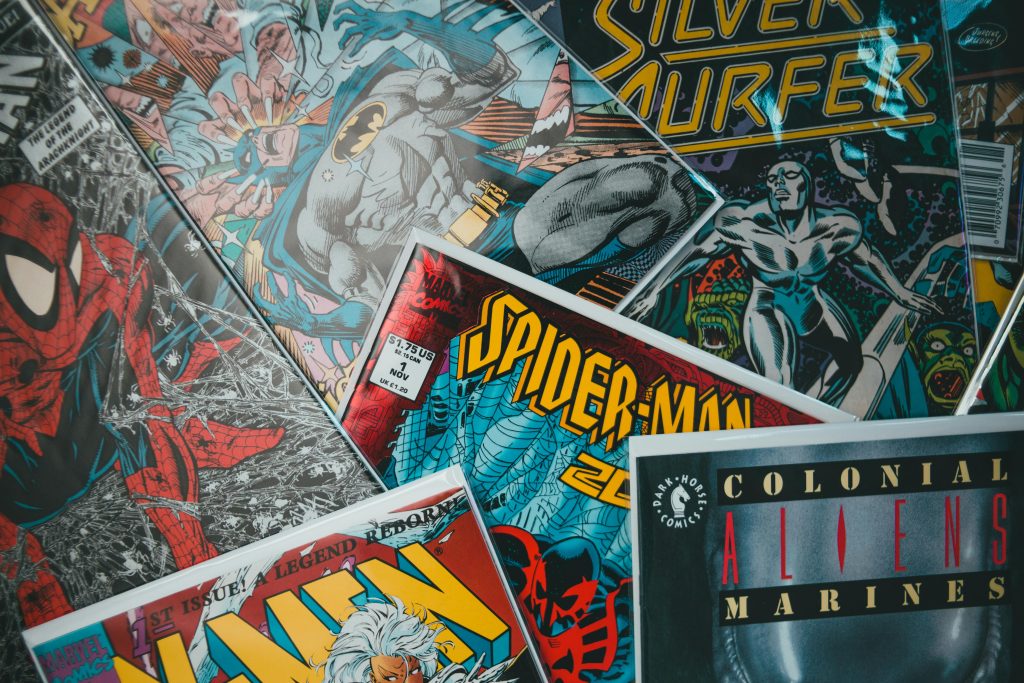
Superhero movies transitioned from niche comic book adaptations to global cinematic events, dominating summer box offices and shaping the way audiences experience blockbuster films. The rise of serialized storytelling—most prominently through the Marvel Cinematic Universe (MCU) and the DC Extended Universe (DCEU)—allowed studios to create interconnected narratives across multiple films. This approach not only encourages audience loyalty but also transforms individual movies into chapters of a larger, immersive saga.
1 – The Dark Knight (2008)
Studio: DC · Warner Bros,Director: Christopher Nolan, IMDb Rating: ★ 9.0
Christopher Nolan’s The Dark Knight isn’t just the pinnacle of superhero cinema — it’s widely regarded as one of the greatest films of the 21st century. Using the Batman mythology as a canvas, Nolan explores chaos, justice, heroism, and the ethics of surveillance, elevating the story beyond a traditional comic book adaptation.
Heath Ledger’s portrayal of the Joker remains one of cinema’s most terrifying and fully realized villains, his performance so electric and transformative that the film is almost unimaginable without it. Nolan’s use of IMAX cinematography and practical effects creates action sequences that are both spectacular in scale and meticulously choreographed, setting a new standard for blockbuster filmmaking.
The Dark Knight succeeds not only as a superhero film but also as a crime thriller, character study, and philosophical meditation, cementing its status as a defining cultural milestone.
2.Spider-Man: Into the Spider-Verse (2018)
Studio: Sony,Directors: Rodrigo Bátiz, Bob Persichetti, Peter Ramsey,IMDb Rating: ★ 8.4
Runtime: 1h 57m | PG
Spider-Man: Into the Spider-Verse redefined what a superhero film could look like. Following Miles Morales as he becomes Spider-Man, the film combines an emotionally complete origin story with groundbreaking animation. Its central message — “anyone can wear the mask” — resonates deeply, emphasizing inclusivity, identity, and heroism in a fresh and compelling way.
The animation itself is visually revolutionary, blending multiple styles to capture the dynamic feel of comic book art. Each stylistic choice supports the story, creating a cinematic experience that is both playful and profound. The film won the Academy Award for Best Animated Feature, and its innovative techniques have influenced countless animated and live-action superhero projects since.
3. Avengers: Infinity War (2018)
Studio: Marvel Studios (MCU)Directors: Anthony & Joe Russo IMDb Rating: ★ 8.4Runtime: 2h 29m | PG-13
Avengers: Infinity War represents the pinnacle of serialized superhero storytelling. Bringing together 30+ characters from the Marvel Cinematic Universe, the film balances ensemble dynamics while maintaining emotional stakes for each hero. Its villain, Thanos, stands out as one of the most compelling and well-developed antagonists in modern cinema — his motivations are coherent, his methods formidable, and his presence commanding.
The film’s tragic ending, famously known as “the Snap,” shocked audiences worldwide, demonstrating that superhero films could take genuine narrative risks. Despite being the first part of a larger story arc, Infinity War succeeds as a high-stakes, emotionally resonant blockbuster on its own.
4.Batman Begins (2005)
Studio: DC / Warner Bros.Director: Christopher NolanIMDb Rating: ★ 8.2Runtime: 2h 20m | PG-13
Batman Begins redefined the superhero origin story, introducing psychological depth and realism to a genre often dominated by spectacle. Nolan transforms Gotham into a tangible city with real consequences, giving audiences a noir-infused atmosphere where fear and corruption feel palpable.
Christian Bale’s Bruce Wayne combines physicality with emotional nuance, presenting a hero shaped by trauma and moral struggle rather than mere superpowers. Cillian Murphy’s Scarecrow provides a subtle yet chilling antagonist, complementing the grounded, character-focused approach. While frequently overshadowed by its acclaimed sequel, Batman Begins is the cornerstone that enabled The Dark Knight’s monumental success.
5. Iron Man (2008)
Studio: MCU / Marvel StudiosDirector: Jon Favreau | IMDb Rating: ★ 7.9Runtime: 2h 6m | PG-13
Iron Man launched the Marvel Cinematic Universe and proved that a superhero film could be both personality-driven and commercially revolutionary. Robert Downey Jr.’s performance as Tony Stark is the film’s cornerstone — his improvisational charisma shapes the character and the story, making him instantly iconic.
The opening Afghanistan sequence establishes moral stakes, giving Stark’s transformation from arms dealer to hero emotional and narrative weight. Favreau’s direction emphasizes practical effects and grounded storytelling, balancing spectacle with character, and many of the film’s best moments were unscripted, adding spontaneity and humor.
6.The Dark Knight Rises (2012)
Studio: DC / Warner Bros.Director: Christopher NolanIMDb Rating: ★ 8.4Runtime: 2h 44m | PG-13
The Dark Knight Rises serves as the ambitious conclusion to Nolan’s Batman trilogy, aiming for epic scale and thematic closure. Tom Hardy’s Bane is a physically intimidating and vocally distinct villain, whose presence dominates every scene he appears in.
The film’s opening act, which dismantles Gotham’s complacency, is strategically compelling and well-executed, highlighting the hero’s challenge in both personal and societal terms. The final act contains some logical inconsistencies, but the film’s sheer ambition and spectacle partially mitigate these flaws.
7.Joker (2019)
Studio: DC / Warner Bros.Director: Todd PhillipsIMDb Rating: ★ 8.4Runtime: 2h 2m | R
Joker redefines what a superhero-related film can be, functioning less as a conventional comic adaptation and more as a psychological character study. Joaquin Phoenix delivers one of the most physically and psychologically committed performances in modern superhero cinema, portraying Arthur Fleck’s transformation into the Joker with disturbing depth.
The film draws heavy influence from Taxi Driver and The King of Comedy, exploring radicalization, societal neglect, and institutional failure in a decaying Gotham City. Its deliberately ambiguous politics provoke debate, forcing viewers to grapple with their own interpretation of morality, empathy, and culpability.
From origin stories that grounded heroes in reality to sprawling cinematic universes that redefined blockbuster storytelling, superhero movies have reshaped Hollywood in ways few genres ever have.
Conclusion
Superhero movies have evolved from simple comic book adaptations into cultural phenomena that shape the way Hollywood tells stories. From the groundbreaking origins of characters like Batman and Iron Man to the ambitious scope of films like Avengers: Infinity War and Spider-Man: Into the Spider-Verse, these films have combined innovative visuals, complex characters, and interconnected storytelling to captivate audiences across generations. Beyond their box office success, superhero films have pushed the boundaries of filmmaking itself—introducing new technical innovations, inspiring emotional investment, and challenging what blockbuster cinema can achieve. Ultimately, the genre’s power lies not just in action-packed battles or larger-than-life powers, but in its ability to explore universal themes of heroism, identity, and morality, leaving a lasting impact on both Hollywood and global audiences alike.
FAQs
Q1: What are the top 10 best superhero movies?
- The Dark Knight (2008) – DC
- Spider-Man: Into the Spider-Verse (2018) – Sony/Marvel
- Avengers: Infinity War (2018) – MCU
- Batman Begins (2005) – DC
- Iron Man (2008) – MCU
- The Dark Knight Rises (2012) – DC
- Joker (2019) – DC
- Black Panther (2018) – MCU
- Guardians of the Galaxy (2014) – MCU
- Logan (2017) – Marvel/20th Century Fox
Q2: What are the top 10 best DC movies?
- The Dark Knight (2008)
- The Dark Knight Rises (2012)
- Batman Begins (2005)
- Joker (2019)
- Wonder Woman (2017)
- Man of Steel (2013)
- Aquaman (2018)
- Shazam! (2019)
- Suicide Squad (2016)
- Justice League (2017)
Q3: What are the top 10 Marvel movies?
- Avengers: Infinity War (2018)
- Iron Man (2008)
- Black Panther (2018)
- Spider-Man: Into the Spider-Verse (2018)
- Guardians of the Galaxy (2014)
- Avengers: Endgame (2019)
- Captain America: The Winter Soldier (2014)
- Thor: Ragnarok (2017)
- Doctor Strange (2016)
- Ant-Man (2015)
Q4: What makes a superhero movie memorable?
A memorable superhero film combines iconic characters, epic conflicts, strong emotional stakes, and groundbreaking visuals, often leaving a lasting impact on both audiences and the broader film industry.










Related Posts



Stay Informed With the Latest & Most Important News
Previous Post
Next Post












Advertisement