Now Reading: Movie Characters: The Ultimate Guide to the Most Iconic in Film History
-
01
Movie Characters: The Ultimate Guide to the Most Iconic in Film History

Movies live and die by their characters. Not their budgets. Not their special effects. Not the number of explosions per act or the size of the set or the ambition of the cinematography. All of those things matter but none of them are what we remember when the lights come back on and we walk out into the world carrying a film with us.
What we remember is a person. The way they walked into a room. The thing they said that lodged itself permanently in our memory.
The moment they did something that made us catch our breath or laugh out loud or sit very still because something on screen had just said something true about being human that we had never heard expressed quite that way before.
Movie characters are the reason we have favorite films. They are the reason we rewatch things we have already seen a dozen times. They are the reason certain titles never leave the cultural conversation no matter how many decades pass. We do not quote cinematography at dinner tables. We quote characters. We do not argue about production design.
We argue about whether a specific character made the right decision and what it says about them that they did.
This is the definitive ranked list of the most iconic movie characters in film history. Twenty characters across every era, every genre, and every corner of cinema that the imagination has ever explored. Some of them are heroes. Some of them are villains. Some of them are something far more interesting than either.
All of them changed cinema in ways that are still visible today.
What Makes a Movie Character Truly Iconic
Every film has characters. Not every film has iconic ones. The gap between the two is wider than it looks and understanding what sits in that gap is the key to understanding why certain characters outlast everything around them while others disappear the moment the credits roll.

The first quality is specificity. Iconic movie characters are never generic. They have particular ways of speaking, moving, thinking, and existing in the world that make them impossible to substitute with anyone else. You cannot replace Hannibal Lecter with a different brilliant villain and get the same result.
You cannot swap Amy Dunne for a different calculating antagonist and retain what makes Gone Girl what it is. Specificity is what makes a character irreplaceable and irreplaceable is the first requirement for iconic.
The second quality is emotional truth. The characters that last are the ones that feel real in the ways that matter most. Not necessarily realistic. Shrek is not realistic. Wall-E is not realistic.
But both of them feel emotionally true in ways that connect with something genuine in the audience and that connection is what transforms a well written character into something permanent.
The third quality is cultural penetration. An iconic movie character is one whose name, mannerisms, whose most famous lines and moments have escaped the film entirely and entered the language.
You do not need to have seen The Godfather to know what an offer you cannot refuse means. You do not need to have seen Alien to understand what it means when someone says they are channeling their inner Ripley. Cultural penetration is the final test and the hardest one to engineer. The characters that pass it did not pass it by design.
They passed it by being so completely and specifically themselves that the rest of the world recognized something universal in it.
Longevity is the proof. A character that people are still talking about fifty years after the film’s release did not get there by accident. It got there by being all three of these things simultaneously and sustaining them across every rewatch, every cultural shift, and every new generation of audiences discovering it for the first time.
The 20 Most Iconic Movie Characters of All Time
These are not just great characters from great films. They are characters that escaped their films entirely, embedded themselves in the culture, and have been living there ever since.
1. Darth Vader — Star Wars (1977)
Darth Vader is the most recognizable villain in cinema history and it is not particularly close. The breathing. The helmet. The voice. James Earl Jones delivered six words — I am your father — and produced the most iconic plot twist in the history of popular filmmaking.
Darth Vader is the character that proved a villain could be the most compelling presence in a franchise, could carry an entire mythology on his shoulders, and could make an audience feel genuine tragedy for someone who spent three films doing genuinely terrible things.
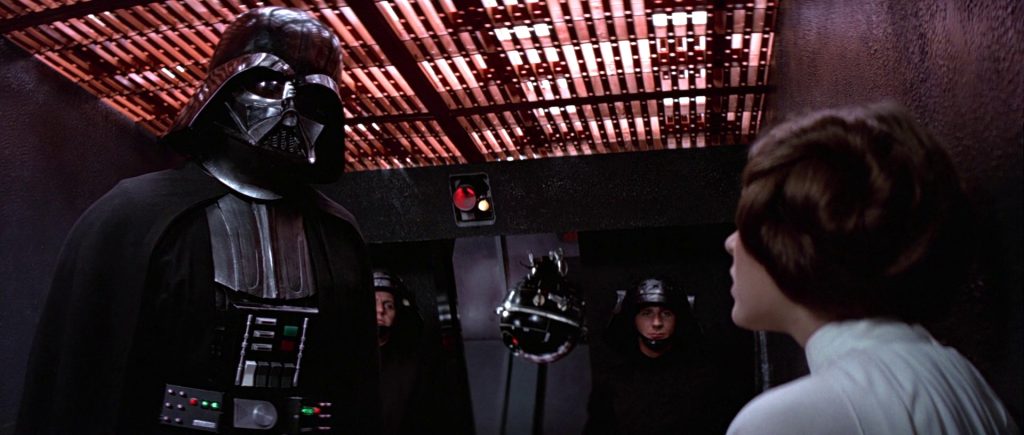
The redemption arc only works because the character was so completely realized from the beginning. Everything else in the Star Wars universe exists in his shadow.
2. Sherlock Holmes — Various
Sherlock Holmes has been played by more actors in more adaptations across more decades than any other fictional character in history and has remained iconic through all of it. That is not longevity. That is permanence. The deerstalker. The pipe. The extraordinary mind that sees everything and explains it with a precision that makes everyone around him feel simultaneously inadequate and grateful.
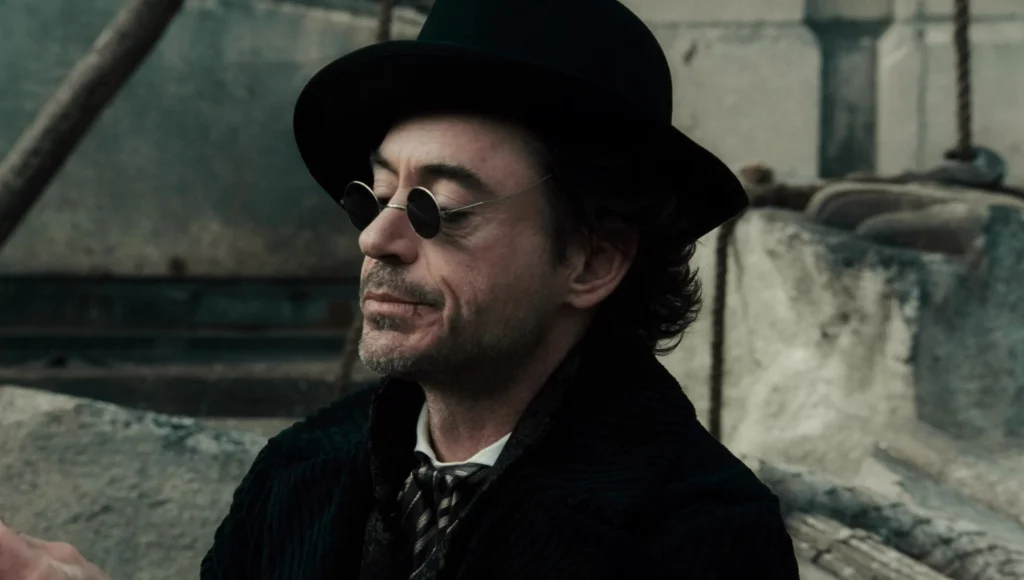
Sherlock Holmes is the character that defined an entire genre, established the template for every brilliant detective that followed, and remains as culturally relevant today as he was when Arthur Conan Doyle first put him on the page. Elementary is all the proof anyone needs.
3. Norman Bates — Psycho (1960)
Norman Bates arrived in 1960 and changed what a film villain was allowed to be. Not a monster. Not a cartoon of evil. A quiet, polite, deeply troubled young man who ran a motel and loved his mother and became one of the most chilling presences in cinema history precisely because of how ordinary he seemed.
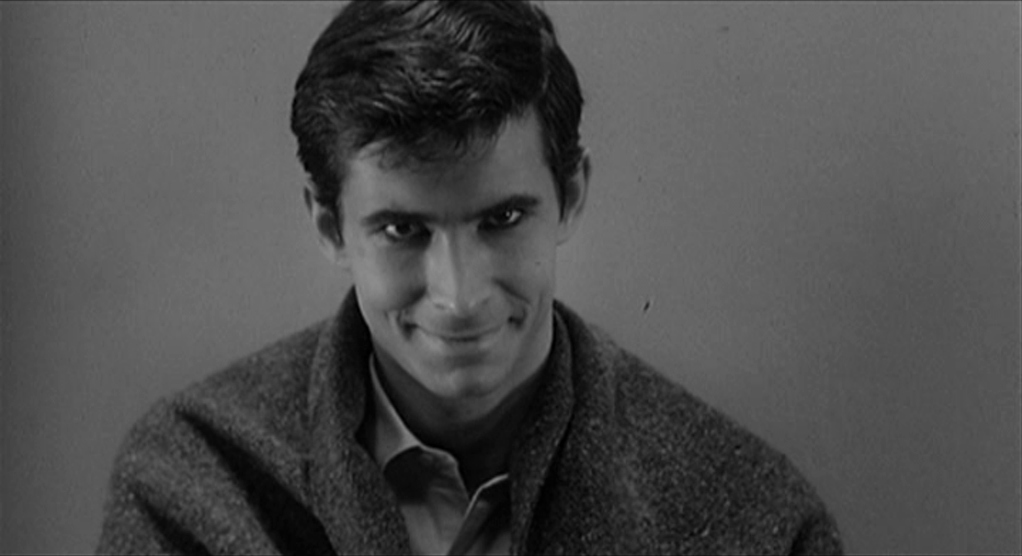
Anthony Perkins played him with such careful, calibrated vulnerability that the horror of Psycho lands differently than any conventional thriller could manage. Norman Bates is the character that invented the psychological thriller as a genre and every unreliable, disturbing, quietly menacing antagonist that has come since owes him a significant debt.
4. Holly Golightly — Breakfast at Tiffany’s (1961)
Holly Golightly is one of the most recognizable images in cinema history before you even know anything about her story. Audrey Hepburn created a character so visually and emotionally specific that she became a symbol for a certain kind of glamorous, untethered, searching femininity that cinema had never quite captured before and has never quite replicated since.
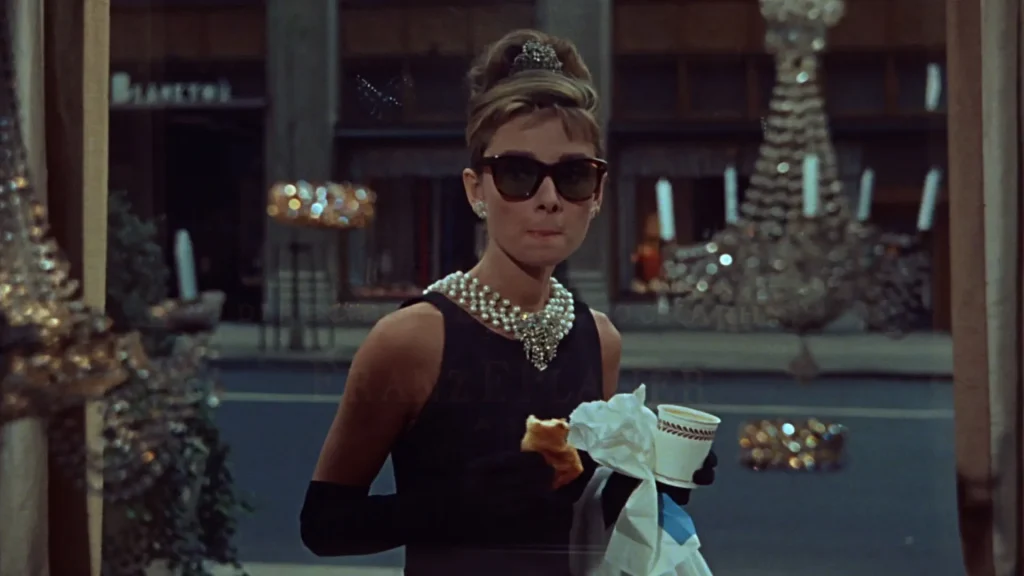
Holly is funny and sad and free and completely lost all at once and the film is honest enough to hold all of those things simultaneously without resolving them too neatly.
She is the female movie character that proved style and substance were never mutually exclusive.
5. The Terminator — The Terminator (1984)
The Terminator does not feel pain. It does not feel pity or remorse or fear. And it absolutely will not stop. Arnold Schwarzenegger built one of the most iconic screen presences in action cinema history out of stillness, physical menace, and a performance of almost total emotional absence that somehow produced a character more compelling than most fully realized human ones.
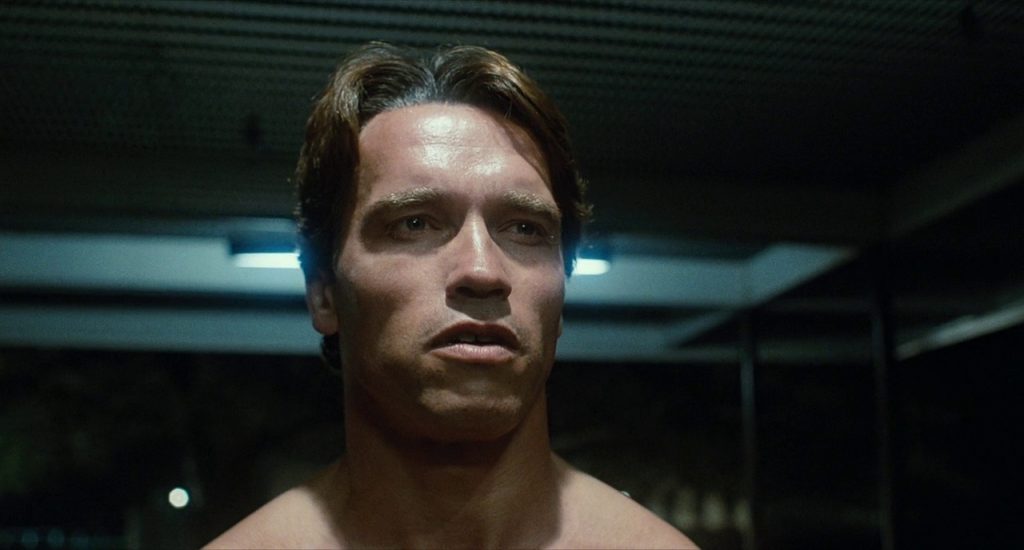
The Terminator is the villain who became a hero in the sequel and lost none of what made him terrifying in the original.
That transition is one of the most remarkable character evolutions in franchise filmmaking and it works entirely because the foundation was so completely and specifically established in the first film.
6. Maximus — Gladiator (2000)
My name is Maximus Decimus Meridius. Commander of the Armies of the North. General of the Felix Legions. And I will have my vengeance in this life or the next. Russell Crowe delivered that speech and an entire cinema held its breath. Maximus is the epic hero done perfectly.
A man who had everything, lost it all, and refused to stop until justice was served regardless of the cost.
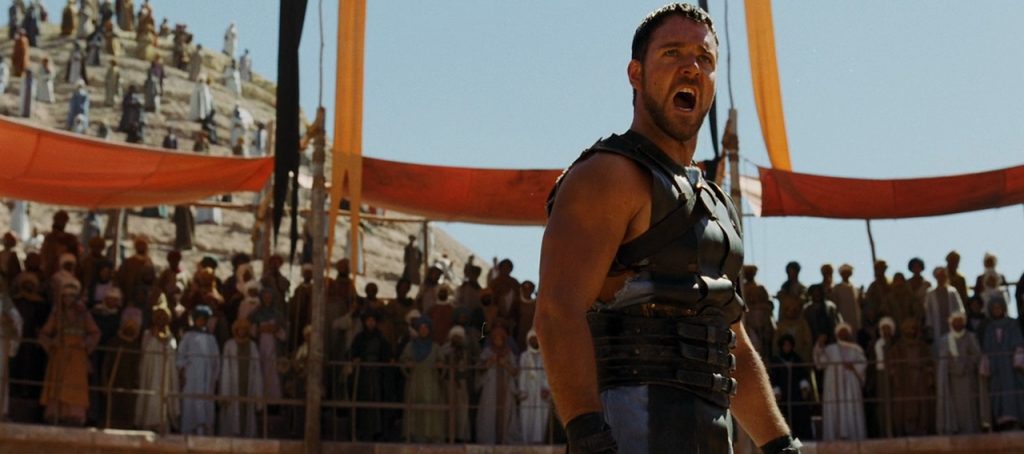
Gladiator is a film built entirely around the moral authority of its central character and Maximus carries that authority with a gravity and a quiet fury that has never been surpassed in the genre.
7. Captain Jack Sparrow — Pirates of the Caribbean (2003)
Captain Jack Sparrow is the accidental icon. A character that should not have worked, in a film based on a theme park ride that should not have worked, delivered by Johnny Depp in a performance so completely committed to its own internal logic that it produced one of the most beloved and most quoted characters of the early 2000s.
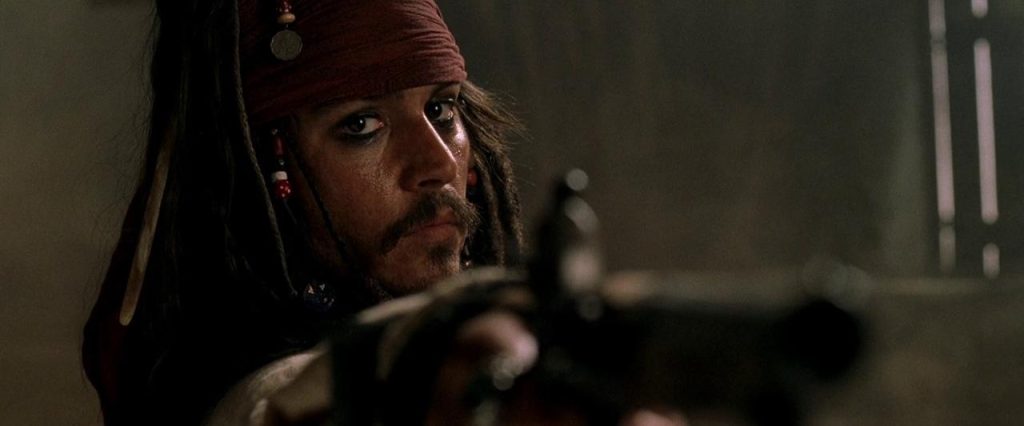
Jack Sparrow is simultaneously the most incompetent and the most capable person in every scene he inhabits and the gap between those two things is where all the comedy and all the charm lives. Why is the rum always gone.
Because Jack Sparrow exists and the world is a more entertaining place for it.
8. Buzz Lightyear — Toy Story (1995)
To infinity and beyond. Buzz Lightyear arrived in 1995 believing he was a real space ranger and became something far more interesting in the process of discovering he was not.
The arc from deluded hero to genuinely humble friend is one of the most elegantly constructed character journeys in animated movie history and Tim Allen voiced it with such perfect comic timing and such genuine warmth that Buzz became the other half of one of cinema’s greatest friendships.
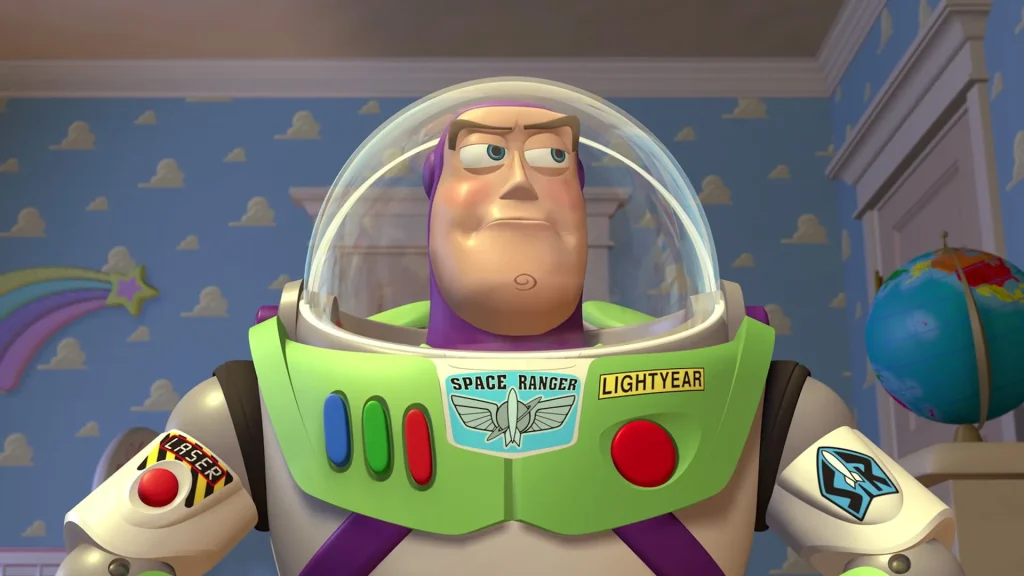
Buzz Lightyear is the character who proved that the most interesting version of a hero is the one who has to learn what heroism actually means from scratch.
9. Hermione Granger — Harry Potter (2001)
Hermione Granger is the character who saved Harry Potter from certain death approximately every forty five minutes across eight films and received a fraction of the credit for it.
Emma Watson played her with such precise, committed intelligence that Hermione became the character an entire generation of young women saw themselves in and measured themselves against.
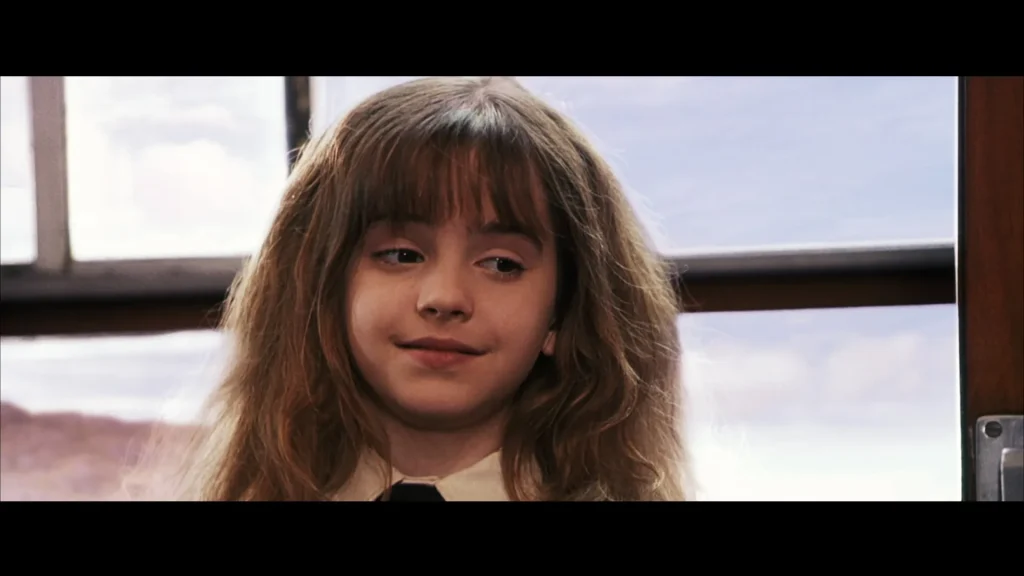
She was not there to be the love interest or the sidekick. She was there because without her nothing in the wizarding world would have functioned at all and the films were honest enough to show that consistently.
Hermione Granger is one of the most important female movie characters of her generation and it is not close.
10. Gollum — The Lord of the Rings (2001 to 2003)
Gollum is the most technically extraordinary character in the history of cinema and also one of the most emotionally devastating.
Andy Serkis built a fully realized, genuinely heartbreaking performance out of motion capture technology that had never been used this way before and produced a character so complex and so tragically human that audiences felt genuine sympathy for a creature who was simultaneously one of the story’s most dangerous antagonists.
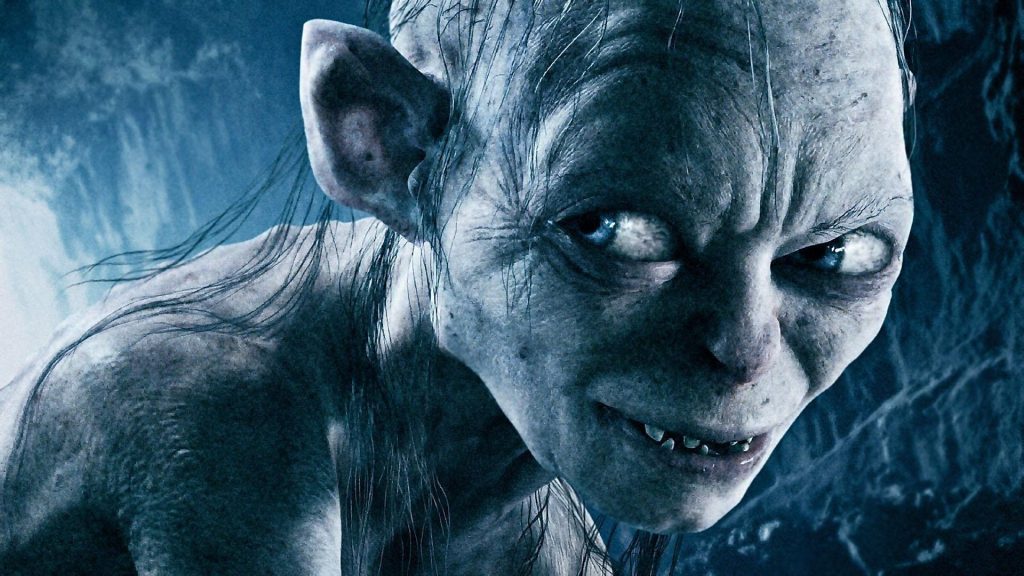
My precious. Two words that contain an entire lifetime of loss, obsession, and corruption. Gollum is the character that proved performance capture was a legitimate art form and changed filmmaking in the process.
11. Blanche DuBois — A Streetcar Named Desire (1951)
Blanche DuBois is cinema’s great tragic romantic. A woman clinging to an idea of herself that the world has already moved past, whose fragility is both completely genuine and carefully constructed, and whose final descent is one of the most devastating things any film has ever committed to screen.
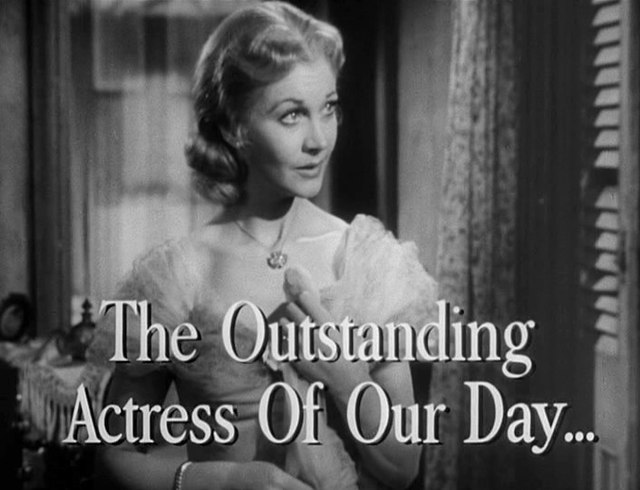
Vivien Leigh won her second Academy Award for a performance of such extraordinary emotional range that it has never been surpassed in the role.
Blanche DuBois is the character that proved cinema could handle the full complexity of a human being in collapse and find something true and unbearable and beautiful in it simultaneously.
12. Tony Montana — Scarface (1983)
Say hello to my little friend. Tony Montana is the American dream as a fever dream. Al Pacino played him with such volcanic, uncontained energy that Scarface became a cultural institution despite being a three hour film about a man making every wrong decision available to him in sequence.
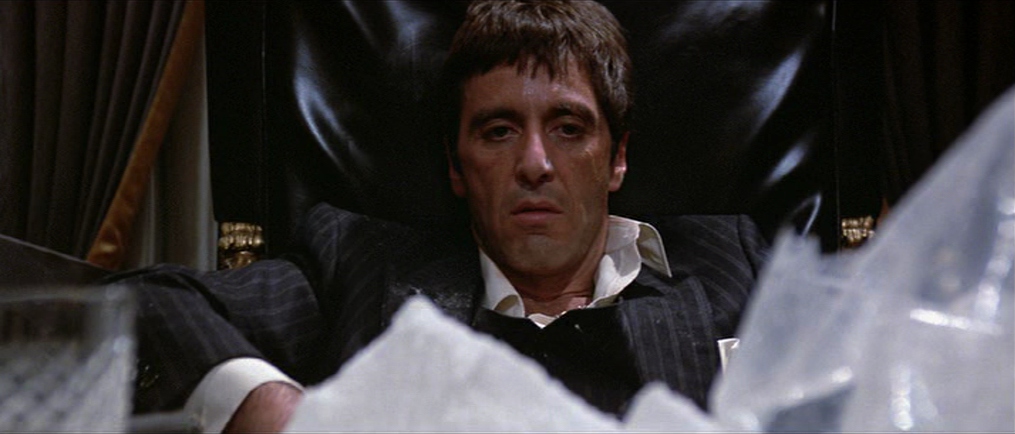
Tony Montana is the male movie character that defined an entire aesthetic, influenced an entire genre of music, and became the reference point for cinematic excess that every film about ambition and corruption has been measured against ever since.
He wanted the world and everything in it. For a while he had it. That is the whole tragedy.
13. Lisbeth Salander — The Girl with the Dragon Tattoo (2011)
Lisbeth Salander operates entirely outside the rules of conventional society and is completely compelling because of it. A woman who has been failed by every institution that was supposed to protect her and has responded by becoming someone who protects herself with an efficiency that is equal parts admirable and alarming.
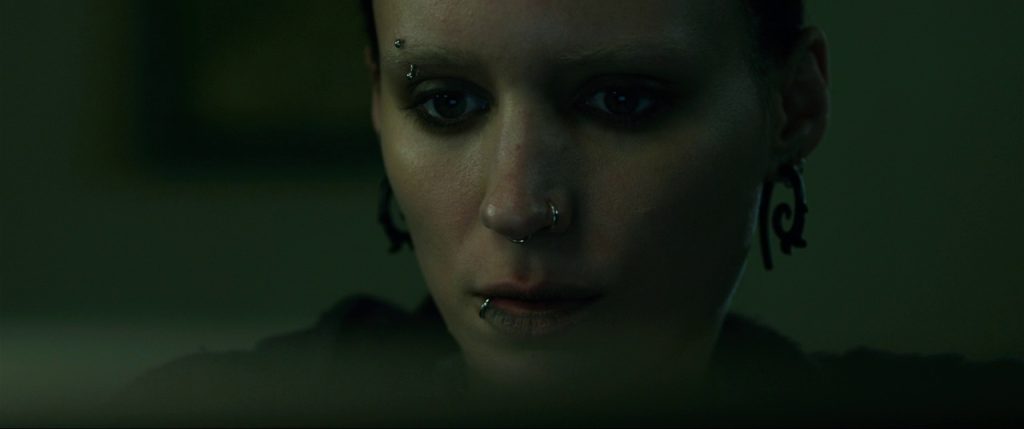
Rooney Mara played her with such precise, contained intensity that every scene she inhabits feels like it is operating under enormous pressure. Lisbeth Salander is the female movie character who redefined what a female protagonist was allowed to look like, sound like, and do on screen.
She did not ask for the world’s approval. She never needed it.
14. Princess Leia — Star Wars (1977)
Princess Leia arrived in 1977 and immediately established that she was nobody’s damsel. Carrie Fisher played her with such sharp wit and such complete authority that Leia became the template for every strong female presence in science fiction that followed. She was the one giving orders in her own rescue.
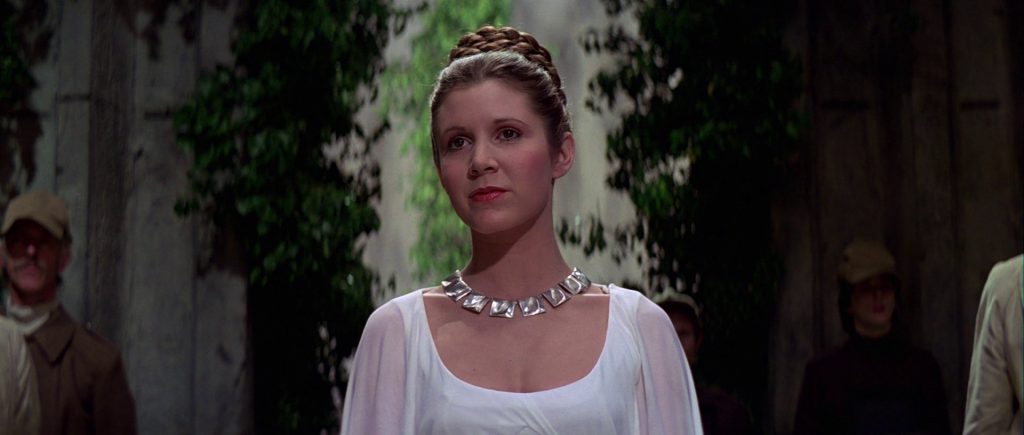
She was the one who kept the Rebellion together when everyone around her was falling apart. Princess Leia is the character that proved science fiction could give women the same narrative weight and the same moral authority as any male hero in the genre and she did it forty years before the conversation about representation in blockbuster cinema became the cultural discussion it is today.
15. Edward Scissorhands — Edward Scissorhands (1990)
Edward Scissorhands is the most tender and the most melancholy male movie characters Tim Burton ever created and that is saying something considerable. A man made almost complete but not quite, who has blades where his hands should be and a gentleness that makes that fact quietly devastating throughout.
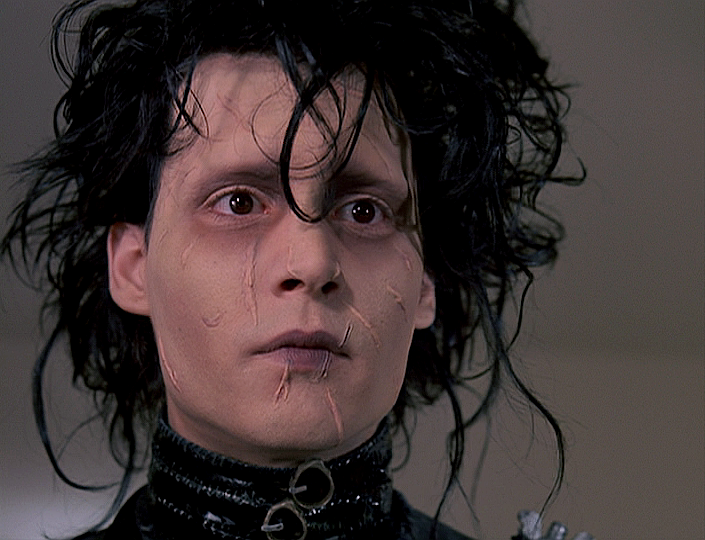
Johnny Depp played him almost entirely without dialogue and delivered one of the most purely physical and emotionally transparent performances in his career.
Edward Scissorhands is the character that asked what it means to be different in a world that tolerates difference only when it is useful and answered the question with such beauty and such sadness that the film has never stopped resonating.
16. Ofelia — Pan’s Labyrinth (2006)
Ofelia is the character who chose the story she needed to survive the world she was living in and Pan’s Labyrinth is the film honest enough to hold both realities simultaneously without resolving the tension between them. Ivana Baquero played her at eleven years old with a gravity and an emotional intelligence that most adult actors never achieve.
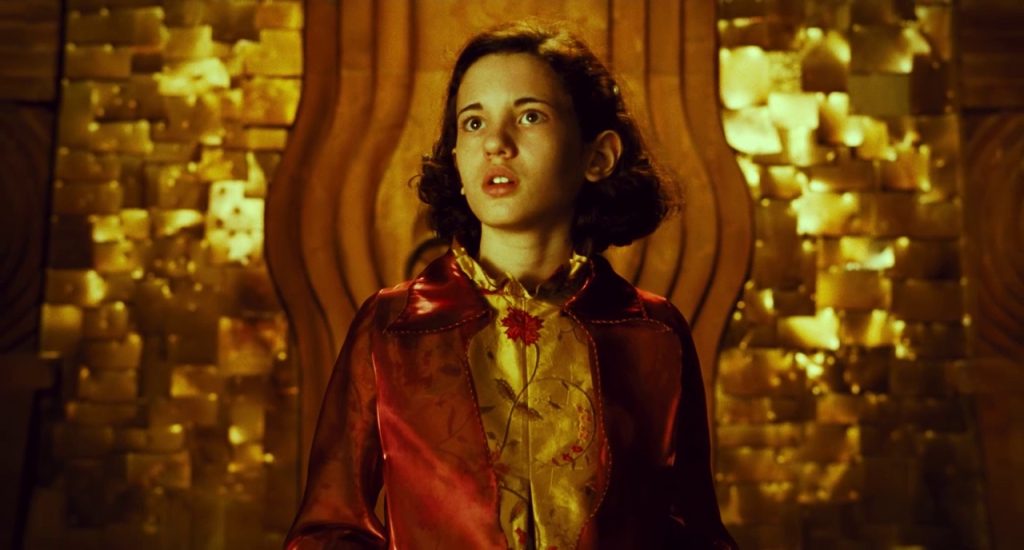
Ofelia is the female movie character that Guillermo del Toro built as a love letter to the power of imagination and the necessity of stories and she carries that weight with a grace that makes every scene she inhabits feel genuinely magical.
The labyrinth is real because she needs it to be. That is all the explanation the film requires and all the audience ever needs.
17. Willy Wonka — Charlie and the Chocolate Factory (1971)
The original. Gene Wilder built a character so perfectly calibrated between warmth and menace, between generosity and cruelty, between the magical and the deeply unsettling that Willy Wonka became one of cinema’s most genuinely original creations.
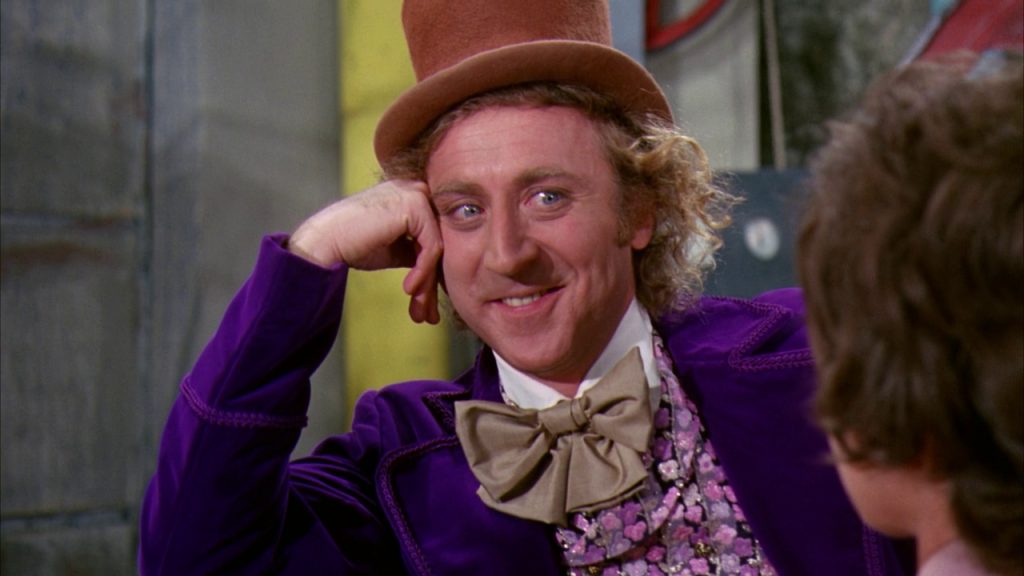
The genius of Wilder’s performance is that you are never entirely sure whether Wonka is delightful or dangerous and the film is wise enough to suggest the answer might be both simultaneously. Come with me and you’ll be in a world of pure imagination.
Fifty years later that invitation still carries everything it promised and a few things it didn’t.
18. No Face — Spirited Away (2001)
No Face is the animated movie character that says almost nothing and communicates everything. A spirit who attaches himself to Chihiro because she showed him basic kindness in a world that largely ignored him, who becomes monstrous when the wrong environment brings out the worst in him, and who finds peace when he is finally somewhere he belongs.
No Face is Miyazaki at his most quietly profound.
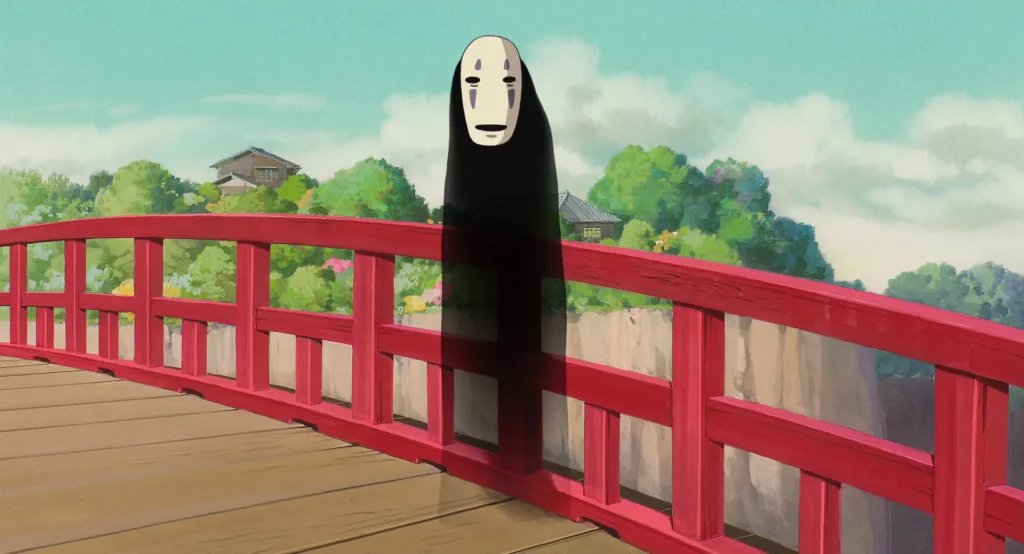
A character with no backstory, no explanation, and no resolution beyond the simple fact of finding the right place. Sometimes that is all a character needs and sometimes, in the right hands, it is more than enough.
19. John McClane — Die Hard (1988)
John McClane is the action hero who made being ordinary the most extraordinary thing a person could be. Not a superhero. Not a trained operative. A cop from New York who happened to be in the wrong building on the wrong night and refused to die out of pure stubbornness and a very specific kind of New York attitude.
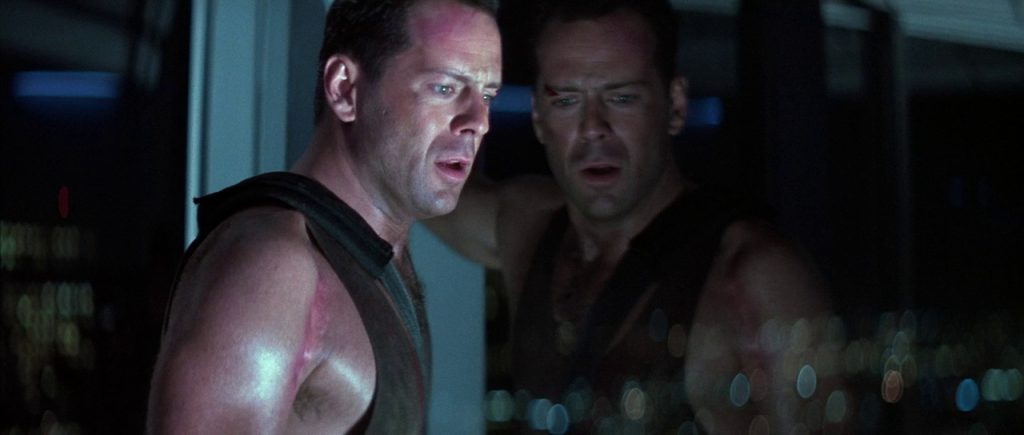
Bruce Willis played him with such genuine humor and such physical commitment that McClane became the template for every reluctant action hero that followed. Yippee ki yay.
The most famous ad lib in action cinema history and the perfect encapsulation of a character who never took himself seriously enough to stop being completely compelling.
20. Moses — The Prince of Egypt (1998)
Moses closes this list because he represents something specific and irreplaceable in cinema history. The moment DreamWorks proved that animated movie characters could carry the full weight of genuine human tragedy without flinching.
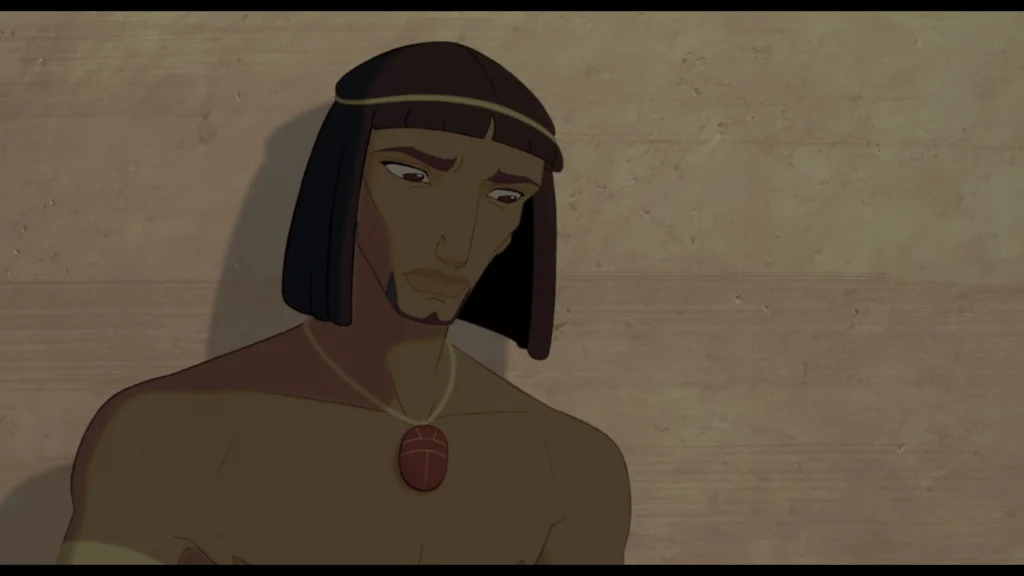
A prince who discovers he is a fraud, loses everything he thought he was, and finds something far more significant on the other side of the desert. Val Kilmer voiced him with a quiet, searching quality that makes every scene feel genuinely intimate despite the epic scale surrounding it. When the Red Sea parts it is not a spectacle.
It is the culmination of a character journey that earned every single frame of it.
The Verdict
Twenty characters. A hundred years of cinema. Every genre, every era, every corner of the imagination that filmmaking has ever explored.
What every character on this list has in common is that they stopped being characters at some point and became something else entirely. References. Shorthand. The names people reach for when ordinary language is not quite enough to describe what they are trying to say. You do not need to explain a Darth Vader reference.
You do not need to contextualize what someone means when they say a situation has very Norman Bates energy. These characters completed their journey from screen to language so thoroughly that most people who use their names have forgotten they were ever just characters in a film.
That is the only definition of iconic that matters. Not awards. Not box office. Not critical consensus. The question is simple. Is the character still being talked about? Are they still being referenced, argued about, quoted, and returned to by people who were not alive when the film was made? If the answer is yes then the character has achieved something that most films and most performances never come close to.
Every character on this list has achieved it. The conversation about which ones deserve to be here will never close. That conversation is entirely the point.
FAQs
1- Who is the greatest movie character of all time?
Darth Vader, Sherlock Holmes, and Hannibal Lecter make the strongest cases for the title. Each defined their genre, influenced every character that followed, and remains as culturally relevant today as the day they first appeared on screen. The argument about which of them sits at the very top is one worth having and one that will never be definitively settled.
2- What makes a movie character iconic?
Three things working together simultaneously. Specificity, meaning the character is so particular that they cannot be replaced by anyone else. Emotional truth, meaning they connect with something genuine in the audience regardless of how fantastical the context. And cultural penetration, meaning their name and their qualities have escaped the film entirely and entered the broader language.
All three are required. Any two without the third produces a memorable character but not an iconic one.
3- Which film has the most iconic characters?
Star Wars and The Godfather make the strongest cases. Star Wars produced Darth Vader, Princess Leia, and Han Solo in a single film. The Godfather produced Vito Corleone, Michael Corleone, and Tom Hagen.
Both films achieved a density of iconic characterization that has never quite been replicated and both remain the benchmark against which ensemble casts are measured.
4- Who is the most iconic animated movie character?
Buzz Lightyear and No Face represent two completely different approaches to animated character building and both achieve something extraordinary. For the full breakdown of the greatest animated movie characters across every studio and every era the complete guide covers all of them in detail.
5- Who is the most iconic female movie character?
Holly Golightly, Princess Leia, and Lisbeth Salander each make a strong case from very different corners of cinema. For the complete breakdown of the most iconic female movie characters in film history including every archetype and every era the full guide goes much deeper.










Related Posts

Stay Informed With the Latest & Most Important News
Previous Post
Next Post









Advertisement