Now Reading: 2D Animation versus 3D Animation: The Ultimate Comparison
-
01
2D Animation versus 3D Animation: The Ultimate Comparison

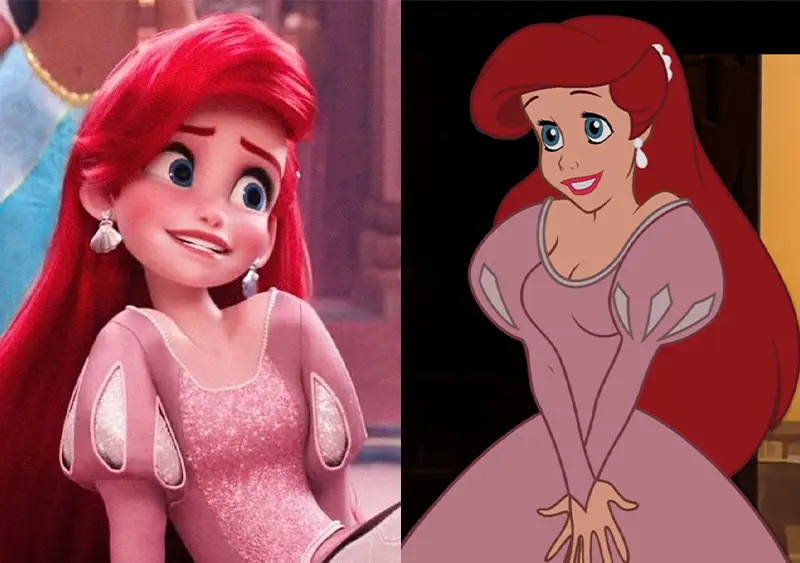
The debate between 2D animation versus 3D animation has been ongoing since the rise of digital animation. Both styles have unique strengths, workflows, and artistic possibilities, and each serves distinct storytelling purposes.
While 2D animation has a rich legacy rooted in hand-drawn artistry, 3D animation has transformed the medium with lifelike depth, cinematic effects, and immersive realism. Understanding the differences between these two approaches is crucial for animators, studios, and enthusiasts navigating the modern animation landscape.
A Brief History of 2D Animation
2D animation has a storied history that dates back over a century. Early pioneers like Winsor McCay (Gertie the Dinosaur, 1914) and Walt Disney (Snow White and the Seven Dwarfs, 1937) laid the foundation for frame-by-frame storytelling. In 2D animation, each frame is drawn individually, creating the illusion of movement when played in sequence.
Traditional 2D animation involved painstakingly drawing on paper, inking, and painting frames on celluloid sheets. With the rise of digital tools, programs like Toon Boom Harmony, Clip Studio Paint, and Moho Animation allowed animators to digitize this process, simplifying workflows and enabling greater flexibility. Today, 2D animation continues to thrive in anime, TV series, web shorts, and stylized films, offering a timeless appeal with its expressive characters, hand-crafted look, and artistic freedom.
The Evolution of 3D Animation
By contrast, 3D animation emerged in the late 20th century, fueled by advancements in computer graphics and computing power.
Early experiments in wireframe modeling and computer-generated imagery paved the way for films like Toy Story (1995), the first fully 3D animated feature. 3D animation creates characters and environments in a three-dimensional space, allowing for realistic depth, lighting, and camera movement.
Modern 3D animation uses powerful software such as Blender, Maya, 3ds Max, and Cinema 4D to create complex models, rig characters, and simulate physics. Motion capture technology and procedural animation techniques further enhance realism.
Today, 3D animation dominates feature films, high-end video games, VR experiences, and commercial advertising, offering immersive storytelling that was previously impossible with traditional 2D techniques.
Visual Style and Aesthetic
When considering 2D animation versus 3D animation, one of the most obvious differences lies in visual style.
2D animation emphasizes stylized, flat imagery. Its charm comes from hand-drawn lines, exaggerated expressions, and creative visual interpretation. Artists have complete control over how characters and backgrounds are represented, making it ideal for whimsical worlds, expressive storytelling, and highly stylized aesthetics. Anime, cartoons, and indie animations frequently utilize 2D techniques to convey unique artistic identities.
3D animation, on the other hand, emphasizes depth, realism, and spatial consistency. Characters appear volumetric, environments can be fully explored in three dimensions, and lighting and textures add lifelike authenticity. 3D excels in creating immersive cinematic experiences, realistic simulations, and complex action sequences that are challenging to achieve in 2D.
In the debate of 2D animation versus 3D animation, the choice of visual style often determines the tone, emotional impact, and audience engagement. While 2D can feel timeless and expressive, 3D offers spectacle, realism, and cinematic immersion.
Workflow and Production Pipeline
The production pipelines for 2D and 3D animation also differ significantly.
2D animation typically begins with concept art and storyboarding. Animators create character designs, backgrounds, and frame-by-frame sequences.
Modern 2D pipelines may use vector-based rigs, such as in Moho Animation, to simplify repetitive motions. Each frame is refined for timing, motion, and expression before compositing and post-production. This process can be labor-intensive, requiring meticulous attention to detail.
3D animation follows a more structured pipeline that begins with modeling, rigging, and texturing, followed by animation, lighting, rendering, and compositing. The use of rigs, skeletons, and physics simulations allows animators to reuse assets and maintain consistency. While rendering 3D scenes can be computationally intensive, the ability to manipulate camera angles, lighting, and motion in a virtual space provides efficiency and flexibility, particularly for large-scale productions.
Comparing 2D animation versus 3D animation in workflow terms highlights that 2D offers more hands-on artistic control per frame, whereas 3D enables asset reuse, simulation, and dynamic camera work. Both pipelines have advantages depending on the project’s scope, style, and budget.
Tools and Software
The software used for 2D and 3D animation reflects their unique needs and technical demands.
For 2D animation, popular tools include Toon Boom Harmony, Moho Animation, and Clip Studio Paint. These programs support frame-by-frame drawing, rig-based motion, and digital painting, allowing artists to create fluid, expressive animations efficiently. TVPaint remains a favorite for traditional, cinematic-quality hand-drawn animation.
For 3D animation, software like Blender, Maya, 3ds Max, and Cinema 4D dominates. These platforms support modeling, rigging, animation, simulations, and rendering, making them ideal for complex, realistic projects. Hybrid tools, such as Moho Animation or Blender’s Grease Pencil, allow for combining 2D aesthetics with 3D workflows, blurring the line between the two techniques.
Understanding 2D animation versus 3D animation in terms of software helps studios and creators select tools that align with artistic vision, team size, and technical expertise.
Cost and Time Considerations
2D animation is generally more labor-intensive on a per-frame basis, but it can be less demanding on computing resources. Indie creators and small studios often favor 2D animation for its lower hardware requirements and flexibility in stylistic experimentation. Using rigs and templates can reduce production time, but frame-by-frame artistry remains time-consuming.
3D animation, by contrast, often requires more computational power, particularly during rendering. Creating detailed models, textures, and simulations can be time-intensive upfront, but once assets are created, they can be reused, modified, and animated efficiently. For large-scale productions like feature films or AAA games, 3D animation offers scalability and the ability to produce complex sequences that would be extremely difficult in 2D.
In terms of 2D animation versus 3D animation, 2D may be more cost-effective for small projects or stylized content, while 3D excels in large-scale, high-detail productions with long-term asset use.
Storytelling and Audience Engagement
Storytelling potential is another key consideration in the debate of 2D animation versus 3D animation.
2D animation allows for highly stylized narratives, exaggerated emotions, and abstract worlds. It can evoke nostalgia and a sense of artistry, connecting with audiences through visual charm and expressive character work. Series like The Legend of Zelda: Breath of the Wild cutscenes (anime-style) or films like The Tale of Princess Kaguya highlight how 2D can convey emotion and nuance with subtle artistry.
3D animation enables immersive worlds, realistic interactions, and dynamic camera work. Films like Frozen, Zootopia, and Spider-Man: Into the Spider-Verse show how 3D allows complex story arcs, visual spectacle, and lifelike characters that feel tangible to audiences. The depth and realism of 3D often create a sense of immersion unmatched by traditional 2D methods.
Ultimately, 2D animation versus 3D animation in storytelling depends on the desired audience experience: 2D excels in artistic expression and stylization, while 3D provides realism, immersion, and cinematic impact.
Hybrid Approaches: Combining 2D and 3D
Modern animation often blurs the line between 2D and 3D, using hybrid techniques to leverage the strengths of both. Films like Spider-Man: Into the Spider-Verse incorporate 2D textures, line work, and on-screen effects within 3D models, creating a unique visual style that appeals to contemporary audiences.
Similarly, software like Blender’s Grease Pencil and Moho Animation allows for integrating 2D layers into 3D environments, providing creative flexibility and stylistic innovation. These hybrid approaches showcase how 2D 2D animation versus 3D animation is no longer about choosing a single medium but about blending methods to achieve a distinctive look.
Conclusion:
The debate of 2D animation versus 3D animation does not have a one-size-fits-all answer. Each technique offers unique artistic possibilities, workflows, and storytelling advantages. 2D animation excels in expressiveness, stylistic freedom, and emotional storytelling, while 3D animation delivers realism, immersive worlds, and scalable production pipelines. Understanding animation versus in terms of style, workflow, software, cost, and audience impact helps animators, studios, and content creators make informed decisions. Many modern productions embrace hybrid approaches, combining the best of both worlds to push the boundaries of visual storytelling.
Whether you are an aspiring animator, a studio professional, or an animation enthusiast, knowing the strengths and limitations of 2D and 3D animation is essential to creating compelling, memorable, and visually stunning content.
FAQ
Q1: What is the difference between 2D and 3D animation?
2D animation uses flat, hand-drawn or vector images, while 3D animation creates lifelike, volumetric characters and environments in a virtual space.
Q2: Which software is best for 2D animation?
Popular options include Toon Boom Harmony, Moho Animation, Clip Studio Paint, and TVPaint.
Q3: Which software is best for 3D animation?
Blender, Maya, 3ds Max, and Cinema 4D are widely used for professional 3D animation projects.
Q4: Can 2D and 3D animation be combined?
Yes. Hybrid approaches integrate 2D textures or effects into 3D models for unique visual styles, as seen in Spider-Man: Into the Spider-Verse.Q5: How do I choose between 2D and 3D animation?
Consider your artistic vision, storytelling style, budget, production scale, and audience. 2D suits expressive, stylized projects, while 3D excels in immersive, realistic, or large-scale productions










Related Posts



Stay Informed With the Latest & Most Important News
Previous Post
Next Post











Advertisement