
Now Reading: Your Guide to 3D Animation: History, Software, Pipeline, and Iconic Examples
-
01
Your Guide to 3D Animation: History, Software, Pipeline, and Iconic Examples

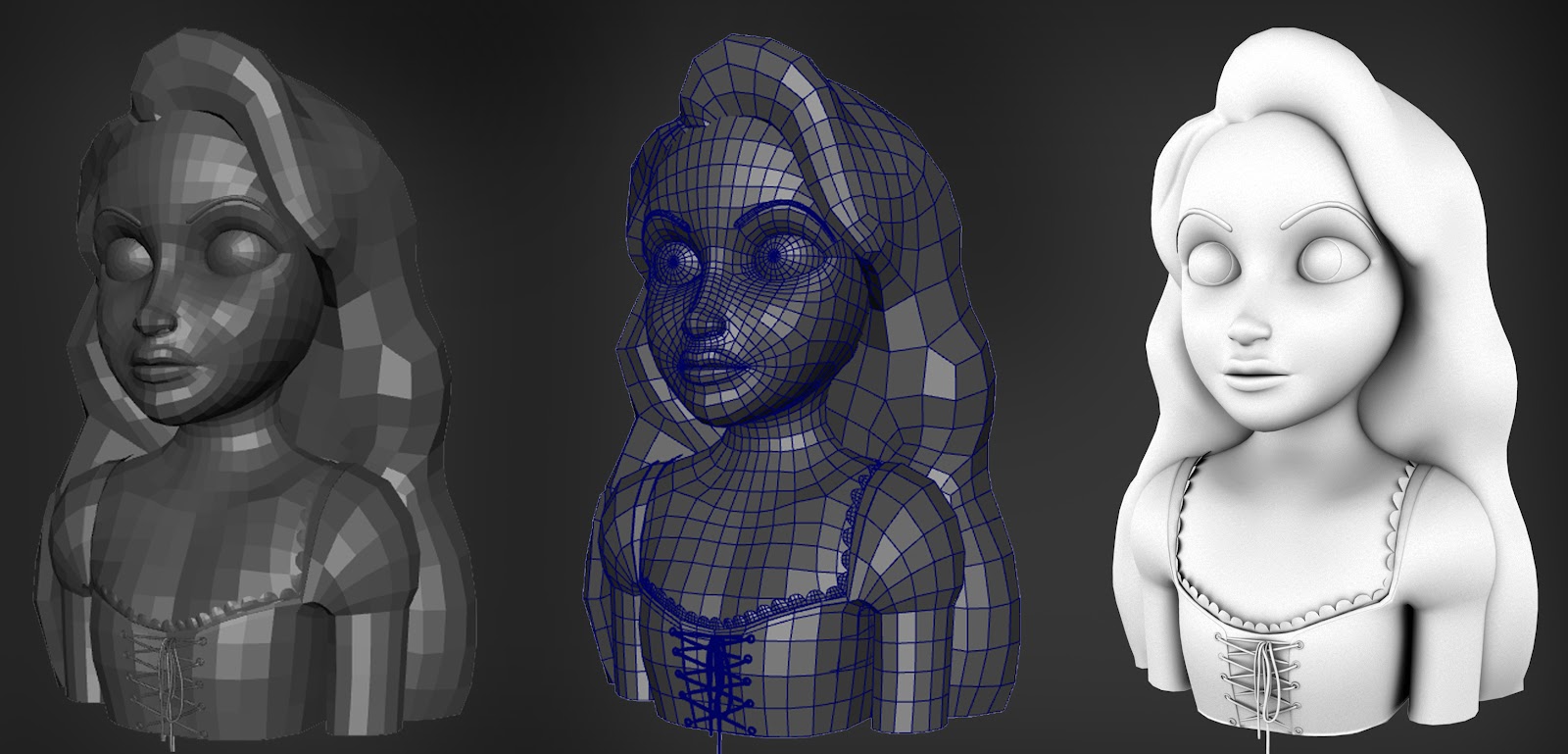
3D animation has revolutionized the way we tell stories, turning imagination into immersive, lifelike experiences. From the earliest experiments in computer graphics to today’s blockbuster films and digital effects, 3D animation has become a cornerstone of both entertainment and interactive media.
This guide explores the history of 3D animation, essential software tools, the animation production pipeline, and some iconic examples that showcase its potential.
The History of 3D Animation
The roots of 3D animation trace back to the 1960s and 1970s, when pioneering computer scientists experimented with basic wireframe models and early motion graphics. One of the earliest notable achievements was the 1963 film Hummingbird, created using computer-generated imagery (CGI) to render simple geometric shapes.
In the 1980s, studios began incorporating 3D techniques into films, commercials, and music videos. Landmark projects included Tron (1982), which combined live-action footage with groundbreaking CGI, and The Last Starfighter (1984), one of the first films to use 3D computer graphics extensively for space battles. These experiments laid the groundwork for future breakthroughs in realism and storytelling.
The 1990s marked a pivotal era with Pixar’s Toy Story (1995), the first fully computer-animated feature film. This milestone demonstrated the creative and commercial potential of 3D animation, inspiring a wave of innovation and leading to the rise of studios specializing in CGI films. Since then, 3D animation has evolved rapidly, driven by advances in software, rendering techniques, and computing power.
Essential Software for 3D Animation
A variety of software tools support 3D animation production, each with unique features for modeling, texturing, rigging, animation, and rendering.
Blender is an open-source powerhouse, widely used for both professional and hobbyist projects. It offers comprehensive tools for modeling, sculpting, rigging, animation, simulation, and rendering. Its real-time viewport, Cycles renderer, and frequent updates make it suitable for films, video games, and virtual reality experiences.
Maya by Autodesk is a professional-grade software favored by major studios. It provides advanced modeling, rigging, animation, and rendering tools, as well as a robust plugin ecosystem. Maya’s flexibility makes it ideal for high-end feature films, complex visual effects, and collaborative studio pipelines.
3ds Max is another Autodesk offering, often used for architectural visualization, games, and cinematic effects. Its strong modeling tools and efficient workflow make it a reliable choice for production teams.
Cinema 4D is popular in motion graphics and advertising due to its intuitive interface and seamless integration with Adobe After Effects. It combines professional 3D capabilities with ease of use, making it attractive for both beginners and experienced animators.
Other notable tools include Houdini, ZBrush, and Moho Animation. While Moho is primarily known for 2D rig-based animation, its vector tools and hybrid workflows can integrate with 3D assets for unique visual storytelling. Choosing the right software depends on project requirements, budget, team expertise, and desired visual style.
The 3D Animation Pipeline
3D animation production is a structured, multi-step process, often referred to as the animation pipeline. Each stage is critical to creating polished, realistic animations.
1. Concept and Storyboarding
The process begins with ideation and storyboarding. Concept artists and directors outline characters, environments, and key scenes to establish the visual and narrative direction. Storyboards serve as a blueprint for timing, camera angles, and character motion.
2. Modeling
3D artists create digital models of characters, props, and environments. Modeling involves defining shapes, structures, and surfaces. High-resolution models may later be optimized for animation to ensure smooth performance without compromising visual fidelity.
3. Texturing and Shading
Texturing adds color, patterns, and surface details to models, while shading defines how objects interact with light. Techniques like UV mapping, procedural textures, and PBR (physically based rendering) help achieve realistic materials such as skin, cloth, metal, or glass.
4. Rigging
Rigging is the process of creating a skeleton or control system for characters. Bones, joints, and controllers allow animators to manipulate movement, facial expressions, and poses. A well-designed rig enables natural motion and versatility during animation.
5. Animation
This stage brings characters and scenes to life. Animators use keyframes, motion capture data, or procedural animation techniques to craft motion. Timing, weight, and expression are carefully refined to ensure believable or stylistically consistent movement.
6. Lighting
Lighting defines mood, depth, and realism in a scene. Animators and lighting artists place virtual lights to replicate natural or stylized lighting, adjusting intensity, color, and shadows for dramatic or atmospheric effect.
7. Rendering
Rendering converts the 3D scene into final images or sequences. It involves calculating lighting, textures, and effects, often requiring substantial computing power. Render farms or cloud-based solutions are used for high-resolution or complex scenes.
8. Compositing and Post-Production
Finally, rendered frames are composited with effects, color grading, and additional elements. Post-production integrates sound, music, and visual effects, ensuring the final animation matches the creative vision.
Iconic Examples of 3D Animation
3D animation has produced countless influential films and series, each showcasing technical mastery and creative storytelling. Pixar’s Toy Story (1995) remains a landmark, demonstrating that full-length CGI could carry both narrative and emotional depth. Shrek (2001) from DreamWorks combined humor, fantasy, and innovative animation techniques, appealing to audiences of all ages.
Other standout films include Frozen (2013), which used advanced simulations for realistic snow and fabric movement, and Zootopia (2016), which integrated complex character rigs with expansive, detail-rich cityscapes. More recent productions, like Spider-Man: Into the Spider-Verse (2018), push the boundaries by blending 3D animation with 2D-inspired textures, stylized motion lines, and graphic effects, creating a unique hybrid visual style.
Beyond film, 3D animation is central to video games, VR experiences, and interactive storytelling. Games such as The Last of Us and cinematic cutscenes in Final Fantasy titles utilize 3D animation to craft immersive, lifelike worlds and compelling narratives.
3D Animation in the Modern Era
Today, 3D animation is more accessible than ever. Open-source software like Blender allows independent creators to produce professional-quality work without massive budgets, while studios continue to innovate with motion capture, AI-assisted animation, and real-time rendering technologies. Hybrid workflows combining 2D and 3D elements, such as hand-drawn textures on 3D models or cel-shaded effects, demonstrate the creative flexibility of the medium.
3D animation is no longer limited to entertainment. It plays a vital role in architectural visualization, scientific simulations, medical training, advertising, and virtual experiences. Its ability to blend realism with imagination ensures that it will remain a key storytelling medium for years to come.
Conclusion
3D animation has come a long way from its early wireframe experiments to today’s visually stunning, emotionally resonant productions. By understanding its history, software tools, pipeline, and applications, animators can better navigate this complex and rewarding medium. Iconic films like Toy Story, Shrek, and Spider-Man: Into the Spider-Verse showcase the potential of 3D animation to entertain, inspire, and push artistic boundaries.
As technology continues to evolve, so too will the ways creators bring digital worlds and characters to life, making 3D animation a continuously exciting frontier for storytelling.
FAQ
Q1: What is 3D animation?
3D animation is the process of creating three-dimensional digital models and moving them in a virtual environment, producing lifelike or stylized motion.
Q2: What software is used for 3D animation?
Popular software includes Blender, Maya, 3ds Max, Cinema 4D, Houdini, and hybrid tools like Moho Animation for 2D-3D integration.
Q3: What is the 3D animation pipeline?
The pipeline includes concept/storyboarding, modeling, texturing, rigging, animation, lighting, rendering, and compositing/post-production.
Q4: Which movies are iconic in 3D animation?
Toy Story, Shrek, Frozen, Zootopia, and Spider-Man: Into the Spider-Verse are landmark examples.
Q5: How is 3D animation used outside of film?
It is used in video games, VR, architectural visualization, medical simulations, advertising, and interactive storytelling.










Related Posts



Stay Informed With the Latest & Most Important News
Previous Post
Next Post










Advertisement