Now Reading: The Comic Book Industry: All About Global Comics
-
01
The Comic Book Industry: All About Global Comics

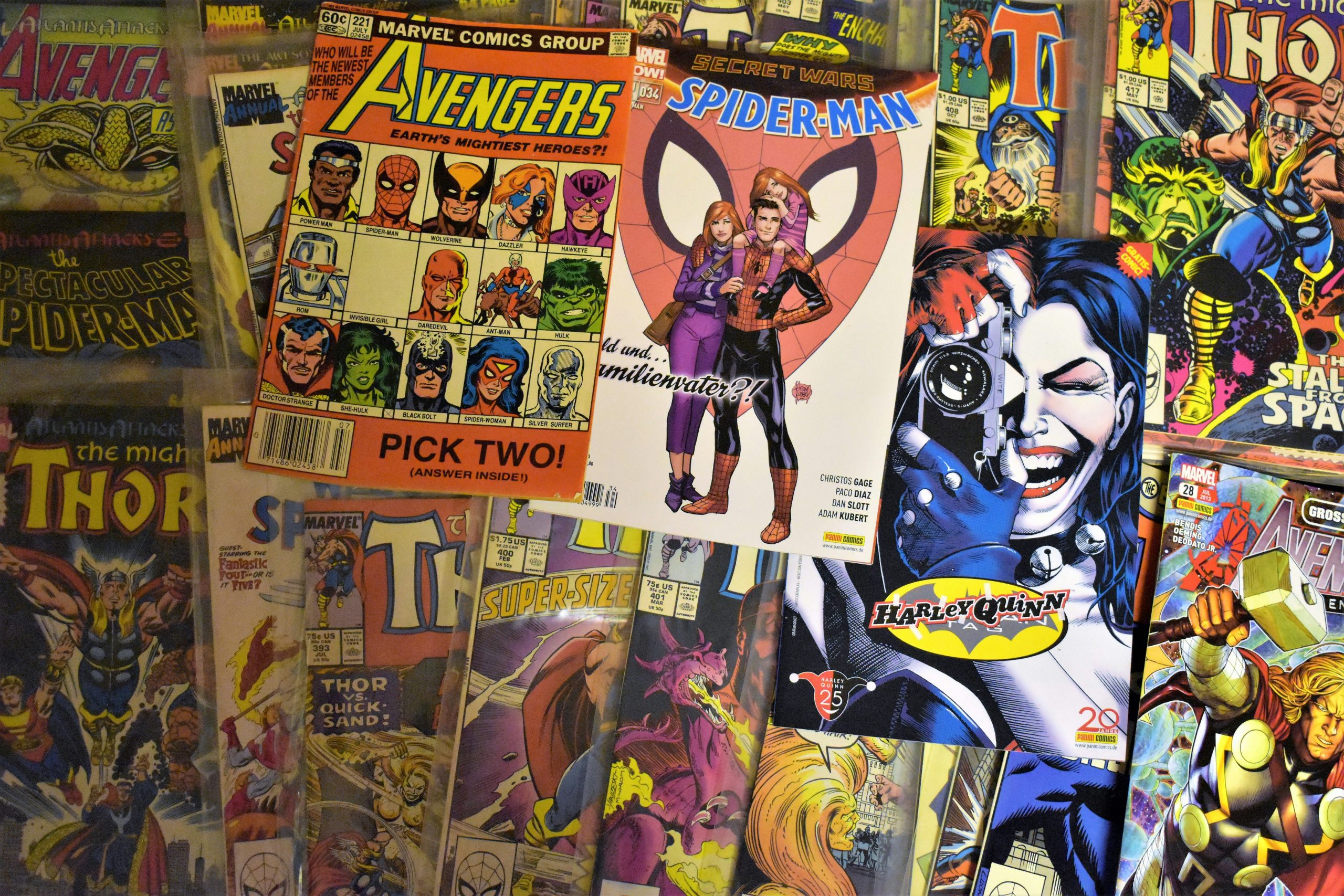
If you have ever wandered into a comic shop and felt that warm buzz of excitement from stacks of colorful covers, you already understand why comics are more than entertainment. They are a culture, a language, and a shared obsession that unites fans across continents. Today the world of global comics is bigger, louder, more diverse, and more interconnected than ever.
Whether you grew up on superhero punch ups, binge reading manga volumes, scrolling through webtoons at two in the morning, or admiring European artistic masterpieces, the modern comic universe has something for every fan. This article takes you across the entire multiverse of global comics to show how the industry became the powerhouse we know today.
What Are Global Comics
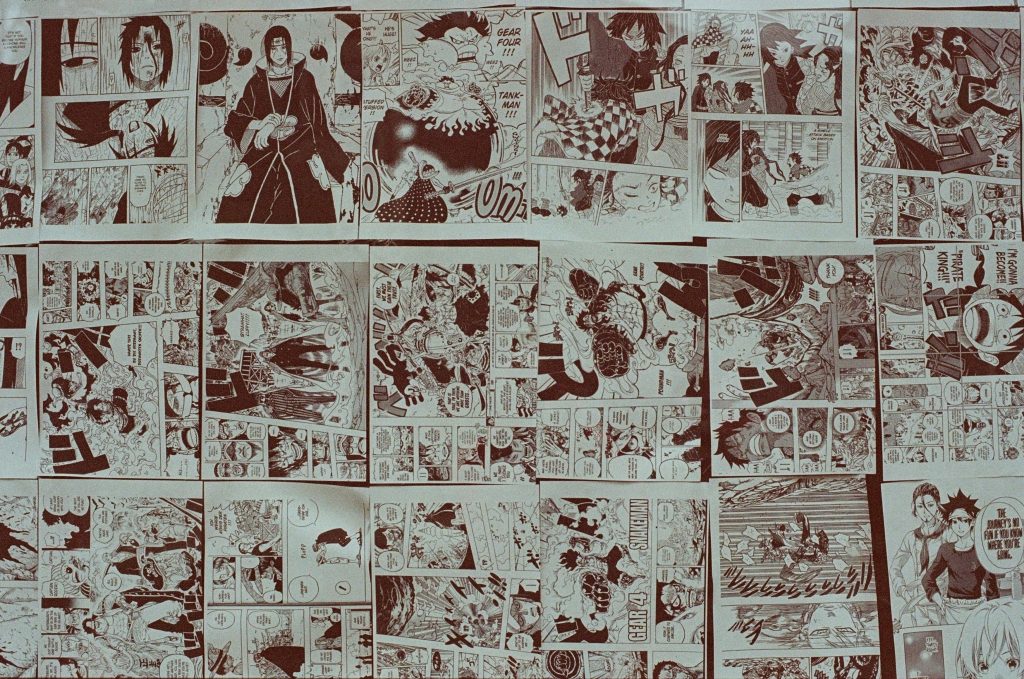
Global comics represents the entire ecosystem of comic storytelling across the world. It includes Japanese manga, Korean manhwa and webtoons, American superhero books, European bandes dessinees, and graphic novels from every corner of the globe. Unlike the old days when fans mostly stuck to local creators, the modern era has turned comics into an international cultural exchange.
Today you can read a French sci fi comic in English on your tablet, follow a Korean romance webtoon on your phone, and watch a live action adaptation of a Japanese manga all in the same afternoon. Global comics simply means the worldwide comic book culture in its massive interconnected form.
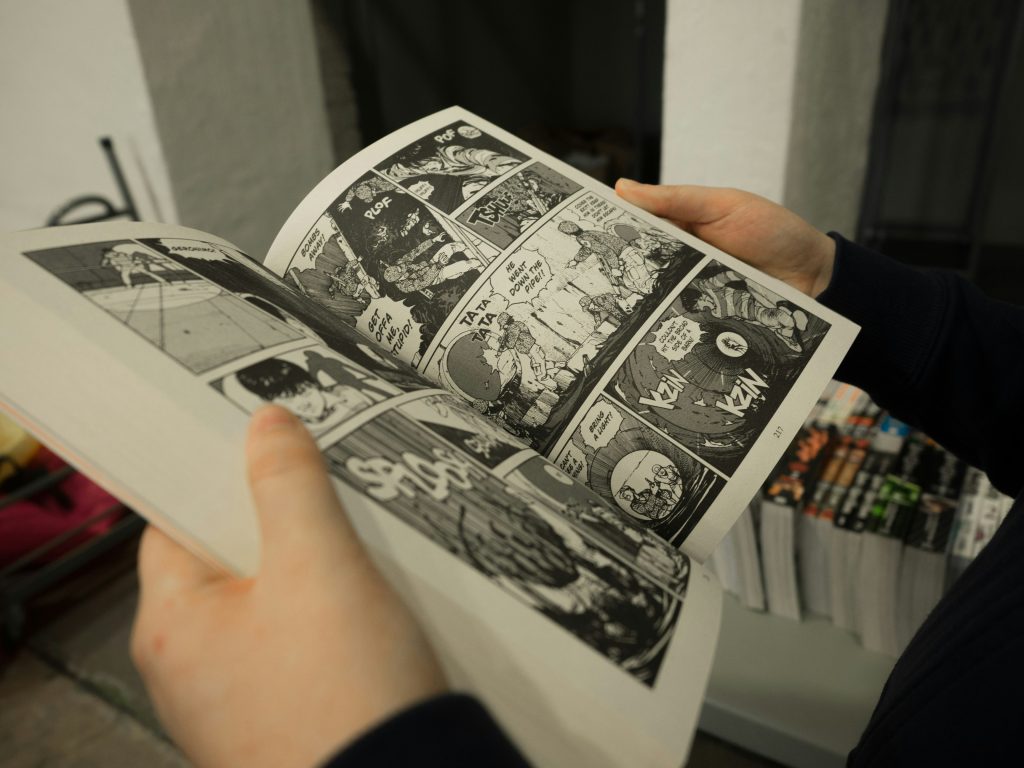
One of the coolest things about global comics is that the medium has evolved into many different formats. Manga comes in black and white and reads from right to left. European comics usually feature huge pages with painted art. American comics drop monthly issues followed by collected editions. Webtoons scroll vertically on screens for a smooth reading flow. Every region has its own flavor but they all share the same heart, which is visual storytelling that taps straight into imagination.
A Brief History of Global Comics
Comics have ancient roots. From Egyptian murals to Japanese ukiyo e prints, humans have always loved mixing images with narrative. The modern form exploded during the twentieth century but not in one place. It grew in waves across the world.
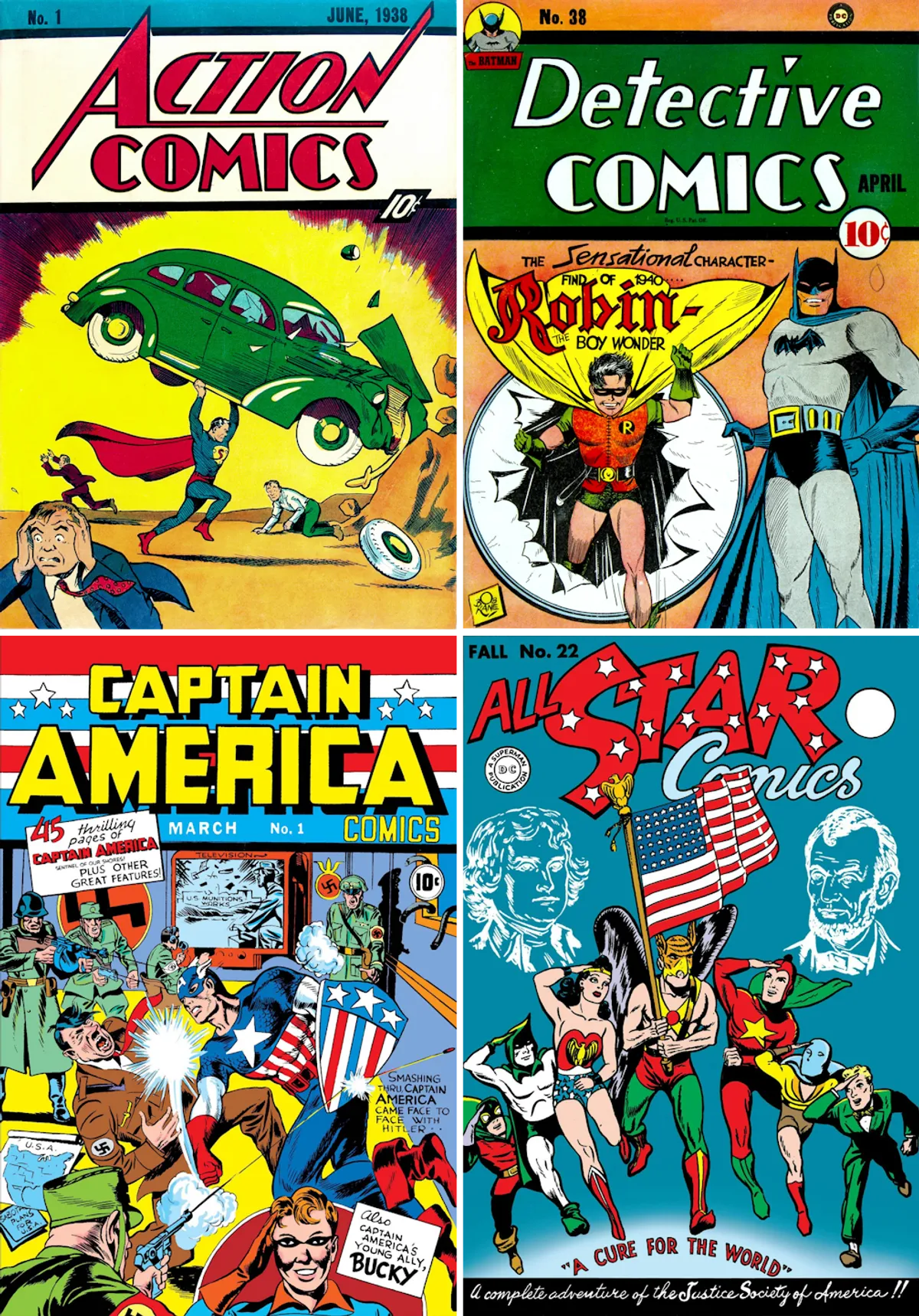
The United States set the tone early with the arrival of superheroes. Superman in 1938 and Batman in 1939 kicked off a new heroic age. While America was inventing capes and crime fighters, Europe was crafting a very different style. Belgian and French artists built a tradition of elegant and meticulous bande dessinee storytelling. Japan was developing manga influenced by both American cartoons and homegrown art. After World War Two the manga industry exploded with creators like Osamu Tezuka shaping everything from action to drama to sci fi. By the time the internet arrived, fans everywhere were ready for a global collision of styles and ideas. Today that collision is constant and beautiful.
Regional Comic Traditions and Their Influence
Japanese Manga
For many fans manga is the gateway drug into global comics. It carries a massive cultural footprint and its fans are loyal and passionate. Manga ranges from fantasy epics to slice of life romance to horror that keeps you awake at night. What makes manga so influential is the intense storytelling pace and emotional depth. The characters feel real, the drama hits hard, and the art plays with motion and emotion in ways few mediums can match. Because manga covers every genre imaginable, it has become a global cultural pillar.
South Korean Manhwa and Webtoons
Manhwa has been around for decades but the digital era unlocked its true potential. Webtoons changed everything. Instead of reading page by page you scroll down in a continuous vertical flow. The experience feels smooth and cinematic, almost like watching animated storyboards. Platforms such as Webtoon and Tapas brought Korean creators to global audiences. Romance, fantasy, sci fi, and action webtoons are now part of mainstream pop culture. Many webtoons even receive live action dramas that attract millions of viewers. Manhwa is one of the fastest growing segments of the global comics industry.
American Comics
American comics have dominated the superhero scene for almost a century. Characters like Spider Man, Wonder Woman, the X Men, and the Justice League have become global icons. What makes the American comic industry unique is its monthly release model and shared universes. Fans jump between titles to follow connected story arcs that span multiple books. Although superheroes remain the core, American creators also produce incredible horror, indie, and experimental works. The rise of graphic novels has added more mature and literary titles to the mix. American comics continue to evolve and remain a central force in global pop culture thanks to films, streaming shows, and gaming.
European Bandes Dessinees
European comics, especially from France and Belgium, are known for their breathtaking art and high production quality. These books often feel like illustrated literature. Titles such as Tintin, Asterix, Valerian, and The Incal showcase the European love for detail, world building, and thoughtful storytelling. Many European comics are massive hardcovers that collectors adore. The tone ranges from whimsical adventures to philosophical sci fi epics. Bandes dessinees may not dominate global pop culture like manga, but their artistic influence is enormous.
Other Global Markets
The international comic scene extends far beyond Japan, Korea, Europe, and America. India has a huge market for mythological and superhero inspired comics. China has a rapidly growing manhua industry with gorgeous digital art. Latin America produces bold and political graphic novels. The Middle East crafts heartfelt comics that explore identity and culture. Every region adds its unique voice to the global collection.
The Modern Comic Book Ecosystem
Print and Digital
Print is still alive. Fans love holding physical books, smelling ink on pages, and lining their shelves with collections. However digital comics have opened the doors to global readership. Apps make it easy to discover creators across the world, follow weekly releases, and support artists directly. The digital shift also helps small creators find audiences without expensive printing costs. The modern ecosystem is a balance of both formats, each supporting the other.
Major Publishers and Global Licensing
The comic world runs on a complex web of publishers, licensors, and distributors. Japan has Shueisha, Kodansha, and Shogakukan. America has Marvel, DC, and a strong indie scene led by Image Comics, Dark Horse, and IDW. Europe has hundreds of boutique publishers. Korea has webtoon giants like Naver and Kakao. Licensing brings these stories across borders. That is why you can buy a translated manga in your local shop or stream an anime based on a comic you discovered years ago. Licensing is the bridge that turns local hits into global icons.
The Power of Adaptations
Adaptations are the rocket boosters of the industry. Anime, cartoons, films, video games, and streaming shows amplify the popularity of their source material. When a manga gets an anime, sales explode. When an American comic becomes a blockbuster movie, the entire franchise gains new fans. Webtoons that receive K drama adaptations instantly climb international charts. The modern fanbase often discovers comics through other mediums and then dives deeper into the original stories.
Economic Impact of Global Comics
The global comic industry generates billions of dollars. This money does not only come from books. It comes from merchandise, films, conventions, games, toys, and licensing deals. Manga dominates global sales and continues to grow each year. American superhero movies bring massive revenue through merchandise lines, cinematic universes, and theme park attractions. Europe maintains a strong collector market. Korea dominates digital distribution. The economic landscape is diverse and continues to expand as new regions enter the scene.
The Global Fan Community
Comic fans are some of the most dedicated people on Earth. They form online communities, create fan art, write theories, debate power levels, and attend conventions in costume. Cosplay is now a worldwide art form and fan events attract millions. Fans help shape the direction of the industry. Social media boosts new titles, spreads hype, and creates viral sensations. The fandom does not just consume comics. It fuels them.
Challenges Facing the Global Comics Industry
Even with all its success, the industry faces real challenges. Digital piracy affects creators and publishers around the world. Translation quality and cultural differences sometimes create barriers for new readers. Market saturation makes it harder for new titles to stand out. Creators often face intense workloads, especially in Japan and Korea. The industry is huge and still growing but it must overcome these issues to maintain its momentum.
The Future of Global Comics
The future looks bright. Creator owned platforms are rising. Independent artists are gaining global followings through digital uploads. AI assisted tools are making production easier while still keeping creators in control. Webcomics are becoming mainstream and new markets in Africa and Southeast Asia are bursting with potential. Fans around the world are hungry for more stories, more worlds, and more characters to fall in love with. Global comics are expanding into a true worldwide storytelling powerhouse.
Conclusion
From superhero legends to manga epics to European masterpieces, global comics have become a universal language. They cross borders, inspire fandoms, and bring people together. Whether you are a collector, a binge reader, or a digital webtoon addict, the global comic industry offers endless universes to explore. This is the golden age of worldwide comic culture and it is only getting bigger.
FAQ
What makes a comic global
A global comic is any comic that reaches readers beyond its home country, either through translation, digital platforms, or international cultural influence.
Which country produces the most comics
Japan produces the most comics by volume, especially through its massive manga industry.
Are digital comics replacing print
Digital comics are growing fast but print remains strong among collectors and long time fans.
How do manga and manhwa differ
Manga comes from Japan and usually reads right to left. Manhwa comes from Korea and is often published as vertical scrolling webtoons.
How big is the global comics industry
The global comic market is worth billions and continues to grow through books, adaptations, merchandise, and digital platforms.










Related Posts

Stay Informed With the Latest & Most Important News
Previous Post
Next Post






Advertisement