
Now Reading: The Golden Age of Comics
-
01
The Golden Age of Comics

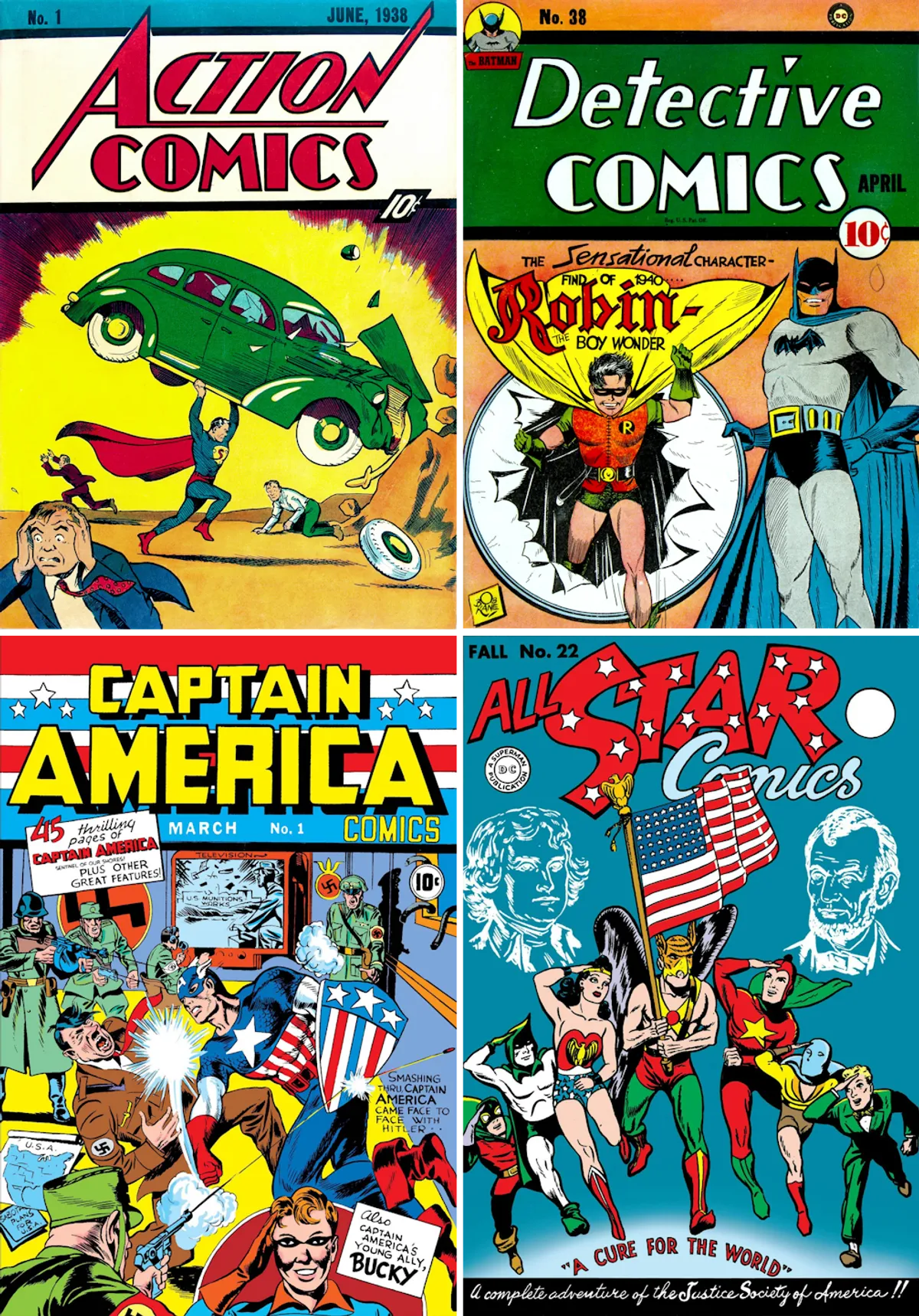
The Golden Age of Comics is where everything begins. If you love comics in any form, whether you are into massive crossover events, obscure indie gems, or the latest cinematic universe release, you are living in a world built on top of the wild and wonderful era that took place from the late thirties to the early fifties. It was a time when nothing felt carved in stone and nothing followed a tidy rulebook. Writers and artists were inventing things on the spot, experimenting with ideas that felt larger than life, and shaping cultural icons long before anyone realized they were creating a modern mythology.
When comic book fans talk about the history of the medium, this is the period we whisper about with excitement. It is the moment the spark of our fandom truly caught fire.
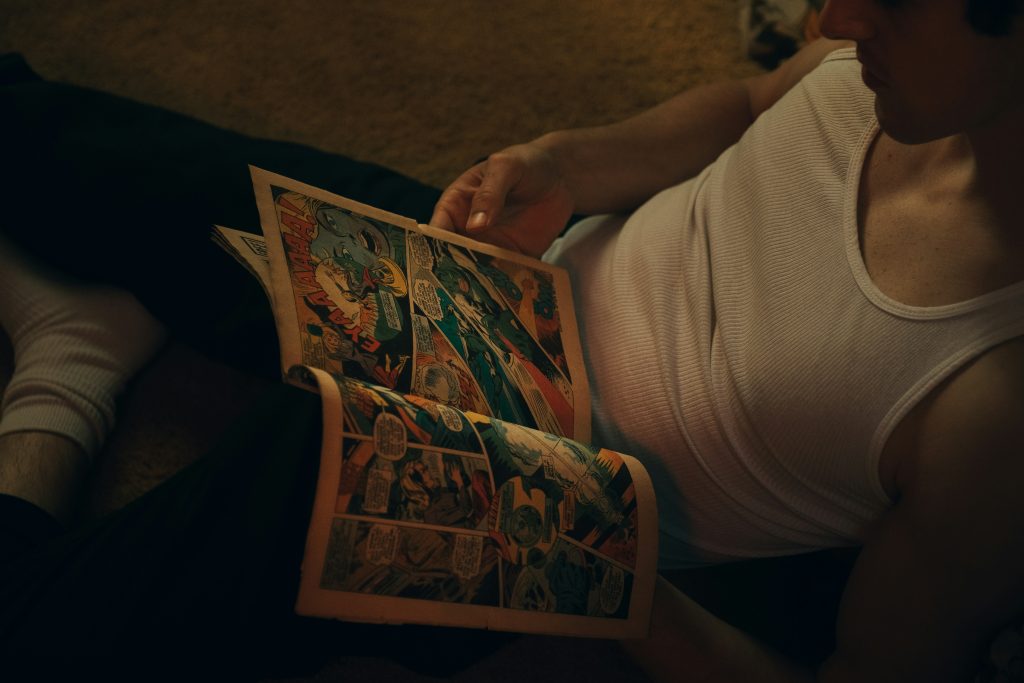
How It All Began: Superman and the Birth of Heroes
To understand why the Golden Age of Comics still feels legendary, we have to step into the world that existed before superheroes became the dominant pop culture language. America was facing economic uncertainty, rising international tensions, and a growing appetite for cheap entertainment that could deliver pure escapism. Pulp magazines were popular, and newspapers were filled with comic strips that had built loyal readers.
Then came a release that changed everything forever. Action Comics issue one arrived and introduced Superman. Suddenly, everyone realized that comics could be much more than slapstick humor or pulp detective stories. They could be epic. They could be aspirational. They could be heroic in a way that grabbed the imagination of an entire generation.
Publishers immediately saw the potential. They scrambled to discover their own caped icon, which in turn created a creative boom. What followed was chaotic, experimental, and full of a kind of raw energy that modern fans admire. The Golden Age of Comics was not a planned era. It was a lightning strike.
Meet the Heroes Who Defined the Era
Superman: The First Icon
Clark Kent was different from the protagonists audiences had seen before. He was not just strong. He embodied hope, justice, and an almost mythic sense of reassurance during stressful times.
Batman: The Dark Detective
Batman lurked in alleys filled with noir moodiness and pulp grit. He provided a perfect contrast to Superman, creating two poles of superhero storytelling that still dominate the genre today.
Wonder Woman: A Hero Ahead of Her Time
Her stories embraced themes of empowerment, compassion, and equality long before most entertainment media dared to move in that direction.
Captain America: Patriotism in Action
Captain America burst onto the stage with a punch that knocked Hitler right off a cover before the United States had even entered the war.
Other Notable Characters
The Flash, Green Lantern, Shazam, Plastic Man, the Human Torch, and Namor added texture and variety to the growing universe of heroes. Every new character represented a different style of storytelling, and fans today can trace their favorite modern heroes all the way back to ideas that first appeared during this period.
World War Two and the Rise of Patriotic Storylines
World War Two reshaped the Golden Age of Comics in a powerful way. Comics became morale boosters. They were inexpensive, easy to transport, and capable of delivering big emotional messages in small packages. Soldiers carried them. Children read them. Adults sneaked peeks at them even when pretending they were only for kids.
Patriotic storylines flourished, and comics quickly became tied to national identity. Heroes fought spies, saboteurs, and larger-than-life villains who symbolized real-world threats. The war made comics feel urgent, and the readership exploded. In a sense, the Golden Age of Comics became the pop culture soundtrack to the war years.
Genres Beyond Superheroes
Superheroes were not the only stars of the era. One of the most overlooked elements of the Golden Age is the range of genres that dominated shelves. Before the rise of the Comics Code, creators had the freedom to explore bold, unsettling, romantic, or humorous ideas without constraint.
Horror stories thrilled readers with eerie tension. Science fiction tales imagined strange worlds and advanced technology. Romance comics touched on drama and heartbreak with surprising sincerity. Westerns and crime stories grabbed readers who preferred grittier action.
Funny animal books entertained younger audiences with humor and charm. EC Comics pushed boundaries in ways that still influence horror storytelling today. Fans who explore Golden Age books often find that the most interesting stories are not capes and costumes but the genre experiments that expanded what comics could be.
The Fall: Moral Panic and the Comics Code
The fall of the Golden Age came swiftly and dramatically. A wave of moral panic swept across the United States. Critics claimed that comics were corrupting young readers. The loudest voice in this storm was Fredric Wertham, whose book insisted that comic books encouraged violence, rebellion, and delinquent behavior. His arguments gained national attention. The federal government held hearings. Parents panicked. Publishers feared the destruction of their industry.
To protect themselves, they created the Comics Code Authority, a strict set of rules that sterilized content and eliminated many of the genres that had flourished. Horror disappeared. Crime stories were declawed. Even superhero books were forced into a gentler, simpler form. The industry shrank dramatically, and many publishers closed their doors. The Golden Age came to an abrupt end.
Why the Golden Age Still Matters
For modern fans, the Golden Age of Comics still feels magical because it represents a time when nothing was predictable. Creators did not follow formulas because formulas had not been invented yet. They were making everything up as they went, and you can feel that raw energy in the pages.
Collectors still dream of finding a Golden Age issue tucked away somewhere. Artists and writers still reference ideas, aesthetics, and themes that were born in that era. Even the quirks and inconsistencies of Golden Age stories add to their charm. They are unpredictable, earnest, dramatic, and full of imagination. Every modern superhero trope begins there.
Essential Golden Age Comics to Read
For anyone who wants to explore the Golden Age with authenticity, there are several essential books worth seeking out.
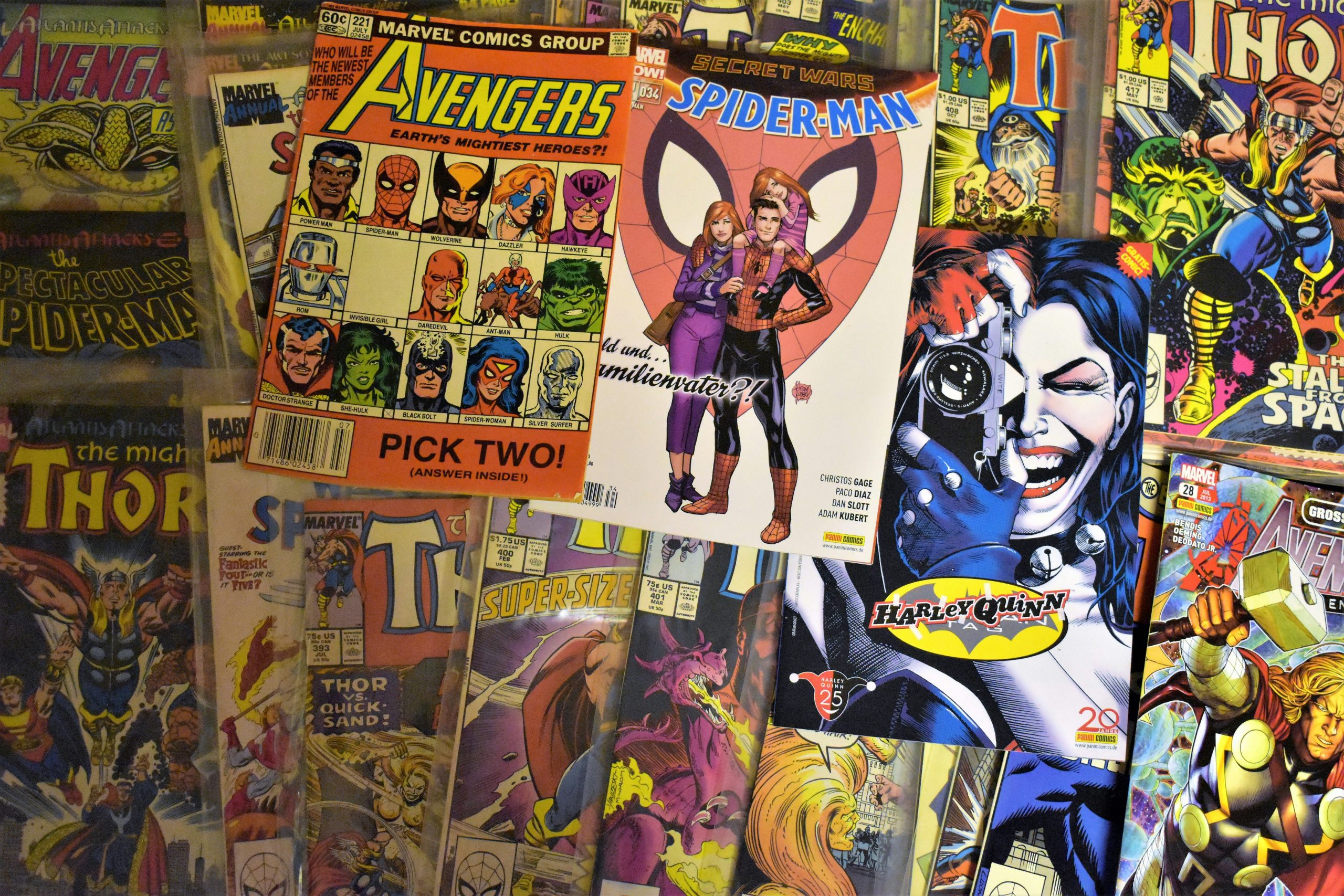
- Action Comics #1: The birth of Superman and modern superhero storytelling.
- Detective Comics #27: Batman’s first appearance with classic pulp atmosphere.
- Captain America Comics #1: Bold cover and spirited storytelling.
- Sensation Comics #1: Early Wonder Woman that still resonates today.
- All Star Comics #8: Introduction of iconic heroes inspiring generations.
- Tales from the Crypt: EC horror at its rawest and most thrilling.
Deep cuts from smaller publishers offer a treasure trove of strange and surprising stories for anyone willing to dig deeper.
Conclusion: The Golden Age Never Truly Ended
The Golden Age of Comics never truly ended. Fans keep it alive by reading, collecting, sharing, and celebrating the stories that built the foundation of everything we love about comic culture. The energy of that era can be felt in every modern comic book shop, every convention panel, and every lively debate between fans about which hero deserves the spotlight.
Loving the Golden Age is like loving the origin story of the entire medium. It is a way of connecting with the roots of our fandom and appreciating the creators who took risks before comics were taken seriously. The Golden Age is loud, strange, earnest, and endlessly imaginative. It shaped the stories we cherish today and continues to inspire the creators who are building the next great age of comic book storytelling.
FAQ
What years are considered the Golden Age of Comics
The Golden Age is generally defined as the late nineteen thirties through the early nineteen fifties. The era begins with the release of Action Comics issue one in nineteen thirty eight.
Why is it called the Golden Age
Fans and historians call it the Golden Age because it represents the birth of the superhero genre and the explosive growth of the comic book industry. The energy and creativity of the era set the foundation for everything that came after.
Which superhero started the Golden Age
Superman is the character who officially launched the Golden Age. His debut in Action Comics issue one changed the direction of the entire medium.
Were comics only about superheroes during this era
Not at all. Horror, romance, western, science fiction, crime, and humor genres were all popular. In fact, many readers in that era were more into non superhero content than caped heroes.
Why did the Golden Age end
The era ended because of moral panic and government pressure. Critics claimed comics were corrupting children which led to the Comics Code Authority. This strict set of rules forced publishers to shut down or dramatically tone down their content.










Related Posts
Stay Informed With the Latest & Most Important News
Previous Post
Next Post
Previous Post

Next Post








Advertisement